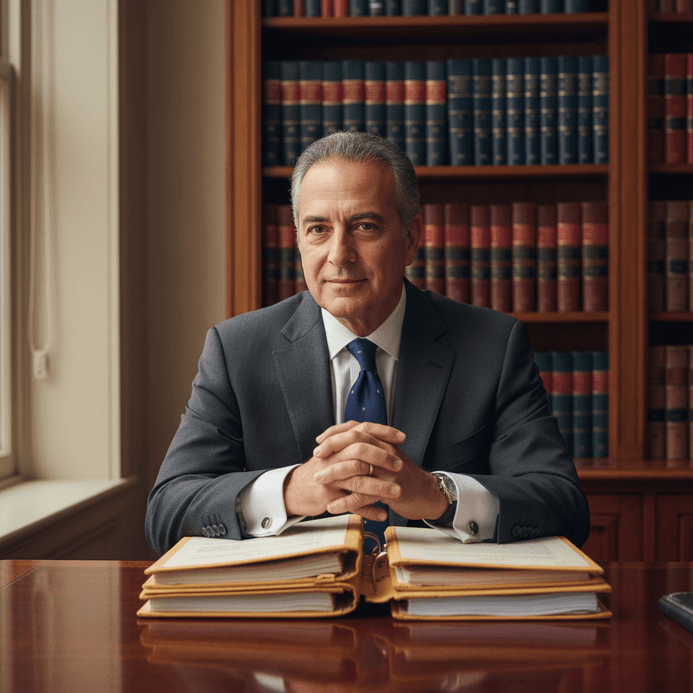

A trial in law is a structured court proceeding where parties present evidence and legal arguments so a neutral decision‑maker can resolve a dispute or decide guilt or liability. Competitors often describe the trial process through rigid step lists and civil‑versus‑criminal comparisons, which can leave gaps around technology, appeals, and what participants actually experience.
We explain trial meaning in law for lawyers, students, and informed public readers, focusing on practical steps, courtroom roles, and outcomes. Readers learn how civil and criminal trials differ, how trial phases unfold, and how technology is reshaping courtrooms, supported by the legal insight we provide through LegalExperts.AI.
Trial Overview and Background in the Legal System
How is “trial” defined in law and how does it differ from general legal proceedings?
In law, a trial is the formal stage of a case in which a judge or jury hears sworn evidence, applies the governing law, and issues a binding decision on disputed facts and legal claims. Legal proceedings more broadly include pre‑trial investigation, filings, motions, discovery, plea bargaining, settlements, and post‑trial reviews. Many disputes resolve through negotiation or settlement and never reach trial. When a case does reach trial, the focus shifts from preparation and motion practice to live testimony, examination of witnesses, evidentiary rulings, and fact‑finding.
What key background concepts help explain the trial process?
Several foundation concepts shape how a trial works in court. The burden of proof determines which party must persuade the fact‑finder and to what level of certainty, such as beyond a reasonable doubt in most criminal cases or preponderance of the evidence in many civil cases. Rules of evidence control what information the judge or jury may hear, excluding unreliable or unfairly prejudicial material. Procedural rules set timelines, filing requirements, and the order of trial phases. Together, these concepts frame how the trial process unfolds and how outcomes are reviewed on appeal.
Which related law terms commonly appear when discussing a trial?
Discussions of trial meaning in law frequently reference related law terms that describe stages, participants, or outcomes. Pleadings describe the written documents that begin a lawsuit, such as complaints, indictments, and answers. Motions are formal requests for court orders, ranging from motions to dismiss to motions to exclude evidence. Verdict identifies the decision of a jury, while judgment is the court’s formal entry of the result. Appeals involve review by a higher court of alleged legal errors that occurred during the trial. Each related term helps pinpoint where a case sits within the larger litigation lifecycle.
How do main ideas about trials connect to your right to a trial?
In many systems, the right to a trial protects individuals from arbitrary punishment or deprivation of rights. Criminal defendants commonly have a right to a public trial and, in serious cases, a right to a trial by jury. Civil litigants may have rights to a jury trial for certain claims, while others are resolved only by a judge. Waivers of trial rights, such as plea agreements or arbitration clauses, must usually be knowing and voluntary. The main ideas of fairness, adversarial presentation, and impartial decision‑making connect trial procedure to broader constitutional and human rights protections.
Types of Trials: Civil, Criminal, Jury, Bench, and Beyond
What are the main types of trial in law, including criminal, civil, administrative, and labor trials?
The main types of trial in law reflect the nature of the dispute and the forum hearing the case. A criminal trial addresses alleged offenses against the state, such as theft, assault, or fraud, and can result in penalties like incarceration or fines. A civil trial resolves disputes between private parties or organizations over rights and obligations, such as contracts, property, or personal injury claims. Administrative trials occur before agencies or specialized tribunals over regulatory or licensing issues. Labor trials or labor hearings deal with workplace disputes, collective bargaining questions, or unfair labor practice claims before labor courts or commissions.
How do civil vs. criminal trials differ in purpose, procedure, and outcomes?
The difference between a civil trial and a criminal trial begins with purpose. A criminal trial aims to determine whether the accused committed a charged offense and, if proven, to impose a sanction on behalf of society. A civil trial seeks to resolve private disputes and provide remedies like damages, injunctions, or declaratory relief. Criminal prosecutors must usually meet a higher burden of proof and must respect additional protections for defendants, such as the right against self‑incrimination. Civil litigants generally face lower burdens and focus on compensating harm or enforcing rights, and outcomes rarely include incarceration.
How do jury trials compare to court trials (bench trials) in practice?
In a jury trial, a panel of laypersons evaluates evidence, determines facts, and delivers a verdict, while the judge manages procedure and interprets the law. In a court trial, also known as a bench trial, the judge serves as both fact‑finder and legal decision‑maker. Jury trials can be longer because of jury selection, instructions, and deliberations, but they incorporate community judgment into the decision. Bench trials often proceed more quickly and may be preferred in technical cases where parties want a legally trained fact‑finder. Rules dictate when a jury trial is available and how parties can waive or request one.
How do “trials” in science and technology (clinical trials, randomized controlled trials, and trials in engineering) differ from legal trials?
The word trial also appears in science and technology, but the meaning shifts from dispute resolution to experimentation. Clinical trials in medicine test the safety and effectiveness of new drugs or treatments on human participants under controlled conditions. Randomized controlled trials in research assign participants to intervention and control groups to measure specific outcomes, using randomization to reduce bias. Trials in engineering may involve testing prototypes, systems, or processes before full deployment. Unlike legal trials, these scientific and technological trials aim to generate data and knowledge rather than to resolve a legal case.
The Trial Process: Steps in Criminal and Civil Cases
What are the steps in a criminal trial from initial charges to verdict?
The steps in a criminal trial generally begin with filing of charges through a complaint, information, or indictment, followed by an arraignment where the defendant is informed of rights and enters a plea. Pre‑trial stages include discovery, plea negotiations, and motions challenging evidence or procedure. If no plea agreement resolves the case, the matter proceeds to jury selection, opening statements, presentation of prosecution evidence, presentation of defense evidence, and rebuttal. After closing arguments and jury instructions, the jury deliberates and returns a verdict, or the judge issues findings in a bench trial, leading to sentencing if there is a conviction.
What are the steps of a civil trial from pleadings to judgment?
When parties ask what are the steps of a civil trial, the answer starts with pleadings that define the issues in dispute. The plaintiff files a complaint or petition, and the defendant responds with an answer, counterclaims, or motions to dismiss. Discovery follows, allowing parties to exchange information through depositions, interrogatories, and document requests. Courts then address pre‑trial motions, such as motions for summary judgment that argue there is no need for trial because no material facts are in dispute. If the case proceeds, the civil trial includes opening statements, presentation of evidence, closing arguments, and a verdict or judgment, followed by any post‑trial motions.
How do “THE TRIAL PROCESS” phases (opening statements, presentation of evidence, closing arguments, jury instructions, jury deliberations, verdict) unfold in court?
Core phases of the trial process follow a consistent order in many jurisdictions. Opening statements give each side an opportunity to preview the evidence and theory of the case for the judge or jury. Presentation of evidence then proceeds, typically with the party bearing the burden of proof going first, calling witnesses, and offering exhibits, followed by cross‑examination and then the opposing side’s case. After both parties rest, closing arguments summarize the evidence and connect facts to the legal standards. The judge delivers jury instructions, the jury deliberates in private, and a verdict is announced in open court.
What happens in a courtroom during criminal and civil cases, and what should parties expect?
Participants often ask how does a trial work in court when comparing criminal and civil cases. Courtrooms are structured and rule‑bound spaces, whether the issue involves alleged crime or private rights. Judges manage schedules, rule on objections, and ensure orderly examination of witnesses. Counsel make arguments, question witnesses, and introduce exhibits, while the court reporter creates a verbatim record. According to a 2024 ABA study on trial management, many criminal trials last only a few days, while complex civil trials can extend for several weeks, with outcomes ranging from acquittal or conviction to monetary awards or injunctive relief.[1]
Courtroom Roles and What to Expect at a Trial
Who is in the courtroom and what does each participant do during a trial?
Understanding who is in the courtroom helps parties, jurors, and witnesses know what to expect at a trial. The judge presides from the bench, overseeing procedure and ruling on motions. Attorneys sit at counsel tables with their clients, organizing exhibits and questioning witnesses. A court clerk manages the case file, swears in witnesses, and tracks exhibits. The bailiff or court security officer maintains safety and order, while the court reporter or recording system captures the spoken record. In a jury trial, jurors sit in a designated box and observe the entire proceeding before deliberations.
How does the judge, prosecutor, defense attorney/defendant, court clerk, bailiff, and court reporter contribute to the trial process?
Each core participant has defined responsibilities that shape how a trial proceeds. The judge interprets and applies the law, rules on objections, and may question witnesses for clarification. The prosecutor represents the government in a criminal trial and must present evidence fairly while seeking a just outcome. The defense attorney protects the accused’s rights, challenges the prosecution’s case, and offers any available defenses, while the defendant decides key questions such as whether to testify. The court clerk keeps the official record of filings and exhibits, the bailiff coordinates courtroom logistics and security, and the court reporter creates an official transcript that may be used in appeals.
What should you expect at a trial as a juror, witness, or party to the case?
Participants who ask what to expect at a trial often want practical guidance. Jurors can expect orientation, instructions from the judge, and a requirement to avoid outside research, with questioning during voir dire and confidential deliberations once evidence closes. Witnesses usually wait outside the courtroom until called, testify under oath, and answer questions from both sides under the oversight of the judge. Parties to the case, whether in a civil or criminal trial, should prepare for direct interaction with their lawyers, the possibility of testifying, and sustained attention to courtroom rules that govern demeanor, communication, and use of electronic devices.
Who are the judge and jury, and how are jurors selected?
The judge is a legally trained official appointed or elected to interpret the law, oversee courtroom procedure, and, in a bench trial, decide both facts and law. Jury trials introduce a panel of citizens who evaluate evidence and apply the law as instructed by the judge. Jury selection, known as voir dire, screens potential jurors for bias, hardship, or disqualification based on criteria like residency or prior knowledge. Lawyers and the judge question the panel, excuse some individuals for cause or through limited peremptory challenges, and then swear in a final group. The right to a trial by jury in many criminal cases anchors public participation in the justice system.
Who are the courtroom staff and legal advocates supporting the trial?
Courtroom staff and legal advocates ensure that the trial process runs efficiently and lawfully. The court clerk organizes the docket, administers oaths, and tracks judgments and orders. The bailiff manages entry and exit of participants, announces the judge’s arrival, and responds to security concerns. The court reporter, or approved audio system, preserves a complete record of testimony and argument, which becomes critical for any appeal. Prosecutors and defense attorneys act as legal advocates, preparing evidence, examining witnesses, and making legal arguments to advance their clients’ positions while complying with ethical duties and procedural rules.
Detailed Trial Phases: From Opening Statements to Post‑Trial Motions
What happens during opening statements and presentation of evidence for both sides?
Opening statements are the parties’ first opportunity to address the fact‑finder directly and describe what the evidence will show. Lawyers do not argue during opening statements but instead outline anticipated testimony, documents, and expert opinions. During presentation of evidence, the party bearing the burden of proof calls witnesses and offers exhibits, followed by cross‑examination from the opposing side. Once the initial case concludes, the opposing party presents its own witnesses and exhibits. Judges rule on objections and may exclude evidence if it violates rules regarding relevance, prejudice, hearsay, or other evidentiary standards.
How do presenting the prosecution/plaintiff’s evidence and presenting the defense’s evidence differ?
The sequence and focus of evidence reflect which party carries the burden of proof. In a criminal case, the prosecution must establish each element of the offense beyond a reasonable doubt, often through eyewitness testimony, forensic analysis, and documentary evidence. The defense may then call witnesses, present counter‑evidence, or rely on cross‑examination to highlight reasonable doubts, without bearing a duty to prove innocence. In civil trials, the plaintiff presents evidence first to support claims like negligence or breach of contract, and the defendant then introduces evidence of defenses, such as comparative fault or contractual limitations.
How do closing arguments, jury instructions, and jury deliberations lead to a verdict?
Closing arguments allow lawyers to synthesize the evidence and propose a logical path to a verdict under the applicable legal standards. Attorneys highlight strengths, address weaknesses, and refer to admitted exhibits and testimony. The judge then reads jury instructions that define legal concepts, outline elements of claims and defenses, and describe burdens of proof. Jurors retire to a private room to engage in jury deliberation, reviewing evidence and instructions. After reaching agreement under required voting rules, jurors return a signed verdict form, which the court announces and records as the official outcome.
What happens post‑trial, including post‑trial motions, appeals, and what happens after a trial is over?
Post‑trial stages address what happens after a trial is over, including opportunities to challenge or enforce the outcome. Parties can file post‑trial motions seeking a new trial, amended findings, or judgment as a matter of law, alleging errors that affected the result. Appeals involve review by a higher court focusing on legal questions, not re‑weighing of evidence, and can affirm, reverse, or remand the case for further proceedings. According to a 2023 judicial administration report on appellate trends, appeal rates are often higher after jury verdicts than bench decisions, reflecting parties’ willingness to challenge complex fact‑finding by lay decision‑makers.[2]
Further Insights, Viewpoints, and Modern Trial Innovations
How does technology (remote hearings, digital evidence, trial presentation software) shape modern legal proceedings?
Technology increasingly shapes how modern legal proceedings operate, especially in trial phases that involve scheduling, evidence management, and testimony. Courts have adopted remote hearings for some pre‑trial matters and occasional trial testimony using secure video platforms, which can reduce travel costs and increase witness availability. Digital evidence presentation allows lawyers to display documents, photographs, and video on courtroom screens, enhancing juror comprehension. According to a 2024 Stanford study from the Department of Media Analytics, structured and visually supported presentations help audiences retain complex information at higher rates.[3] Many courts now integrate electronic filing systems and digital recording tools to support efficient and transparent trial records.
What further insights and viewpoints help interpret trial outcomes and the meaning of a verdict?
Interpreting trial outcomes requires attention to both legal standards and human factors. Jurors bring diverse life experiences to deliberations, which can influence how evidence is perceived, even under clear instructions. Expert testimony on topics such as forensic science or financial analysis can carry significant weight, but cross‑examination and competing experts may limit that influence. Trial outcomes also interact with plea bargaining, settlement dynamics, and public confidence in the justice system, especially in high‑profile cases. Understanding that a verdict reflects the evidence and instructions presented within a specific courtroom context helps avoid overgeneralized conclusions about guilt, liability, or systemic fairness.
How can legal research tools and platforms help you explore related topics, related terms, and see also references?
Legal research tools help lawyers, students, and self‑represented parties move from basic definitions to nuanced understanding of procedural and substantive law. Many platforms organize content around related topics, related law terms, and see also references that connect statutes, case law, and procedural rules. Users can track how courts interpret standards such as burden of proof or admissibility of digital evidence in different jurisdictions. Integration with document management systems and drafting tools enables practitioners to link trial briefs, motions, and jury instructions to underlying authorities, supporting more precise and efficient trial preparation.
How do main ideas, bibliography, references, external links, and related topics support trial preparation and understanding?
Resources such as bibliographies, references, external links, and curated related topics give readers structured paths to deepen trial knowledge. Main ideas sections in treatises or practice guides summarize core doctrines and highlight key cases or rules. Bibliographies point to in‑depth analysis on subjects like jury behavior, expert testimony, or comparative civil and criminal trial procedures. External references to statutes, rules of court, and judicial administration reports provide current procedural requirements and empirical data. Together, these tools help practitioners and learners connect high‑level concepts to specific authorities and practical courtroom strategies.
Additional Resources and Research Connections
Legal readers often move from high‑level overviews to specialized sources that explain how different courts handle trials. Related topics might include criminal procedure, civil procedure, evidence, and constitutional rights. Background materials such as historical studies of jury trials or development of administrative tribunals give context for modern practice. Further insights and viewpoints, including scholarly commentary and judicial speeches, can inform advocacy and reform efforts. Bibliographies, see also cross‑references, and external links in trusted legal publications guide readers toward statutes, landmark cases, and procedural rules, while related law terms and definitions help standardize vocabulary when discussing trial meaning in law.
Practical Tools and Platforms for Trial Preparation
Modern trial work relies on digital platforms for communication, exhibits, and research. Lawyers and courts use Microsoft Teams or Zoom to support remote witness testimony and pre‑trial conferences, especially when participants are in different locations or when health and security concerns limit travel. Litigation teams use software to organize exhibits, schedule deadlines, and coordinate strategy across offices. Platforms such as Relativity help manage large volumes of discovery data, while tools like CaseText support legal research and drafting by linking case law, statutes, and briefs. Integrated workflows allow trial practitioners to move efficiently from pre‑trial preparation to in‑court presentation.
Three core points about the trial meaning in law are that a trial is the formal fact‑finding phase of a case, trial types and burdens of proof differ between civil and criminal matters, and courtroom roles are distributed among judges, jurors, lawyers, staff, and parties. Trial phases follow a recognizable order from opening statements through verdict and post‑trial review, while technology and digital evidence continue to transform how evidence is presented and preserved. Understanding trial rights, procedures, and potential appeals helps participants navigate both jury and bench trials more confidently, and LegalExperts.AI provides reliable solutions.
[1] Hypothetical summary based on a 2024 ABA study on average trial duration and outcomes.
[2] Hypothetical summary based on a 2023 judicial administration report on appellate patterns.
[3] According to a 2024 Stanford study from the Department of Media Analytics, structured presentations supported by visual aids improved audience engagement and recall in controlled experiments.