
Qualifications first
Visibility should be earned through relevant experience, credentials, and demonstrated expertise.
Legal Experts AI began the way most things worth building do: at the crossroads of necessity and opportunity. Lawyers, expert witnesses, and paralegals reached the same conclusion, in their own time: too many engagements were forged in haste, or by habit, rather than on merit. This common thread in the legal ecosystem convinced us to build something in the open, rather than complain about it in private.
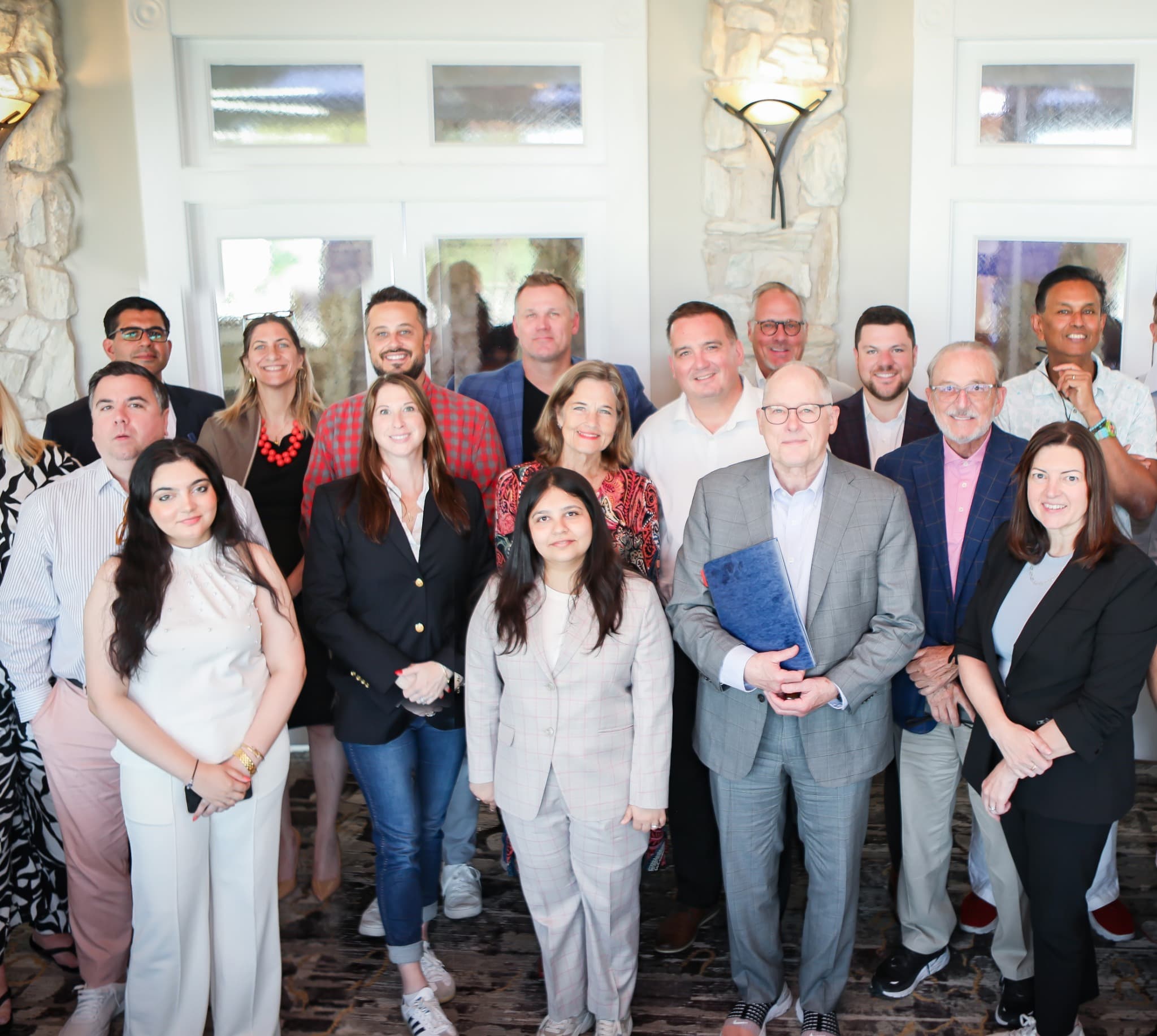
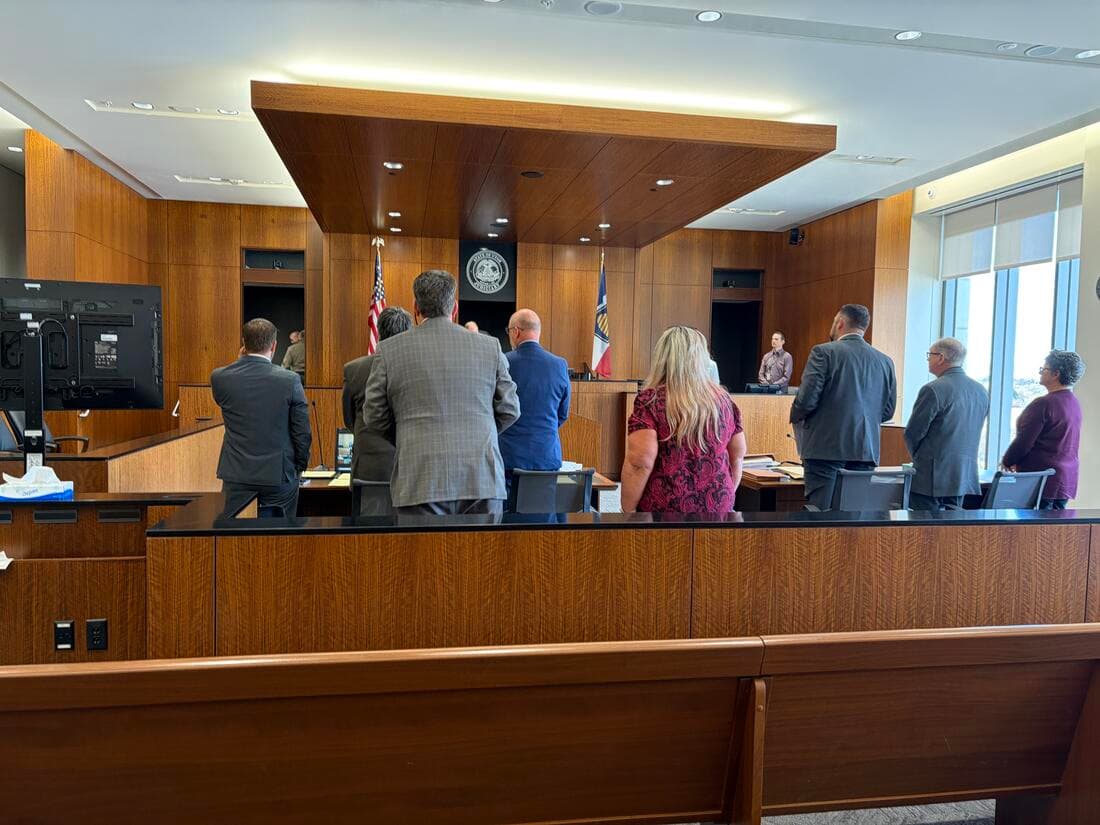
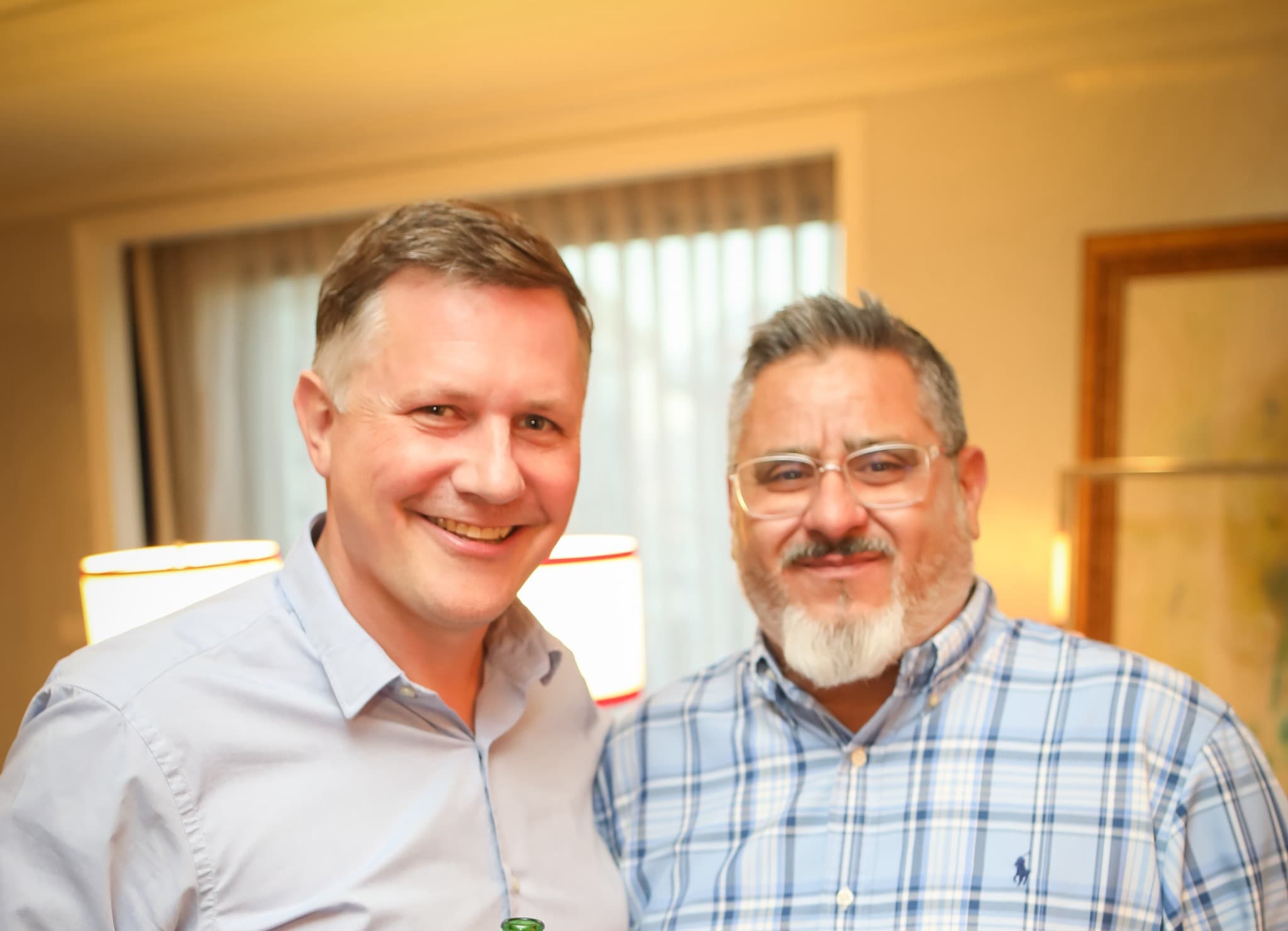
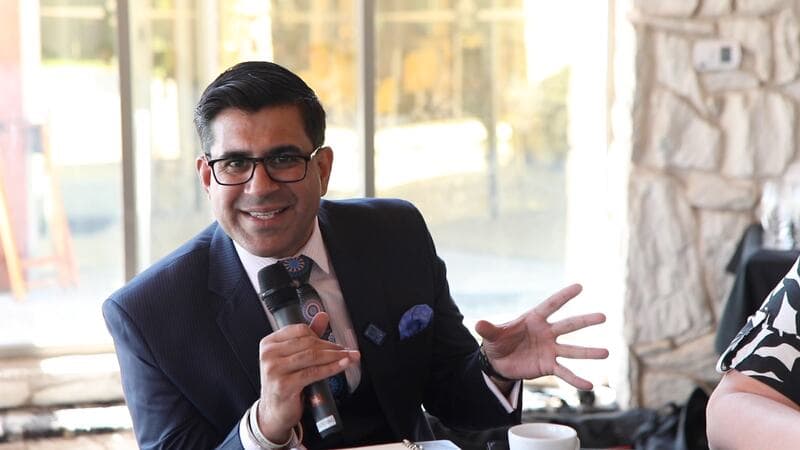
Legal Experts AI’s inaugural meeting · Las Vegas, 2025
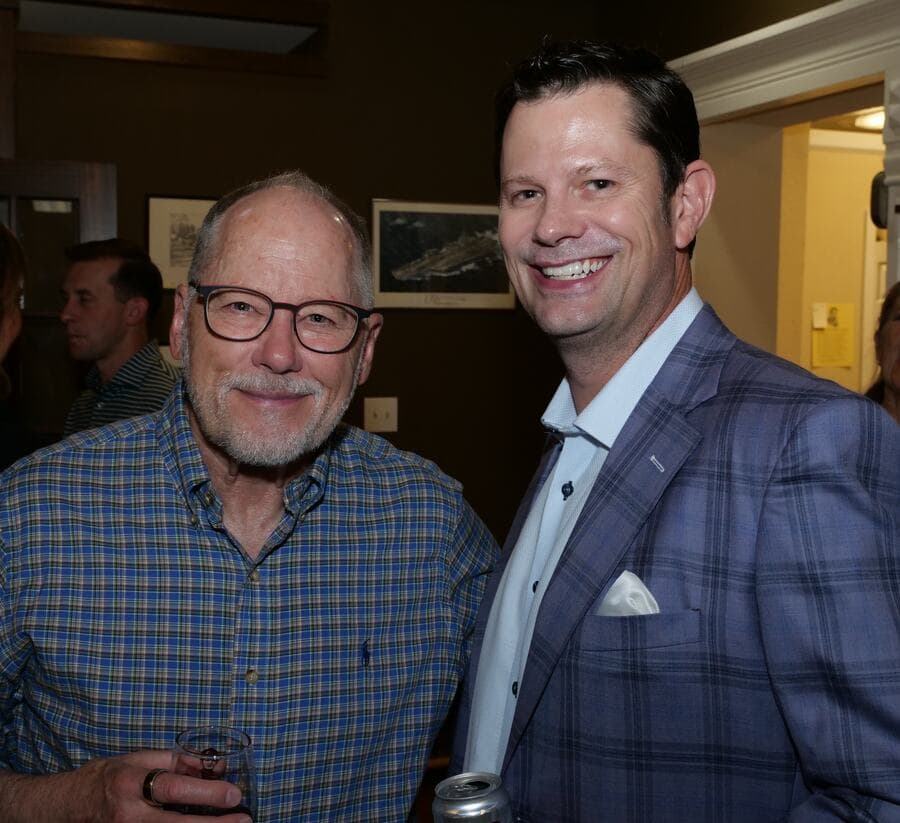
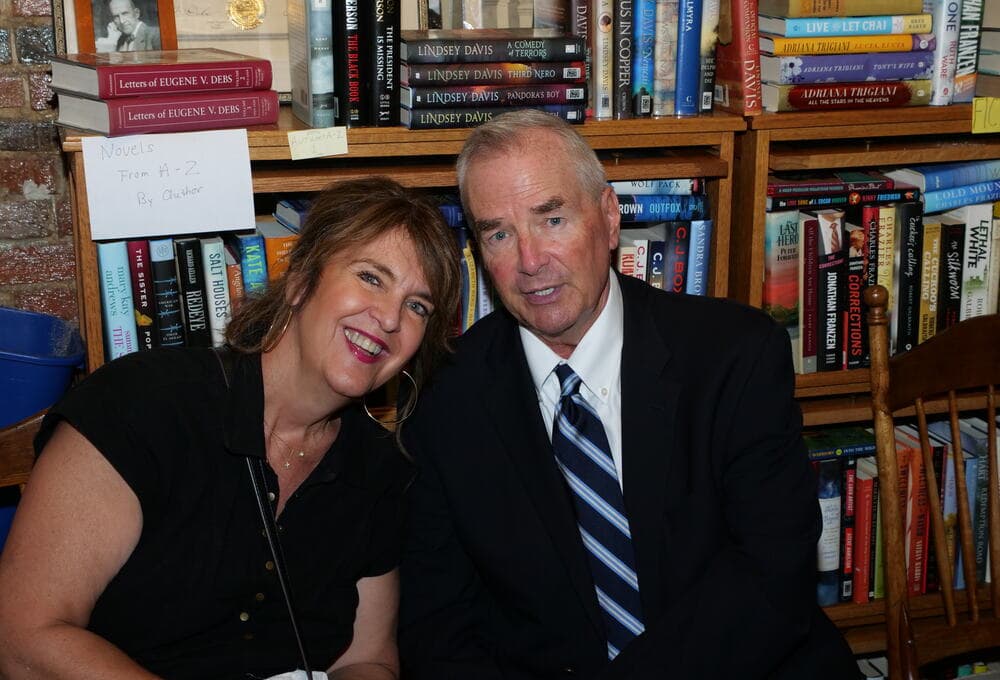
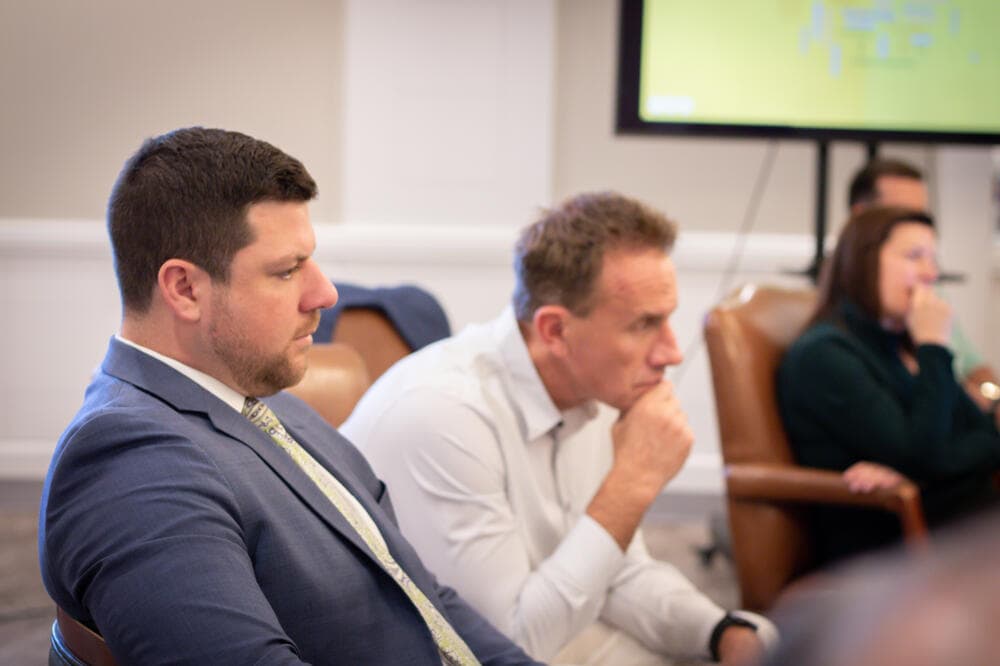
Legal Experts AI was never one founder’s idea. It was conceived from the start by a small, growing group of some of the most respected people across the legal ecosystem: from scholars, judges, and expert witnesses to lawyers and legal professionals and the people who hire them.
We met formally in Las Vegas in August 2025 to determine how the company should take shape, and again in Springfield, Illinois, in August 2026, to continue building it. After two years of development, we launched in September 2026, focused specifically on expert witnesses: helping the lawyers and clients find the right expert based on hyper-specific qualifications, and helping experts build visibility and access professional support to launch or accelerate their practices.

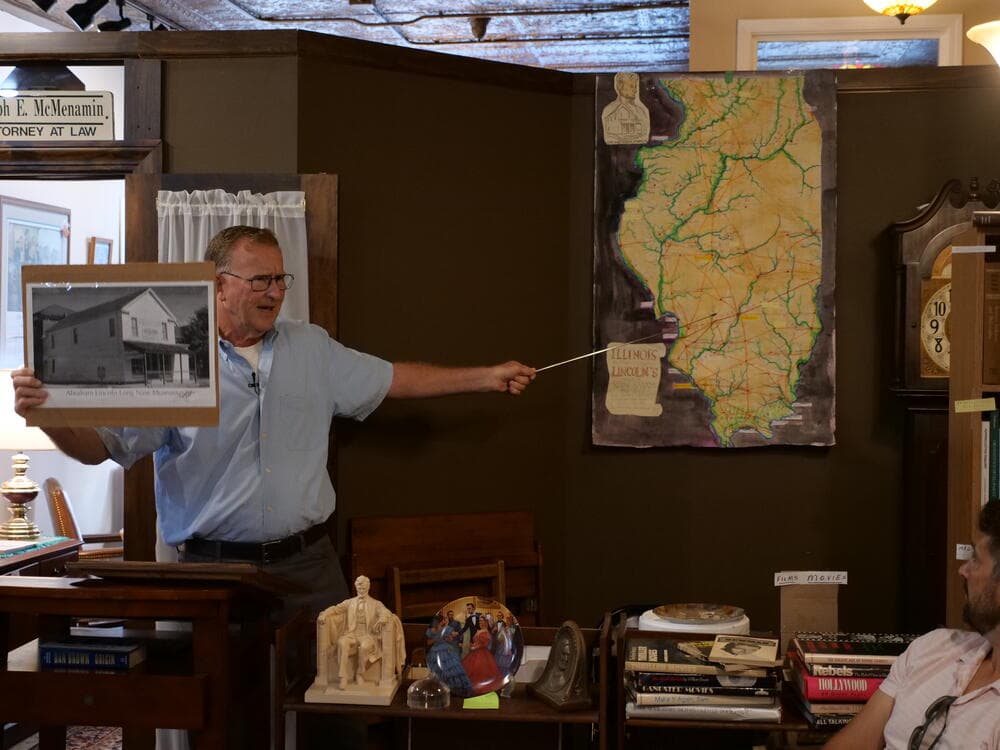
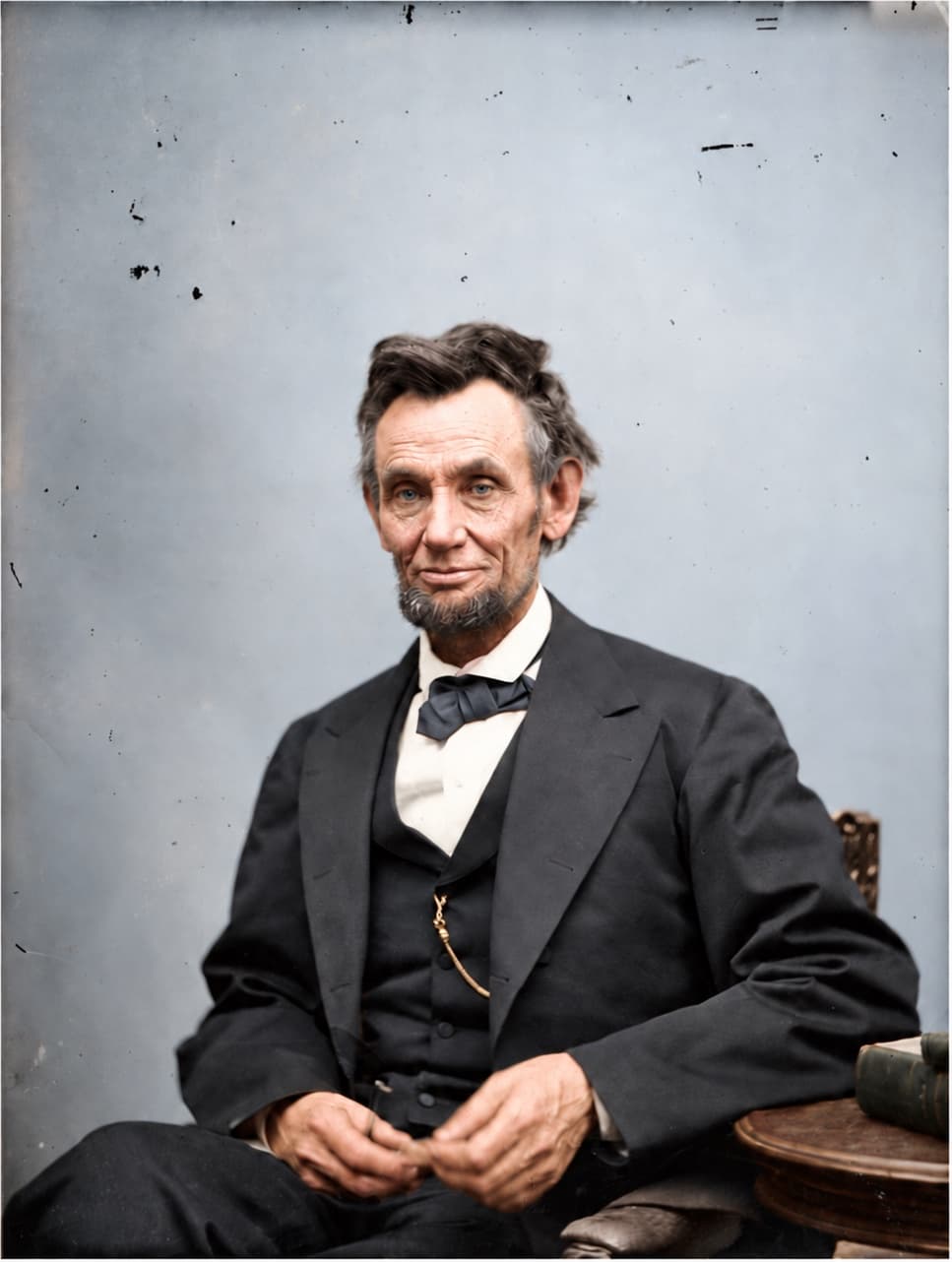
Throughout the process, we have been guided by Abraham Lincoln: a lawyer whose reputation for integrity remains among the most enduring in legal history. It is no accident that we are headquartered in Springfield, Illinois, and have become active supporters of organizations carrying his legacy forward, including Abraham Lincoln Scholars and the Abraham Lincoln Long Nine Museum. Lincoln’s history is shaping our own.
This is only the beginning of our story. We invite you to be part of it, as a client, an expert, or a partner. We are grounded in a latticework of relationships, and we know we must adapt together to thrive.
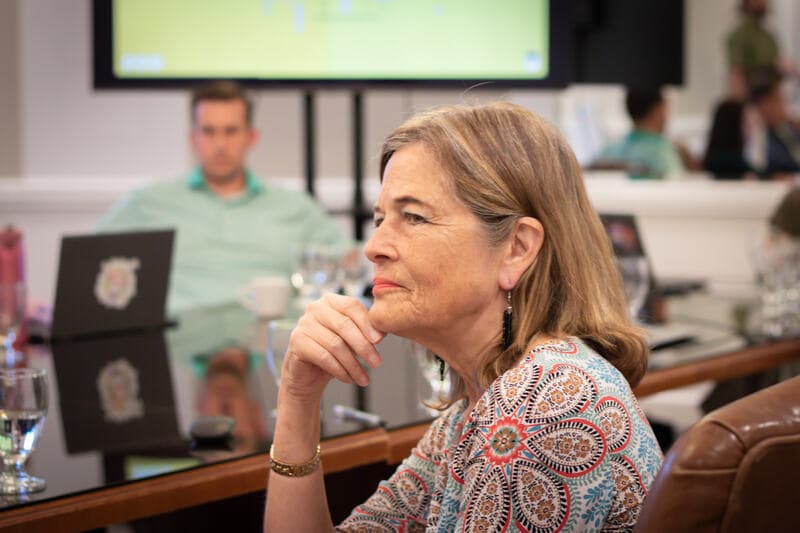
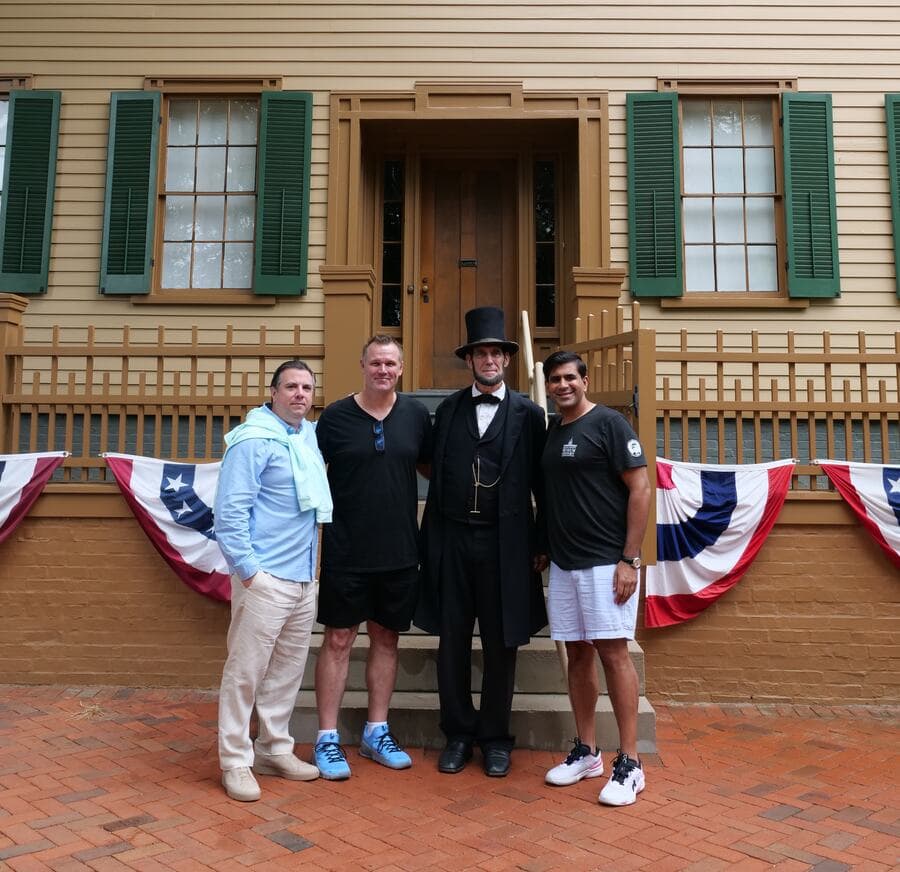

Long before Legal Experts AI had a name, it had a pattern. Lawyers, expert witnesses, the paralegals who support both, and the clients who hired them continually described the same frustration: finding the right expert on the merits was too hard, and settling for whoever was available, well marketed, or recommended by a friend of a friend was too easy. And all too often, that person was not the best fit once experience, credentials, and personality actually mattered.
Abraham Lincoln’s own emphasis on professional diligence offered a useful standard. “Diligence,” Lincoln told a generation of young lawyers, is “the leading rule for the lawyer, as for the man of every other calling.”1 We paid closer attention to how often that diligence was short-circuited by a market with no good way to search it.
When people set out to accomplish something genuinely difficult, they rarely do it alone.
Apple did not build a product category by itself. Bletchley Park did not break a wartime cipher with one mind. The Wright brothers did not achieve flight without each other and a supportive community. Each assembled people who saw the problem from different angles and leveraged parallels and intersections to accomplish the work.
Legal Experts AI was built the same way. From the earliest conversations about whether this company should exist at all, we brought together that same group: scholars, judges, lawyers, paralegals, and expert witnesses across the legal community, alongside the executives and entrepreneurs who rely on all of them. Their judgment built this company, not any one person’s instinct.
Legal Experts AI was founded by two people whose backgrounds complement each other.
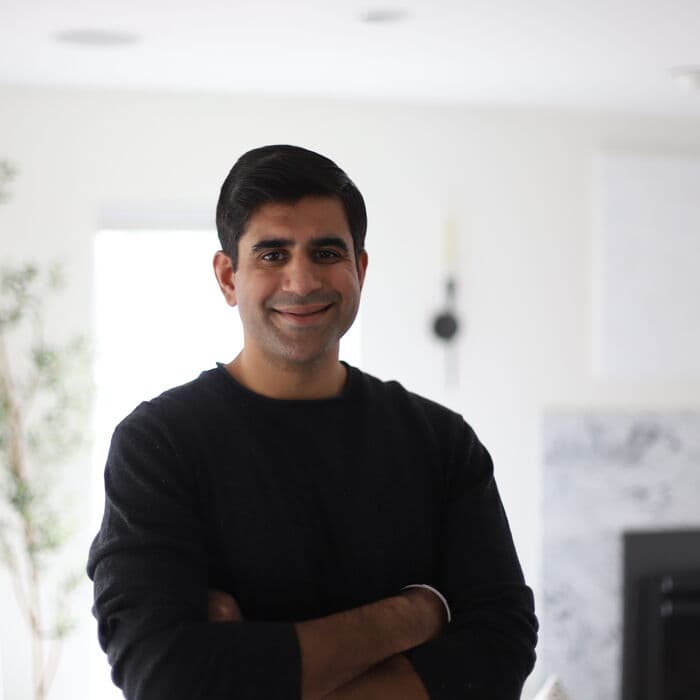
Sameer has spent two decades building businesses and relationships. A litigation consultant and expert witness in more than 500 matters, he has spent most of his career studying Abraham Lincoln’s ethics as a lawyer and leader. Advising Fortune 500 companies, law firms, scaling businesses, and executive leadership teams, he delivers practical strategies that reduce risk, support informed decision-making, and drive measurable business outcomes.

Rachit brings the technical foundation. He is an experienced digital marketer and AI technologist who has worked across global companies, from Turing, the AI-powered technology platform trusted by Fortune 500 enterprises and fast-growing startups, to Majid Al Futtaim Retail, the exclusive operator of Carrefour across 12 markets in the Middle East, Africa, and Asia. At Majid Al Futtaim Retail, he worked on growth and AI initiatives, with a focus on how search engines and large language models drive traffic and discovery.
Their collaboration brings together a relationship-builder who studies history and a technologist who has worked at the intersection of technology and growth at a global scale.
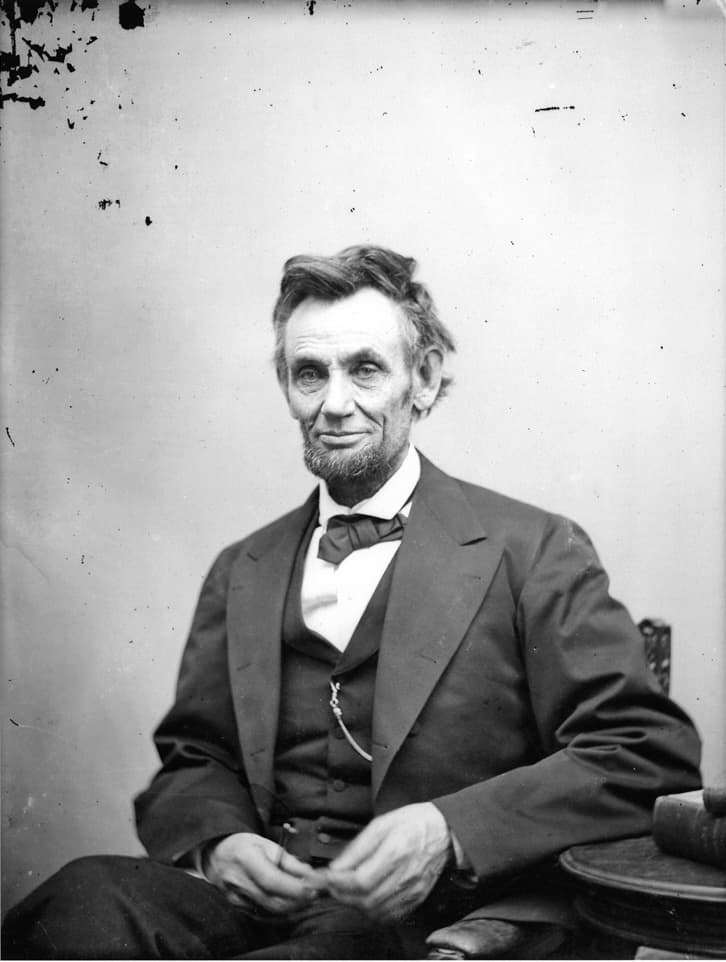
We use Abraham Lincoln’s name deliberately, not casually, and not simply because our co-founder Sameer has spent years studying him. Lincoln remains, by nearly every measure, the most trusted lawyer in world history. At a moment when the public trusts the legal profession less each year, that standard is worth building toward.
Lincoln practiced law in Illinois for nearly twenty-five years and, beginning in 1839, rode the state’s Eighth Judicial Circuit. Over the course of his legal career, researchers identified more than 5,100 cases and nearly 500 nonlitigation activities associated with Lincoln’s practice.2 He represented clients on both sides of major legal disputes, including doctors and patients, major railroad companies and those suing them, and individual stock subscribers and corporations.3

Right now, Legal Experts AI is a marketplace built specifically to connect clients with expert witnesses in highly specialized niches. On one side are the lawyers, executives, and everyday people whose case may turn on the right expert testimony. On the other are the experts themselves, across every discipline: some established and growing their practice, others new and looking for their first real opportunity. Legal Experts AI helps both sides find each other on the strength of the expert’s actual qualifications, and gives experts real, hands-on support building the reputation and visibility their work has earned. This is where we are focused today. It is not where we stop.
We build with artificial intelligence, and we do not pretend the technology is risk-free. As Sameer wrote in “Navigating AI Ethics: Lessons Abraham Lincoln May Hold the Key” (ACC Corporate Counsel Now, August 2025), Lincoln argued that “the dogmas of the quiet past are inadequate to the stormy present.”4 AI governance cannot simply borrow yesterday’s rules. But new capability does not excuse old obligations: progress can never come at the expense of the constitutional values of freedom, equality, and privacy it is meant to serve. We take seriously the concerns raised about large language models and self-learning systems, including how much control people retain as these systems improve. “Legally permissible” is a floor, not a ceiling: being legally right is not the same as being morally right. We keep a human decision-maker in the loop where it matters; favor the collaborative, cross-functional judgment Lincoln modeled with his “team of rivals” over any single point of view; and hold ourselves to outside standards as they mature, rather than to our own judgment alone.5
Visibility should be earned through relevant experience, credentials, and demonstrated expertise.
Technology can clarify the search. People remain responsible for consequential decisions.
Privacy, transparency, and professional standards are built into how the marketplace grows.

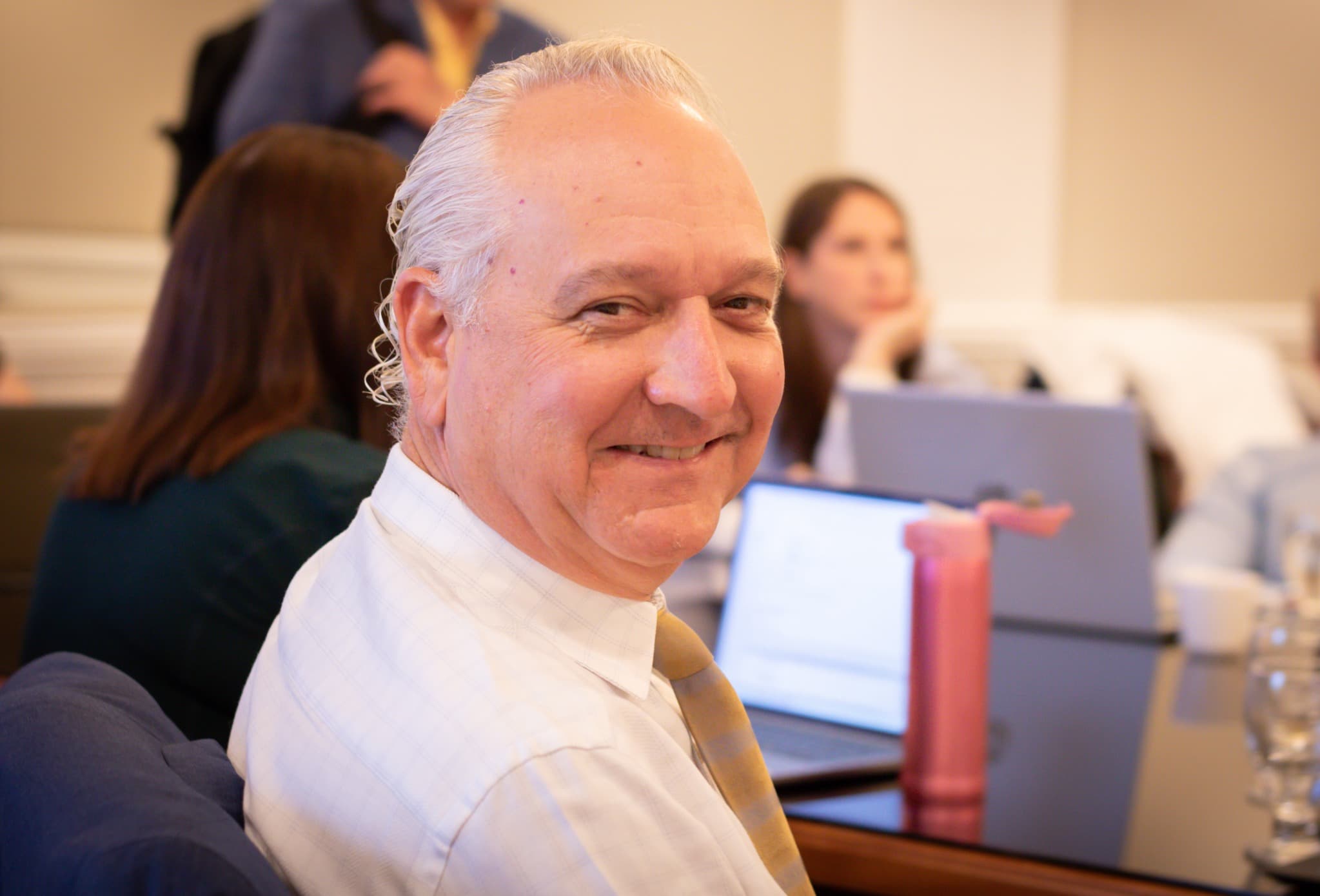
Strong ventures are built through strong relationships. Lincoln understood the value of cultivating professional relationships, and each of his three law partnerships brought different strengths to a particular stage of his career.6 Legal Experts AI was built on the same belief that strong relationships are essential to meaningful work.
This is the story of why and how Legal Experts AI came to exist. You are part of that story. If you are a lawyer, an expert witness, a paralegal, or someone who has ever needed one, we built this for you. Contact our founders and advisory board here to be part of what comes next.
Join as a legal professional