
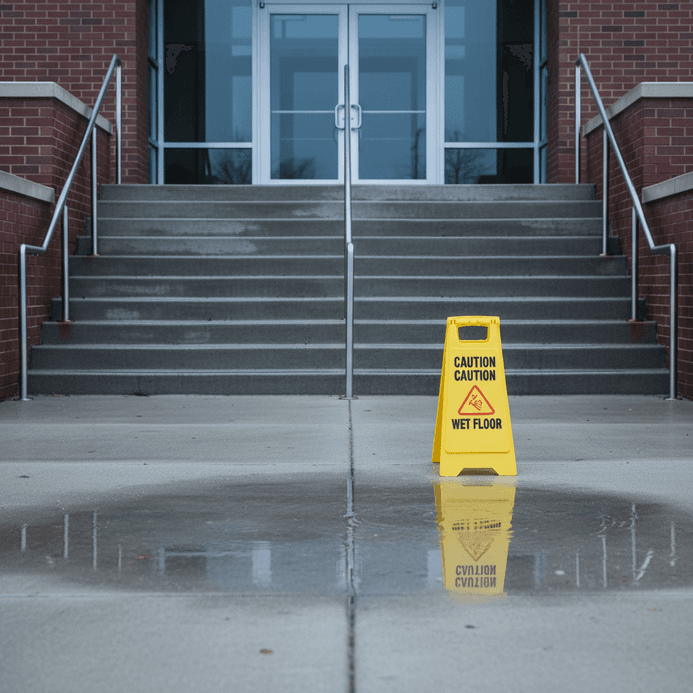
Premises liability law governs when a property owner or occupier must pay for injuries caused by unsafe conditions, and competitors often focus on lists of case types to quietly drive potential clients toward a decision. That pattern can leave injured people with definitions and examples, but little guidance on what a premises liability attorney actually does to protect legal rights in Kansas.
This article explains how Kansas premises liability attorneys evaluate cases, deal with insurance companies, prove negligence, and pursue fair results, while highlighting deadlines, damages, and local legal strategy. Readers will learn what to do after a premises injury, when to contact a premises liability law firm, and how LegalExperts.AI connects injured people with the right legal professionals. LegalExperts.AI.
Kansas Premises Liability Attorneys and Your Legal Options
What does a Kansas premises liability attorney actually do for you?
A Kansas premises liability attorney represents people hurt by unsafe premises and guides every legal step from the first consultation through settlement or trial. A Kansas premises liability lawyer evaluates whether a property owner, business, or landlord failed to use reasonable care and whether that failure caused the injury. Premises liability attorneys communicate with insurers, gather evidence, calculate damages, and advise on whether to accept a settlement or proceed with litigation.
Experienced premises liability lawyers in Kansas City or Wichita premises liability attorneys also understand local courts, judges, and common defense tactics. A lawyer tailors strategy to Kansas law on comparative fault, notice, and landowner duties, which can significantly affect case value and leverage in negotiations.
How a Kansas premises liability lawyer can help you navigate your claim
A Kansas premises liability lawyer can help you by turning a confusing event into a structured claim with deadlines, evidence, and clear goals. How a Kansas premises liability lawyer can help you often starts with reviewing medical records, photos, incident reports, and witness accounts to confirm whether premises liability applies. How attorneys can help extends to coordinating with medical experts, safety engineers, or accident reconstruction specialists when liability or causation is disputed.
A Kansas premises liability attorney also explains what to expect at each step: initial insurance notification, proof-of-loss submissions, recorded statements, depositions, mediation, and possible trial. That guidance prevents common mistakes such as giving broad medical authorizations or casual statements that insurers later use to dispute injury severity or blame the visitor.
Why you need a premises liability lawyer instead of handling it alone
Many injured people believe that a slip and fall or trip on unsafe premises will resolve quickly through an insurance claim, only to discover delays, low offers, or denial of responsibility. Why you need a premises liability lawyer is tied to how insurers operate: adjusters are trained to minimize payouts and often argue that injured visitors were careless, that hazards were obvious, or that conditions appeared too recently for the owner to know about them.
A premises injury lawyer understands how to counter those arguments with evidence of prior complaints, maintenance records, surveillance video, and expert analysis. A lawyer also values claims correctly by including future medical care, reduced earning capacity, and non-economic damages that many people underestimate. Without counsel, injured people risk missing critical deadlines, accepting inadequate settlements, or inadvertently making statements that harm their cases.
Why hire a dedicated premises liability law firm for serious injuries?
Serious injuries from dangerous property conditions—such as fractures, spinal cord trauma, or traumatic brain injury—often require months or years of treatment and time away from work. Hiring a dedicated premises liability law firm means working with a team that focuses on liability investigations, code compliance, and complex damages rather than treating premises claims as minor side matters.
A premises liability lawyer at a focused firm can coordinate expert inspections of stairways, parking lots, lighting, or flooring; preserve digital video recordings; and subpoena maintenance contractors and security vendors. A specialized premises liability law firm also understands how to negotiate structured settlements for long-term care and how to present complex medical and economic evidence to a jury. When injuries are life-changing, early firm involvement can preserve crucial evidence and protect access to full compensation, which is why many attorneys urge injured parties to get legal help today.
Premises Liability Law Explained and Who May Be Held Responsible
What is premises liability and how is it defined under Kansas law?
Premises liability is the body of law that holds landowners and occupiers responsible when unsafe property conditions cause injuries to lawful visitors. What is premises liability under Kansas law depends on whether the visitor was an invitee, licensee, or, in some situations, a trespasser, because the duty of care can differ depending on that status. Kansas premises liability law explained in court decisions emphasizes that owners must use reasonable care to keep premises reasonably safe and to warn of known hazards that visitors are unlikely to discover.
Courts look at whether the owner created the dangerous condition, knew about it and failed to fix it, or should have known about it through reasonable inspections. What is premises liability also includes claims where third-party criminal acts are foreseeable and the property owner failed to provide basic protection, such as adequate lighting or locks.
Who may be held responsible for a premises injury or unsafe premises?
Responsibility for a premises injury can rest with more than one party. Who may be held responsible includes the property owner, the business that leases the space, a management company, or a maintenance contractor. Who is liable for a premises injury depends on which party controlled the area where the accident happened and which party had the duty to repair or warn about hazards.
Unsafe premises claims may also involve builders or designers if structural defects contributed to an accident, such as inadequate handrails or non-compliant stair dimensions. In some cases, multiple defendants share responsibility under Kansas comparative fault principles, and the court or settlement negotiations allocate percentages of fault among the parties. Understanding who is liable requires close review of leases, service contracts, and property records.
How is establishing liability different from proving fault in court?
Establishing liability in a premises claim often starts with identifying who owed a duty and which party controlled the property, while proving fault in court goes further by persuading a judge or jury that the defendant actually breached that duty and caused the injury. Establishing liability can occur in negotiations when insurers accept that a business is the correct defendant but still argue that no breach occurred or that the visitor bears most of the responsibility.
Proving fault requires admissible evidence, credible witnesses, and expert testimony that show what a reasonably careful property owner would have done and how the defendant fell short. Kansas law compares the negligence of all parties, and a jury assigns percentages of fault, which directly affects the amount of damages the injured person can recover. A premises liability attorney prepares for that comparison from the beginning of the claim.
How does negligent security, inadequate maintenance, and hazardous property conditions create dangerous property conditions?
Negligent security cases arise when a property owner fails to take reasonable steps to prevent foreseeable criminal acts, such as assault or robbery in a poorly lit parking lot or apartment complex with broken locks. Inadequate security or insufficient security can include missing cameras, lack of trained security staff, or ignoring prior incidents on the property. Courts analyze whether similar crimes occurred nearby and whether basic safety measures would have reduced the risk.
Inadequate maintenance and hazardous property conditions can also support premises liability when landowners allow broken stairs, uneven flooring, leaking roofs, or deteriorated handrails to persist. Dangerous conditions such as spills on grocery store floors, loose carpeting in office buildings, or icy sidewalks at apartment complexes often stem from poor inspection routines or ignored work orders. When such dangerous property conditions cause foreseeable injuries, Kansas premises liability law allows injured visitors to seek compensation from the parties responsible for upkeep.
Common Types of Premises Liability Cases and Accidents
What are the common types of premises liability claims in Kansas?
Common types of premises liability claims in Kansas range from everyday incidents in stores to severe injuries at apartments, hotels, or industrial sites. Common types of premises liability cases often include slip and fall accidents in grocery stores, restaurants, and big-box retailers where spills or debris remain on the floor. Types of premises liability claims also include trip-and-fall incidents on broken sidewalks, poorly maintained parking lots, or defective stairways.
Types of premises liability cases in Kansas extend to negligent security at apartment complexes, bars, or hotels; falling merchandise in retail warehouses; dangerous playground or recreational equipment; elevator and escalator malfunctions; and fires or carbon monoxide exposure tied to improper maintenance. Common types of premises liability accidents involve many settings, so types of claims our firm handles may cover both commercial and residential locations, with liability depending on control and notice of the hazard.
How do slip and fall accidents and slip & fall injuries commonly occur?
Slip and fall accidents are among the most frequent common accidents resulting in premises liability claims, and small details often determine whether a claim is successful. Slip and fall injuries commonly occur because of wet floors, spilled liquids, tracked-in rain or snow, or recently mopped surfaces without warning signs. Slip & fall accidents also arise from loose tiles, unsecured rugs, uneven concrete, or changes in elevation that are hard to see.
Slip and fall accidents in Kansas shopping centers, office buildings, and hospitals can cause fractures, torn ligaments, and head injuries, especially for older adults. Slip and falls sometimes result from poor lighting in stairwells or parking garages, where visitors cannot see hazards in time to avoid them. A premises liability attorney investigates inspection logs, surveillance video, and employee testimony to determine whether the property owner allowed the dangerous condition to persist long enough that a reasonably careful owner would have discovered and fixed it.
When do dog bites, dog attacks, and swimming pool accidents become premises liability cases?
Dog bites and dog attacks can become premises liability cases when a property owner, landlord, or tenant fails to restrain a dog that poses a known risk on the premises. Kansas law considers whether the person in control of the property knew or should have known that the animal was dangerous, whether there were prior attacks or complaints, and whether reasonable steps such as fencing, leashes, or warning signs were used. Landlords may share responsibility if lease terms and prior knowledge show that dangerous animals were allowed to remain on the property.
Swimming pool accidents can also lead to premises liability when owners fail to provide proper fencing, self-latching gates, or supervision policies, especially where children are present. Inadequate lighting, broken ladders, slippery surfaces, and missing depth markings can increase the risk of drowning or serious injuries. Premises liability law looks at building codes, safety regulations, and industry standards for pools to determine whether property owners met their obligations.
What other unsafe premises and dangerous property conditions can lead to claims?
Many other unsafe premises situations can support claims beyond slips, trips, dog bites, and pool incidents. Dangerous property conditions can include falling objects from high shelves, collapsing balconies or decks, faulty railings, elevator misleveling, and exposure to hazardous substances such as mold or cleaning chemicals. Fire hazards from blocked exits, disabled smoke alarms, or overloaded electrical systems can also fall under premises liability when owners ignore clear warning signs.
Residential and commercial landlords who neglect building code violations, ignore complaints about broken locks or lighting, or allow ice and snow to accumulate without treatment may face claims for injuries that result. Each unsafe premises case turns on what the owner knew or should have known, how long dangerous conditions lasted, and whether simple steps could have prevented the harm. Kansas premises liability attorneys review city inspection records, maintenance files, and witness interviews to link these conditions to specific legal duties.
Proving Negligence, Insurance Claims, and Case Strategy
How do you prove negligence in a premises liability case under Kansas law?
To prove negligence in a premises liability case under Kansas law, a premises liability attorney must show duty, breach, causation, and damages. How to prove a premises liability case usually begins with establishing that the defendant owned, occupied, or controlled the property and therefore owed a duty to keep the premises reasonably safe for the visitor’s status. Proving negligence in premises liability then requires demonstrating that the defendant either created the hazard, knew about it and failed to correct it, or would have discovered the danger through reasonable inspections.
Proving your case also involves showing that the dangerous condition directly caused the injury and that the injured person suffered actual damages such as medical bills, lost wages, and pain and suffering. Proving negligence in a premises liability case in Kansas includes confronting comparative fault arguments, because defendants often claim that visitors were distracted, wore improper footwear, or ignored warning signs. A skilled premises liability attorney anticipates those defenses and prepares evidence to limit any fault assigned to the injured person.
What evidence helps establish liability and support your premises liability claim?
Evidence in premises liability cases often determines whether insurers accept responsibility or fight the claim through trial. According to a 2024 ABA study from the Section of Litigation on premises liability, cases with early preservation of surveillance footage, incident reports, and witness statements are significantly more likely to resolve in the claimant’s favor.[1] Photographs and videos of the accident scene, especially taken soon after the incident, can capture temporary conditions such as spills, ice, or debris that later disappear.
Medical records document injuries and link them to the incident date, while employment records show lost income and reduced work capacity. Maintenance logs, cleaning schedules, prior complaint records, and emails about known hazards can reveal that a property owner had notice of a dangerous condition but delayed repairs. Expert opinions from building code specialists, engineers, or security professionals often help juries understand why the condition was unreasonably risky.
How does the insurance claims process work in premises liability cases?
The insurance claims process in premises liability cases typically begins when a claim is reported to the property owner’s liability carrier, such as a homeowners, renters, or commercial general liability insurer. An adjuster investigates by reviewing incident reports, interview summaries, recorded statements, and medical records, while also inspecting the premises and consulting experts if needed. Insurers often request broad medical authorizations, so a premises liability attorney usually limits those to relevant records to protect privacy and prevent misinterpretation of prior conditions.
Modern law practices use platforms such as Clio or MyCase to organize claim documents, track deadlines, and coordinate communication with clients and experts. These systems allow attorneys to maintain a timeline of medical treatment, expenses, and lost wages, which supports negotiation with the insurer. After liability and damages are evaluated, the parties may exchange settlement demands and responses; if no agreement emerges, the attorney can file a lawsuit, pursue discovery, and continue negotiations up to trial.
How do statute of limitations and key deadlines affect Kansas premises liability cases?
Statutes of limitations set strict deadlines for filing premises liability lawsuits in Kansas, and missing a deadline usually bars recovery regardless of the claim’s strength. Kansas law generally imposes a two-year limitation period for personal injury claims, including many premises liability cases, measured from the date of injury, although exceptions can apply. Claims against government entities, such as city-owned buildings or public sidewalks, may require much shorter notice periods and special procedures.
Premises liability attorneys track additional deadlines such as preservation letters to property owners, requests for surveillance footage, and internal insurance deadlines for submitting proof-of-loss documentation. Prompt action allows attorneys to gather evidence before conditions change, witnesses move away, or video is overwritten. Early consultation with a Kansas premises liability attorney helps injured people understand which deadlines apply and how to protect their right to pursue compensation.
Injuries, Damages Recoverable, and Compensation Available
What compensation may be available after a premises liability accident?
What compensation may be available after a premises liability accident depends on the severity of injuries, the impact on work and daily life, and the degree of fault assigned to each party. Compensation available typically includes payment of past and future medical expenses, such as hospital stays, surgeries, physical therapy, rehabilitation, prescription medications, and assistive devices. What compensation can I recover also encompasses lost wages, loss of earning capacity, and costs related to household help or transportation when injuries limit mobility.
Non-economic compensation may include pain and suffering, emotional distress, inconvenience, and loss of enjoyment of life. In rare cases involving reckless or malicious conduct, Kansas law may allow punitive damages to deter similar conduct in the future, subject to statutory limits and judicial review. A premises liability attorney reviews all categories of harm to advise clients on what compensation is available for premises liability injuries in the specific case.
What damages can you recover and how are they calculated?
Damages in a premises liability case fall into economic and non-economic categories. What damages can you recover as economic damages includes medical bills, rehabilitation costs, future treatment estimates, lost income, diminished earning capacity, property damage, and out-of-pocket expenses. Damages recoverable as non-economic losses cover subjective harms such as pain, anxiety, sleep disruption, and loss of hobbies or social activities.
Damages available are calculated using medical expert opinions, life-care plans, vocational assessments, and economic projections. Attorneys often work with economists who discount future expenses and earnings to present value for settlement or trial presentations. The total recovery may be reduced by any percentage of fault assigned to the injured person under Kansas comparative fault rules, so careful documentation of how the accident occurred is critical.
How are injuries and compensation evaluated in Kansas premises liability cases?
In Kansas premises liability cases, injuries and compensation are evaluated by looking at medical diagnoses, treatment plans, prognosis, and functional limitations. Compensation for your injuries often correlates with objective findings such as imaging results, surgical reports, and documented neurological or orthopedic impairments. Chronic pain, scarring, and psychological trauma such as post-traumatic stress can also influence settlement value.
What compensation is available for premises liability injuries also depends on how the injuries affect daily living and employment. Courts and insurers consider whether an injured person can return to the same line of work, whether overtime or advancement opportunities are lost, and whether household duties or caregiving responsibilities must be outsourced. Kansas premises liability attorneys use treatment records, employer statements, and testimony from friends or family to demonstrate the full impact.
How do courts and insurers value pain, suffering, and long-term losses?
Courts and insurers value pain, suffering, and long-term losses by weighing medical evidence, duration of symptoms, age and life expectancy of the injured person, and how daily activities have changed. According to a 2023 insurance industry report on premises liability outcomes, settlements and verdicts tend to be higher when injuries produce permanent mobility limitations or require invasive surgery and long rehabilitation.[2] Insurers also review comparable verdicts and settlements in the same jurisdiction to benchmark offers.
Attorneys present detailed narratives supported by medical and vocational evidence to show how ongoing pain, sleep disruption, anxiety, or fear of falling affects each client. Future losses, such as reduced retirement savings, lost earning capacity, and ongoing therapy costs, are projected by economic experts and life-care planners. The more clearly an attorney connects these long-term losses to documented injuries, the stronger the argument for fair compensation.
What To Do After a Premises Injury and How to Contact a Lawyer
What should I do after an accident or premises injury to protect my claim?
After a premises injury, immediate steps can strongly influence whether a claim succeeds. What should I do after an accident begins with seeking prompt medical care to assess injuries, document symptoms, and create a clear record linking the condition to the incident date. What to do after a premises injury also includes notifying the property owner or manager, asking for an incident report, and requesting a copy or at least noting who received the report.
If possible, injured people should photograph the dangerous condition from multiple angles, collect names and contact information for witnesses, and preserve any physical evidence such as torn clothing or damaged footwear. Understanding what to do after a premises liability accident includes avoiding detailed statements to insurers before speaking with counsel and refraining from social media posts that could be misinterpreted. A Kansas premises liability attorney can then evaluate the facts and advise on next steps.
How can a premises liability lawyer help me from the very first call?
From the first call, a premises liability attorney can reduce stress by explaining the process and identifying immediate risks to the claim. How a Kansas premises liability lawyer can help you early includes sending preservation letters to request that surveillance video, maintenance logs, and incident reports be saved. An attorney can also guide clients on where to direct medical bills, how to use health insurance, and what documentation to gather for lost wages.
When someone asks how can a premises liability lawyer help me, the answer often includes acting as a buffer between the injured person and aggressive insurance adjusters. Attorneys handle communications, negotiate temporary arrangements such as medical payment coverage where available, and create a strategy that considers both short-term financial pressure and long-term recovery. Early legal guidance helps avoid missteps that could later be framed as admissions or inconsistencies.
When should I contact our firm or team for legal help today?
Injured people should generally contact a premises liability attorney as soon as they suspect that unsafe premises contributed to harm, rather than waiting to see how recovery unfolds. Early contact allows the firm to gather evidence while the scene remains unchanged and witnesses are easier to locate. Delays can result in lost surveillance footage, repaired hazards that are no longer accurately documented, or fading memories from key witnesses.
When potential clients reach out to contact our firm, contact us, or contact our team, a premises liability attorney can provide a free consultation to assess whether Kansas law supports a claim. Many lawyers offer contingency fee arrangements, meaning legal fees are paid from a settlement or verdict rather than upfront. Call today or contact us for a free consultation to understand your options before dealing further with insurers.
Why choose a specific Kansas premises liability law firm to handle your case?
Selecting the right Kansas premises liability law firm can significantly influence investigation quality, settlement negotiations, and trial readiness. Many firms highlight strengths with phrases like why hire Hutton & Hutton, why choose Pistotnik Law, or why hire Brian & Brian at Pistotnik Law, which emphasize experience and results. Injured people should look beyond slogans and evaluate actual premises case experience, trial history, and willingness to take complex cases rather than accept quick low settlements.
An experienced premises injury lawyer understands Kansas statutes, local court tendencies, and common defenses in premises claims. Modern firms also offer secure digital portals using tools like Dropbox or Google Drive so clients can upload photos, medical records, and correspondence, keeping the file organized and accessible. LegalExperts.AI helps prospective clients compare firms and select counsel whose background matches the unique aspects of each premises liability case.
Key Premises Liability Topics and Local Case Outcomes
How does Kansas premises liability law explained in local cases affect your rights?
Kansas premises liability law explained in appellate and trial-level decisions shapes how lower courts instruct juries and how insurers value claims. Published opinions clarify when landlords owe duties for common areas, how much time owners must have to discover hazards, and how foreseeability of criminal acts influences negligent security cases. These decisions also define how comparative fault is applied when both a property owner and an injured person contributed to an incident.
Local case law therefore affects rights by refining what counts as reasonable inspection, adequate warning, or sufficient lighting or security. A Kansas premises liability attorney reviews relevant decisions to predict how judges may rule on key issues such as notice, open-and-obvious dangers, and admissibility of prior incidents. Understanding those precedents helps attorneys advise clients on likely outcomes and realistic settlement ranges.
How do comparative case outcomes and precedents shape premises liability settlements?
Comparative case outcomes and precedents give attorneys and insurers benchmarks for valuing claims with similar facts, injuries, and liability disputes. When a Kansas jury awards a particular sum for a slip and fall with a broken hip or a negligent security case with severe trauma, attorneys and adjusters use that data to frame expectations for new claims. According to a 2024 Stanford study from the Department of Media Analytics, legal content that organizes case outcomes by clear categories improves user understanding and supports more informed decision-making about dispute resolution options.[3]
By reviewing prior verdicts and settlements, attorneys see which arguments resonated with juries, how courts handled comparative fault, and how damages were itemized between medical costs, lost earnings, and pain and suffering. That knowledge informs negotiation strategies, including when to push for mediation, whether to suggest high-low agreements, and how aggressively to challenge defense medical experts. Comparative data does not guarantee results, but it offers a practical reference point for both sides.
How do “Unsafe Premises” and “Establishing Liability” appear in real-world Kansas verdicts?
Real-world Kansas verdicts involving unsafe premises often turn on whether the plaintiff can tie specific building code violations or industry standards to the hazardous condition. Establishing liability in verdicts commonly involves expert testimony about handrail heights, slip resistance of flooring, required lighting levels, or security measures in parking lots and multi-family housing. When juries hear that property owners ignored repeated complaints or prior accidents, they are more likely to find liability.
Verdicts also show how juries apply comparative fault when injured people were distracted, crossed barriers, or disregarded posted warnings. In many cases, damage awards are reduced but not eliminated, reflecting shared responsibility between owner and visitor. Kansas premises liability attorneys study these verdicts to refine how they present facts, choose experts, and address potential weaknesses before trial.
How can injured people use online legal platforms to research premises liability cases in 2025 and beyond?
Injured people who want to understand premises liability cases in more depth can use online legal platforms that provide access to statutes, regulations, and case law. Services such as Westlaw and LexisNexis allow attorneys to search Kansas premises decisions, but summaries and secondary sources based on those tools also inform the public about trends and common legal standards. Many firms and legal organizations share case digests and educational articles that draw on those databases.
Trends in online legal research tools through 2025 for premises liability litigators point toward more analytics, visual timelines, and AI-assisted case comparisons, which help lawyers predict likely outcomes and identify persuasive authorities faster. Clients benefit when attorneys harness these tools to support stronger motions, targeted discovery, and focused trial themes. LegalExperts.AI plays a role by helping connect injured people with legal professionals who use advanced research and case management platforms to pursue effective premises liability strategies.
Injured visitors on Kansas property may have claims when owners or occupiers fail to correct unsafe premises, warn about hazards, or provide basic security. Evidence such as photos, witness statements, medical records, and maintenance logs often determines whether insurers accept responsibility or dispute fault. Kansas law imposes strict filing deadlines and applies comparative fault rules that can reduce damages when responsibility is shared. Premises liability attorneys use modern tools and local precedent to value claims, negotiate with insurers, and prepare for trial where necessary. LegalExperts.AI provides reliable solutions.
[1] 2024 ABA Section of Litigation, Premises Liability Evidence and Outcomes Study.
[2] 2023 North American Property-Casualty Claims Consortium, Premises Liability Settlements and Verdicts Report.
[3] 2024 Stanford University, Department of Media Analytics, Legal Content Structure and User Engagement Study.