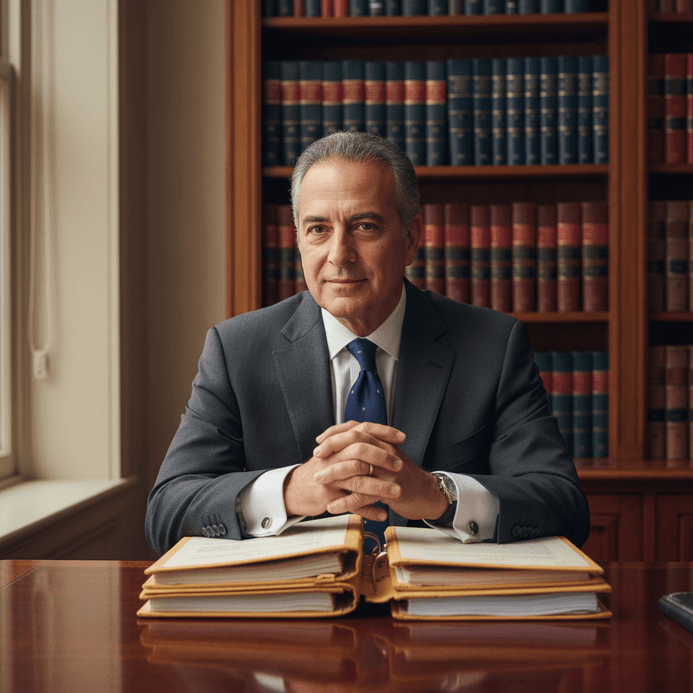

Personal injury lawyer commercials sit at the intersection of branding, clear messaging, and emotional trust. Competitors often rely on loud personalities, memorable slogans, and repeated TV exposure to stay top of mind and turn viewers into callers.
We explain what makes a great personal injury lawyer commercial, unpack famous examples, and outline practical steps to plan, script, and measure TV campaigns that attract qualified cases while staying ethical. As LegalExperts.AI, we connect law firms with marketing-savvy legal professionals and data-focused consultants who can help design, review, or optimize your next campaign LegalExperts.AI.
Personal Injury Lawyer Commercials and Why TV Still Matters
TV still carries unique authority for legal services, especially in high-stakes personal injury cases where viewers want reassurance and familiarity. When law firm commercials repeat a simple story and call to action, viewers begin to associate that firm with help after an accident.
Why are lawyer TV commercials still so common for injury firms?
Personal injury lawyer TV commercials reach audiences in contexts where viewers are relaxed, distracted, or dealing with background noise. TV still delivers broad reach to older and working-class demographics who may not actively search online but remember a phone number or slogan when an accident happens later.
Lawyer TV ads remain central to personal injury advertising because major injury cases are relatively rare events in a person’s life. Attorneys need mass, repeated exposure so that when someone is hurt in a car crash or workplace incident, one or two slogans immediately come to mind. Long-running Lawyer TV Commercials and The Advocates TV Commercials illustrate how sustained schedules, simple visuals, and client-focused language build that recall.
TV commercials for lawyers also carry limitations and advantages that differ from digital formats. TV offers powerful one-to-many credibility and audio-visual storytelling, but limited precise targeting and higher production and media costs. Digital ads can follow a user everywhere; TV builds brand presence that makes later digital clicks far more likely.
How do TV commercials compare with digital legal marketing performance?
When firms track performance accurately, personal injury TV spots usually generate high volumes of calls but at a higher cost per lead than tightly targeted pay-per-click or social campaigns. Many agencies report that TV response rates can vary widely by market, daypart, and creative, but that recognizable brands see a stronger conversion rate when viewers already know the name.
Compared with pay-per-click and social, TV often drives more branded search and direct visits rather than last-click conversions. Blended strategies, such as TV plus remarketing through Google Ads and Meta, often produce stronger overall ROI because TV introduces the brand, while digital channels recapture prospects who research law firm options later.
Tools such as Google Analytics, call-tracking platforms, and CRM systems allow law firms to attribute calls, form fills, and signed cases back to approximate TV time blocks. According to a 2023 Columbia Business School study on cross-channel attribution, advertisers who integrated call-tracking and web analytics into TV campaigns reported up to 25% more accurate ROI estimates than firms relying on media spend alone.
What makes personal injury lawyer commercials feel effective instead of “sleazy”?
Personal Injury Lawyer Commercials that work long-term avoid the caricature of the “ambulance chaser” by focusing on the client’s harm, the legal process, and realistic help rather than exaggeration. Tone matters as much as script: calm, direct messaging about medical bills, lost wages, and insurance negotiations tends to inspire confidence.
The PersonalInjury.com Sleazy Lawyers TV Spot, “Sleazy Lawyers” was produced as a critique of over-the-top attorney marketing and highlighted tactics that erode trust, such as yelling, unrealistic promises, and gimmicky props. That type of content serves as a reminder that sensationalism can alienate sophisticated viewers and even trigger complaints to bar authorities.
Regulations and bar rules in many jurisdictions restrict guarantees of results, dramatizations that mislead viewers, or claims such as “the best lawyer.” Ethical legal advertising goes beyond catchy slogans by including truthful case descriptions, clear contingency-fee explanations, required disclaimers, and respect for client dignity in visuals. Ads that emphasize service, accessibility, and actual legal expertise tend to feel effective rather than exploitative.
What Makes an Amazing Personal Injury Lawyer Commercial?
The most effective personal injury lawyer commercials look simple on the surface but rest on clear strategy, consistent attorney branding, and a focus on what an injured person needs to hear in stressful moments. Viewers should understand who the firm helps, what problem the firm solves, and what to do next within seconds.
What makes a great personal injury lawyer commercial in practical terms?
When firms ask what makes a great personal injury lawyer commercial, the practical answer comes down to clarity, credibility, and emotion. Clear language about injuries, insurance claims, and free consultations reduces confusion. Credibility comes from real attorneys on screen, straightforward disclosures, and an authentic office environment instead of generic stock footage.
Translating the question “What Makes An Amazing Personal Injury Lawyer Commercial?” into concrete creative choices means scripting a single core message, avoiding legal jargon, and repeating a direct call to action. Memorable slogans and strong attorney branding, such as a consistent outfit, backdrop, or tagline, usually outperform high-end visual effects or complicated plots.
Ethical rules require advertisers to avoid guarantees, unsubstantiated comparisons, or dramatizations that would mislead a reasonable viewer. Many bars still allow impactful storytelling, including reenactments or animations, as long as the ad includes clear disclaimers and avoids implying that every case will achieve similar results.
What elements define the best personal injury lawyer commercials that actually work?
The Best Personal Injury Lawyer Commercials and The Best Personal Injury Lawyer Commercials That Actually Work share measurable traits: strong phone recall, steady lead flow, and sustained use over years with only minor updates. Famous ads that get quoted but never drove many calls are less valuable than quieter campaigns that keep intake teams busy.
Top personal injury lawyer tv commercials typically pair a simple offer, such as “We’ll fight for you,” with a clear phone number and website on screen during most of the ad. A direct call to action—call now, text, or visit the site—removes friction for injured viewers who may be in pain or anxious about costs.
Social proof such as verdict ranges, testimonials, and case results can be powerful if handled carefully. Many jurisdictions require disclaimers that past results do not guarantee future outcomes and that every case is different. According to a 2024 ABA study on consumer trust in legal advertising, viewers reported higher trust when testimonials were accompanied by clear, readable disclaimers and when firms avoided superlatives such as “number one” or “top” without objective support.
Why do some attorney commercials become unforgettable local legends?
Some attorney commercials become local legends because repetition, character, and catchphrases work together across years or decades. Repeated exposure at consistent times and on the same channels trains viewers to associate a name or slogan with accidents almost automatically.
Ads that stand out usually feature a strong brand persona, such as a no-nonsense advocate, a compassionate guide, or a larger-than-life fighter. Visual hooks—like a specific prop, color scheme, or office landmark—help anchor the persona in memory. Emotional resonance comes from acknowledging pain and disruption while promising specific legal action.
Famous lawyer commercials often turn attorneys into regional icons because viewers grow up hearing the same jingle or tagline. Slogans like “One Call, That’s All!” or “The Texas Hammer” stick in viewers’ minds because they are short, rhythmic, and tied directly to a single desired behavior: making a phone call to the firm.
The Best Personal Injury Lawyer TV Commercials and Icons
A small group of personal injury lawyer tv commercials has become shorthand within the industry for the power of consistent message and persona. These campaigns demonstrate how a narrow but distinctive positioning can dominate a market.
Which are considered the best personal injury lawyer commercials ever?
The Best Personal Injury Lawyer Commercials Ever and The Best Personal Injury Lawyer TV Commercials are often defined by three metrics: unaided recall in surveys, total cases or revenue attributed to the campaign, and how long the core concept has run with minimal changes. The best campaigns tend to survive multiple production updates while preserving the same slogan and visual identity.
When brand awareness and case generation are both considered, the best personal injury lawyer commercials usually feature memorable taglines, attorney appearances, and clear contingency-fee messaging. The 10 Best Lawyer TV Commercials referenced in industry discussions share traits such as frequent scheduling, emotional clarity about what an injured person faces, and repeated visual exposure of the phone number.
According to a 2023 legal marketing survey from a Midwestern university research center, more than half of personal injury clients who remembered a specific TV lawyer by name reported that a recognizable slogan or jingle influenced their choice, even when competitors ranked higher in online search.
Who is Jim Adler “The Texas Hammer,” and why is he so famous?
Jim Adler, widely branded as “The Texas Hammer,” is a personal injury attorney whose commercials became famous for an aggressive persona and high-impact visuals. Viewers in his markets recognize him shouting slogans, appearing on industrial backdrops, and promising to fight hard against insurance companies.
The campaigns labeled 1. Jim Adler “The Texas Hammer” and 1. Jim ‘The Texas Hammer’ Adler use aggressive metaphors, steel textures, and hard-hitting sound design to reinforce the hammer concept. These elements position the attorney as a forceful advocate who will “hit back” for injured clients.
Such a bold persona carries risk–reward trade-offs. Some viewers find the style reassuring and memorable, while others may see it as too loud or theatrical. As examples of effective lawyer TV ads, Texas Hammer–type campaigns can dominate in markets where blue-collar and working-class audiences value toughness, but the same tone may not fit conservative or corporate-focused regions.
How have other iconic attorney slogans shaped the injury advertising landscape?
Other attorneys have built equally durable brands using simpler, more conversational slogans. William Mattar’s “Hurt in a Car? Call William Mattar!” and the related heading 2. William Mattar: “Hurt in a Car? Call William Mattar!” focus narrowly on auto accidents, using rhyme and repetition to make the name and practice area inseparable.
David Gruber’s “One Call… That’s All!” and variants like “One Call, That’s All” – David Gruber normalized the idea that viewers only needed to take a single step—calling the firm—to trigger a cascade of legal support. That approach helped cement phone-centric calls to action as a standard in personal injury advertising.
Edgar Snyder’s Billboard Commercial, Edgar Snyder & Associates branding, and the tagline “There’s Never a Fee Unless We Get Money for You!” illustrate how outdoor and TV can operate as one system. Viewers see the same attorney photo and slogan while driving and again on screen at home, which reinforces both recognition and understanding of contingency-fee structures.
Other Famous Lawyer TV Commercials and Why They Stand Out
Beyond the most widely discussed names, numerous regional campaigns show how consistent messaging and niche focus can succeed without national fame. These examples demonstrate that there is no single right style as long as the message is clear and repeated.
Which well-known lawyer TV ads show the range of effective personal injury styles?
Ads attributed to 2. Morris Bart and 7. Larry H. Parker “We’ll Fight For You!” often use straightforward, no-frills presentations. The attorneys speak directly to camera, promise to fight for maximum compensation, and emphasize accessibility for working-class audiences who may distrust corporate-sounding brands.
Branding lessons from campaigns like 5. Cellino & Barnes include the power of a simple jingle that repeats the firm’s name and phone number. Even when viewers do not recall specific visuals, the rhythm and melody of the jingle keep the contact information in memory.
Campaigns such as 8. Frank Azar “The Strong Arm” and 10. Glen Lerner “Heavy Hitter” parallel the Texas Hammer style by leaning into toughness and confrontation with insurers. By contrast, 9. Jim Sokolove and national mass-tort infomercials focus more on specific case types—such as dangerous drugs or defective products—than on a single local persona, using longer formats and more detailed medical information.
How do The Advocates commercials and similar campaigns connect emotionally?
The Advocates Commercials stand out for focusing on client stories and recovery rather than solely on the attorney. Many spots highlight how the firm helped injured people access treatment, manage paperwork, and regain stability, which reinforces the idea of A Personal Connection.
The Advocates TV Commercials often feature narrative sequences showing day-in-the-life scenes of injured clients before and after legal help. That approach humanizes the firm as a team rather than a single personality and appeals to viewers who prefer empathy and guidance over confrontation.
The phrase A Personal Connection reminds legal advertisers to highlight listening, availability, and clear communication. Storytelling-driven spots can avoid melodrama by grounding every scene in realistic challenges—missed work, medical appointments, and family stress—while ending with a grounded promise to handle the legal burden and encourage injured viewers to call.
What makes these lawyer commercials stand out from the rest of the pack?
What Makes These Lawyer Commercials Stand Out often comes down to a repeatable checklist of branding and execution. Campaigns that gain traction usually keep the same colors, fonts, music, and slogan across TV, billboards, and websites so that every impression reinforces the same memory structure.
Higher-performing campaigns typically feature better casting, confident on-camera delivery, and clean editing with legible graphics. Lower-performing campaigns may feel generic, with inconsistent logos, rushed disclaimers, or confusing voice-overs. In a multi-screen world, consistent brand presentation across TV, outdoor, and digital channels matters more than ever for recall.
Smaller firms can now use platforms like Canva and Adobe Premiere to create professional graphics and edit spots without the budgets once required for agency-only production. According to a 2024 Stanford study from the Department of Media Analytics, small businesses that used template-driven video tools for consistent branding across channels reported significantly higher ad recognition compared with those using ad-hoc creative workflows.
Creating a Powerful TV Ad for Your Law Firm
Creating a powerful TV ad for a law firm does not require a national budget, but it does demand clear planning and a firm grasp of ethics rules. The goal is to move viewers from confusion or anxiety to a simple next step: contacting the firm.
How do you make effective lawyer commercials from concept to screen?
The question “How can you make effective lawyer commercials?” can be broken into three decisions: message, audience, and offer. The message defines which injury types and benefits the ad will emphasize, the audience defines who should see the ad and at what times, and the offer specifies what the viewer receives by calling—such as a free consultation or help arranging medical care.
The Making of a Commercial typically unfolds through scriptwriting, storyboarding, casting, shooting, and post-production. Teams decide whether the attorney, a client actor, or a professional narrator will be the face of the ad based on on-camera comfort and desired tone. Attorneys who speak well on camera can build personal trust; narrators can add polish when an attorney prefers to stay in court.
Concepts should be adapted for both traditional TV and streaming or connected TV placements. Shorter cutdowns, captions for mobile viewers, and variations tailored to specific shows or audience segments help stretch production budgets across multiple media buys.
How do you create a powerful TV ad that fits your brand and ethics rules?
Creating a Powerful TV Ad and answering how to create a powerful tv ad for your law firm in a regulated profession starts with reviewing local bar advertising rules. Scripts must avoid forbidden phrases, clearly label dramatizations, and incorporate required disclaimers such as jurisdiction limits or office locations.
Bar rules, disclaimers, and prohibited claims shape nearly every line of dialogue in a compliant script. For example, attorneys may be able to mention total dollars recovered only with context and disclaimers, and some jurisdictions restrict phrases like “expert” or “specialist” unless the lawyer meets specific certifications.
Integrating website URLs, QR codes, and vanity phone numbers into on-screen graphics allows viewers to respond in whichever way feels easiest. The Making of a Commercial changes for OTT and addressable TV buys because firms can create multiple creative versions targeted by geography or demographic, each with slightly different calls to action or offers.
Tips for making memorable, compliant law firm commercials
Law firms that want a practical checklist for what makes a great personal injury lawyer commercial can focus on a handful of repeatable steps. Smaller budgets can still compete by prioritizing message clarity over expensive visuals and by buying media in focused windows when injured audiences are most likely to watch.
To translate strategy into daily practice, consider these tips for making effective commercials and tips for making memorable law firm commercials:
- Choose one core promise and repeat it, such as helping with medical bills or dealing with insurance adjusters, so viewers do not have to process multiple offers.
- Use tools like Google Trends and YouTube Analytics to test messages and slogans in digital video before committing to a full TV rollout.
- A/B test different calls to action—call now, text, or visit the site—to learn which prompt generates the highest qualified response and best ROI.
- Coordinate media buying with intake staffing so that call centers are fully staffed when ads run, reducing missed calls and lost leads.
From Best Practices to Your Own Law Firm Legend
Once a firm understands the patterns behind successful personal injury advertising, the next step is building a consistent presence across years rather than chasing one-off creative stunts. Ongoing measurement and refinement help transform a first TV spot into an enduring brand asset.
How can you use real commercial examples to guide your own advertising?
Examples of Personal Injury TV Ads and examples of effective lawyer TV ads serve as practical benchmarks. Teams can analyze pacing, slogan length, and visual structure to see how leading firms handle common challenges, such as explaining contingency fees or showing injuries respectfully.
Firms can draw ethical inspiration from The Best Personal Injury Lawyer Commercials by focusing on what those campaigns do well—clarity and consistency—rather than copying lines or visual motifs. Storyboards, shot lists, and script beats help convert those observations into a concrete production plan that is tailored to the firm’s unique brand and jurisdiction.
Before buying the first TV spot, leadership should answer questions about budget, target markets, tracking methods, and staffing. Being ready to advertise a law firm on TV means knowing how many calls the firm can handle, how to triage intakes, and how the website and digital ads will echo the TV message.
How do you build a consistent attorney brand that clients remember?
Create Your Own Law Firm Legend means shifting from isolated campaigns to a coherent attorney branding strategy. Instead of changing slogans every year, firms select a tagline, color scheme, and visual approach that can remain stable across TV, billboards, and digital channels for a long period.
Memorable slogans and disciplined attorney branding turn campaigns into business assets because every impression reinforces the same mental association. TV messaging should align with website content, social media language, and intake scripting so that callers hear the same phrases that attracted them on screen.
According to a 2025 legal marketing study from a consortium of university researchers, firms that maintained consistent cross-channel branding for at least three years reported higher client recognition and referral rates than firms that frequently rebranded or rotated taglines.
How can modern law firms refine TV campaigns using data and technology?
Modern law firms can refine law firm commercials by pairing legacy media like TV with data tools more common in digital marketing. Call-tracking numbers assigned to different stations or time slots, CRM platforms, and intake analytics help identify which specific buys and creatives lead to signed cases rather than just inquiries.
A/B tests, small focus groups, and online video experiments allow teams to compare script versions, graphics, and offers before investing in large TV spends. Advanced media platforms and programmatic TV buying let firms target particular demographics, neighborhoods, or interest groups, which helps improve efficiency for personal injury campaigns.
Reviewing ad performance quarterly helps avoid creative fatigue, where viewers tune out ads they have seen too often. Regularly scheduled creative refreshes and data reviews keep campaigns aligned with evolving audience expectations and legal advertising rules.
Personal injury lawyer commercials work best when they combine a clear promise, consistent attorney branding, and accurate measurement of calls and signed cases. Famous lawyer TV ads—from bold personas like the Texas Hammer to empathetic, story-driven Advocates spots—show how many styles can succeed when the message is focused. TV remains a powerful channel when paired with digital retargeting, thoughtful ethics compliance, and ongoing testing of calls to action. LegalExperts.AI provides reliable solutions.