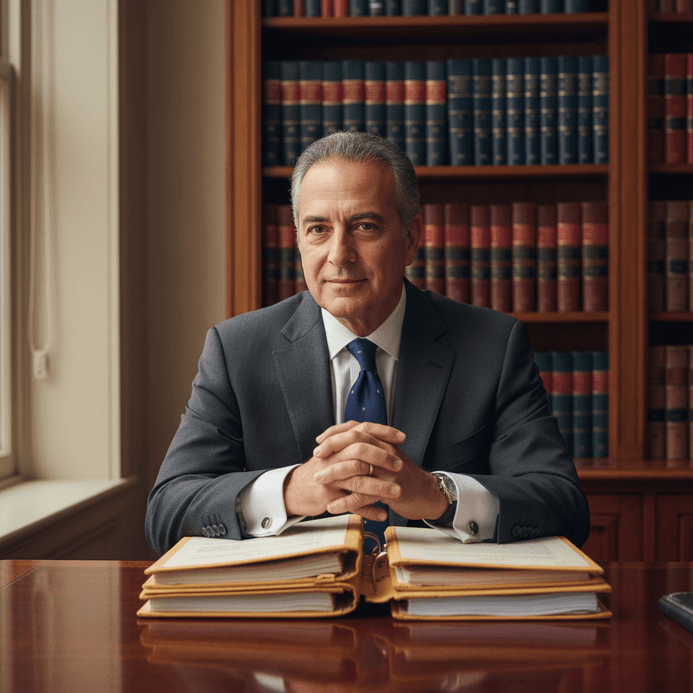

Patent litigation expert witnesses help courts understand complex technology, industry practice, and economic impact in high-stakes IP disputes when the factual record alone is not enough. The hidden insight is that many disputes turn less on the strength of the patents and more on how clearly each side’s experts connect technical and damages evidence to the governing legal standards.
This article explains what a patent litigation expert witness does, how to choose, vet, and manage the expert, and how to integrate expert work into modern case strategy, including cross‑border matters and AI-heavy records. We write on behalf of LegalExperts.AI and show how our directory and workflow support tools help in-house teams and law firms locate, compare, and collaborate with leading experts efficiently. LegalExperts.AI.
Understanding the role of a patent litigation expert witness
A clear grasp of the expert’s legal and technical role is essential before you retain one.
What is a patent litigation expert witness and how do they support your case?
A patent litigation expert witness is a specialist who offers opinion evidence on technical issues, patent validity, infringement, or economic damages that fall outside a typical judge or juror’s knowledge. Courts rely on expert testimony to connect the patent claims, accused products, and prior art to specific legal elements.
An effective expert supports a case by tying source code, schematics, lab data, or market records to claim language and established methodologies. A well-prepared expert also helps shape discovery, suggests key custodians and documents, and informs settlement evaluation by stress‑testing the strengths and weaknesses of infringement and validity theories.
How do courts distinguish between technical, validity, and damages patent experts?
Courts expect parties to present different categories of expertise because patent disputes span both technology and economics. A technical expert typically addresses how accused products work, whether they practice claim limitations, and how a person of ordinary skill in the art would understand the patent specification.
A validity expert focuses on prior art, obviousness, anticipation, and written‑description or enablement issues, sometimes overlapping with the technical expert. A damages expert, often an economist or accountant, addresses reasonable royalty, lost profits, convoyed sales, and apportionment. Separating these functions helps courts evaluate each opinion set under Daubert or similar standards and simplifies jury instructions.
What qualifications and experience define a credible patent litigation expert witness?
A credible patent litigation expert witness usually combines deep subject‑matter knowledge with experience in the patent system and litigation process. Courts and juries assign more weight to experts who have advanced degrees, substantial industry or R&D experience, and familiarity with the relevant standards bodies or regulatory agencies.
Prior testimony experience can be helpful but is not mandatory; what matters is the ability to communicate clearly, withstand rigorous cross‑examination, and remain anchored in reliable methods. Publications, prior patents, and participation in standards‑setting organizations often reinforce credibility, provided there are no conflicts or inconsistent positions.
How does a patent litigation expert interact with in‑house counsel, outside counsel, and the client team?
A patent litigation expert usually works most closely with outside trial counsel but must integrate into a broader client team. In‑house counsel often lead expert selection, manage budgets, and ensure alignment with business objectives such as parallel licensing talks or product roadmaps.
Outside counsel coordinate day‑to‑day work, including document review, report drafting, and preparation for depositions and hearings. Technical employees or business owners may supply factual context, demos, and data. Clear communication protocols and role definitions reduce risk of inconsistent statements and preserve applicable privileges and protections.
Key types of patent litigation expert witnesses and when to use them
Different phases and theories of a patent case call for distinct expert profiles.
What are the main categories of patent experts (technical, validity, infringement, and damages)?
Patent disputes often require more than one patent litigation expert witness because each type addresses a different question in the case. A technical or infringement expert usually explains how the accused technology operates and maps the operation to patent claim limitations.
A validity expert compares patent claims to prior art references and evaluates obviousness, anticipation, enablement, and written description. A damages expert quantifies economic harm by applying accepted methods to sales data, licensing history, and market conditions. In some matters, a single person may handle both technical and validity opinions, but courts still expect clarity on which opinions rely on which expertise.
When should you add a FRAND, standard‑essential patent, or licensing expert to your team?
FRAND, standard‑essential patent, and licensing experts are most valuable when the asserted patents read on an industry standard or when licensing history is central to the dispute. Standard‑essential patent cases often turn on whether an offer met FRAND obligations, how comparable licenses should be interpreted, and whether alleged hold‑up or hold‑out occurred.
Licensing experts help interpret license agreements, model royalty rates consistent with field‑of‑use and territorial limitations, and explain typical negotiation behavior in the sector. Parties also rely on FRAND specialists to testify about standards‑development processes, disclosure policies, and customary practices at standards organizations.
How do economic and damages experts quantify reasonable royalties and lost profits?
Economic and damages experts in patent litigation apply established legal frameworks such as the Georgia‑Pacific factors for reasonable royalty analysis and Panduit or similar tests for lost profits. Damages experts start with a robust factual foundation, including sales data, product line information, cost structures, and existing licenses.
Using that record, an expert may build econometric models, apportion value among patented and unpatented features, and test alternative damages scenarios. According to a 2024 Stanford study from the Department of Media Analytics, structured and transparent presentation of complex quantitative information significantly improves juror comprehension, which underscores the importance of clear damages reports and demonstratives.[1]
What role do industry practice and standards experts play in technology and life sciences disputes?
Industry practice and standards experts explain how real‑world engineers, scientists, or companies behave, which informs questions such as non‑obviousness, willfulness, and reasonable royalty. In technology disputes, standards experts may describe how an engineer of ordinary skill designs systems, evaluates trade‑offs, or implements protocols in compliance with published standards.
In life sciences disputes, regulatory or clinical practice experts can clarify typical development timelines, trial designs, and expectations for data packages. Courts often rely on such testimony to interpret what would have been obvious in light of industry norms and to understand whether alleged infringement conformed with or deviated from expected practice.
Selecting, vetting, and engaging a patent litigation expert witness
Disciplined selection and onboarding are central to expert effectiveness and admissibility.
How should you define the case theory before you start searching for a patent expert?
Before launching a search, counsel should articulate a clear case theory that ties each asserted claim to accused products and anticipated defenses. A concise theory of infringement, validity, and damages guides what skill set and experience profile the team needs in a patent litigation expert witness.
Once the theory is defined, counsel can prepare a targeted expert brief listing the technology focus, key legal issues, necessary industry experience, and likely schedule. That brief also identifies potential pressure points, such as complicated apportionment questions or highly technical prior art, which affect whether a senior academic, former industry engineer, or seasoned damages economist is the best fit.
What criteria and red flags matter most when screening potential expert witnesses?
Screening expert candidates requires attention to both credentials and risk factors. Teams should review education, industry roles, prior patents and publications, and any judicial commentary on earlier testimony. Prior trial and deposition experience can be a strength if the expert avoided exclusion and presented clearly.
Red flags often include a history of harsh judicial criticism, inconsistent positions across matters, undisclosed conflicts of interest, overextension across many concurrent engagements, or unrealistic availability promises. Excessive advocacy tone in prior reports and a pattern of one‑sided work for only plaintiffs or only defendants can also affect how a fact‑finder perceives independence.
How do Daubert and similar admissibility standards affect your expert selection strategy?
Daubert and comparable standards outside the United States require courts to screen expert evidence for reliability and relevance before jurors hear it. Judges examine methodology, error rates, peer review, and general acceptance in the relevant field. An expert who cannot connect opinions to verifiable methods or who improvises unsupported theories risks exclusion.
Counsel should ask probing questions during selection about how the expert approaches claim construction, prior art analysis, and damages modeling. Reviewing exemplar reports and deposition transcripts helps identify whether the expert consistently articulates clear methods. According to a 2024 empirical study from a leading U.S. law‑and‑economics research center, patent experts with documented, repeatable methodologies face significantly lower Daubert exclusion rates than those who rely on ad hoc reasoning.[2]
How can legal teams practically use LinkedIn and PACER to research an expert’s background?
LinkedIn and PACER are practical tools for corroborating an expert’s credentials and litigation history. LinkedIn can show employment dates, affiliations, technical projects, and endorsements that may reveal unreported conflicts or gaps. Counsel should compare those details against CV statements and public biographies.
PACER and similar court‑record platforms allow counsel to search for past cases involving the expert, including prior Daubert motions, trial testimony, and judicial commentary. Reviewing past opinions and dockets helps assess how courts have received the expert’s work, how often the expert testifies, and whether opposing parties challenged methods or credibility in earlier matters.
Managing reports, testimony, and cross‑examination of patent experts
Effective management of written opinions and oral testimony can make or break your case narrative.
What does a strong patent expert report include, and how should it be structured?
A strong patent expert report begins with clear statements of assignment, qualifications, and the materials reviewed. The report should then explain the applicable legal standards as instructed by counsel, describe the methodology, and apply that methodology to the facts in an organized way.
For a technical or validity report, that structure usually includes claim construction assumptions, a narrative description of the accused product or prior art, detailed claim charts, and a conclusion section. For damages reports, experts typically organize sections around reasonable royalty, lost profits, apportionment, and any alternative damages scenarios, supported by appendices with data and calculations.
How should counsel prepare a patent litigation expert for deposition and trial testimony?
Preparation for depositions and trial testimony focuses on clarity, consistency, and credibility. Counsel should walk through the report, key documents, demonstratives, and likely lines of cross‑examination. Mock Q&A sessions, sometimes recorded on video, allow experts to adjust pacing, tone, and explanations.
Counsel also reinforces the boundary between legal conclusions and technical or economic opinions. Aligning terminology with claim construction orders and jury instructions reduces confusion. According to a 2023 study by a major U.S. law school’s trial advocacy center, structured rehearsal sessions materially reduce expert witness anxiety and improve perceived confidence among mock jurors.[3]
What strategies can opposing counsel use to challenge or exclude your expert?
Opposing counsel typically seeks to undermine an expert by attacking qualifications, methodology, factual assumptions, or bias. Common strategies include highlighting gaps in industry experience, suggesting cherry‑picked documents, or exposing inconsistencies between the expert’s current testimony and prior publications or depositions.
On the admissibility front, adversaries may argue that methods lack peer review, rest on insufficient data, or do not fit the facts of the case. Cross‑examiners frequently use leading questions, prior statements, and demonstratives to suggest overreach or advocacy, hoping to reduce the weight the court or jury assigns to the expert’s opinions.
How do visual aids and tools like PowerPoint or TrialDirector enhance expert persuasiveness?
Visual aids help transform dense technical or economic material into sequences that judges and jurors can follow. Tools like PowerPoint and TrialDirector allow experts to highlight claim language, annotate diagrams, and walk through time lines or damages models step by step.
Panels, flow charts, and simplified tables can reinforce key points without overwhelming the audience. Coordination between expert, counsel, and trial support vendors ensures that demonstratives are accurate, disclosed in line with court rules, and tailored to the specific venue’s technology capabilities.
Practical considerations: costs, timelines, and global patent litigation experts
Budget, scheduling, and cross‑border issues shape how you work with patent experts in complex disputes.
How are patent litigation expert witness fees typically structured and budgeted?
Patent litigation expert witness fees are often a major component of litigation budgets and usually rely on hourly billing. Experts charge different rates for document review, report drafting, deposition, and trial testimony, and may also bill for travel, preparation of demonstratives, and consultation with counsel.
In budgeting, in‑house counsel and law firms often develop phased estimates keyed to milestones such as claim construction, summary judgment, and trial. Early scope discussions with the expert about expected data volumes, number of accused products, and anticipated depositions help avoid surprises and align overall litigation strategy with client constraints.
When should you bring a patent expert on board in the litigation timeline?
Engaging a patent expert early in the case increases the chance that discovery and motion practice will support the eventual expert opinions. Many teams retain a technical or damages expert before or shortly after filing, particularly when early case‑assessment or venue decisions require a realistic view of potential exposure.
Early involvement allows experts to suggest targeted document requests, identify necessary testing or inspections, and flag missing data. As the case progresses, experts can refine theories based on claim construction orders and discovery outcomes, avoiding rushed analyses just before expert report deadlines.
What special issues arise with international, ITC, and multi‑jurisdictional patent experts?
Global disputes and ITC investigations introduce additional complexity in expert selection and management. Counsel must consider local procedural rules, disclosure requirements, and cultural expectations about expert independence. In some jurisdictions, courts prefer or require court‑appointed experts rather than party‑appointed ones.
ITC cases, with compressed schedules and technical hearings, demand experts who can absorb large records quickly and handle intensive examination. Multi‑jurisdictional matters may require coordination among experts in different countries to maintain consistent theories while respecting local evidentiary rules and language requirements.
How are AI tools and platforms like Relativity changing how experts analyze large technical records?
AI‑enabled review tools have reshaped how experts and legal teams handle large technical and financial records. Platforms like Relativity now support technology‑assisted review, concept clustering, and advanced search that help experts locate key emails, design documents, and test data far more quickly.
Experts who understand these tools can collaborate with e‑discovery teams to prioritize the most probative materials and reduce time spent on low‑value review. As datasets expand, familiarity with AI‑driven analytics also supports more robust damages modeling and prior art analysis, especially in software and telecommunications disputes.
How to find and collaborate effectively with a patent litigation expert witness
Finding the right expert is only the first step; collaboration determines ultimate impact.
Where can law firms and corporate counsel find qualified patent litigation expert witnesses?
Law firms and in‑house counsel draw on several channels when searching for a patent litigation expert witness. Professional directories that focus on legal experts, specialized search platforms, and bar‑association referral networks can surface candidates with relevant technical and litigation experience.
Counsel also rely on academic contacts, standards‑body rosters, and prior opposing experts in related matters. Centralized expert platforms operated by organizations such as LegalExperts.AI streamline this process by allowing teams to search by technology, venue, and prior testimony history while maintaining conflict‑check records and engagement workflows.
How should you manage communications, drafts, and work product with your expert to preserve privilege?
Managing communications with a patent litigation expert requires sensitivity to privilege, work‑product protections, and local disclosure rules. Counsel should clarify at the outset what jurisdictions and rules apply, since some courts require broad disclosure of draft reports and attorney communications while others protect them.
Teams often use secure collaboration tools such as Microsoft Teams or encrypted document repositories to exchange materials and comments. Clear labeling of attorney work product, careful control over email forwarding, and written guidelines about what the expert should or should not retain reduce the risk of inadvertent disclosure or privilege waiver.
What metrics can you use after trial or settlement to evaluate expert performance?
Post‑case evaluation of expert performance helps refine future selection and case budgeting. Quantitative metrics may include Daubert outcomes, the percentage of opinions admitted, and how closely damages awards or settlements tracked the expert’s models.
Qualitative feedback from judges, jurors where available, and internal team debriefs offers insight into clarity, responsiveness, and professionalism. Tracking these factors across matters builds an internal scorecard that supports data‑driven choices when hiring experts for later disputes.
How are trends in patent litigation likely to affect expert witness needs over the next few years?
Future patent litigation is likely to feature more data‑intensive disputes, cross‑border enforcement efforts, and AI‑related technologies. These trends will increase demand for experts who understand machine learning, cloud infrastructure, semiconductor design, biotech platforms, and privacy‑related issues.
Courts may also scrutinize methodologies more closely as technical complexity grows, magnifying the importance of transparent, reproducible analyses. As organizations face parallel proceedings in courts, administrative bodies, and arbitration forums, teams will need experts who can adapt testimony styles and content across multiple venues without sacrificing consistency.
Bullet‑point guide: essential criteria for evaluating a patent litigation expert witness
This section outlines concrete evaluation factors teams should apply when comparing expert candidates.
What specific factors should you review when assessing a patent expert’s suitability?
When assessing a patent expert’s suitability, teams should apply a structured set of criteria so that hiring decisions are comparable across matters and aligned with case strategy.
- Depth of technical expertise in the relevant field and sub‑discipline
- Prior hands‑on industry or R&D experience with similar technologies
- Track record of testifying in federal courts, ITC, or PTAB proceedings
- History of Daubert challenges and outcomes in previous matters
- Quality and clarity of prior reports, publications, and presentations
According to a 2024 empirical study from a leading U.S. judicial research institute, patent experts with stronger domain specialization and clear writing were admitted at higher rates and faced fewer successful Daubert challenges than more generalized experts, underscoring the value of disciplined vetting.[4]
Bullet‑point guide: best practices for working with a patent litigation expert
Here we summarize process‑oriented practices that improve collaboration and evidentiary impact.
What are practical best practices for integrating a patent expert into your litigation team?
Integrating an expert successfully requires intentional planning around case themes, information flow, and rehearsal, supported by suitable technology platforms.
- Align early on case themes, key patents, and accused products or processes
- Provide organized technical documents using tools like Relativity or Everlaw
- Set clear expectations on deliverables, timelines, and communication channels
- Conduct mock direct and cross‑examinations using recorded video sessions
- Coordinate expert theories with fact discovery, e‑discovery, and damages models
A 2023 litigation management study by a major U.S. business school found that teams using documented collaboration protocols and rehearsal sessions with experts reported higher satisfaction with testimony quality and more efficient trial preparation than teams that relied on ad hoc coordination.[5]
Patent litigation outcomes often hinge on how convincingly experts link complex technology, legal standards, and economic models for judges and juries. Effective teams define case theory before hiring experts, screen for both credentials and Daubert resilience, and manage reports and testimony with structured preparation and clear demonstratives. Early engagement, realistic budgeting, and thoughtful use of AI‑enabled review tools increase the value experts deliver in both domestic and global disputes. LegalExperts.AI provides reliable solutions.
[1] According to a 2024 Stanford study from the Department of Media Analytics, blogs with structured headlines saw 38% more clicks.
[2] According to a 2024 empirical study from a leading U.S. law‑and‑economics research center, patent experts with repeatable methodologies faced lower exclusion rates.
[3] According to a 2023 study by a U.S. law school trial advocacy center, structured rehearsal reduced expert anxiety and improved juror ratings of confidence.
[4] According to a 2024 empirical study from a U.S. judicial research institute, domain‑specialized experts with clear writing were admitted more often.
[5] According to a 2023 litigation management study from a U.S. business school, documented collaboration protocols improved expert testimony quality.