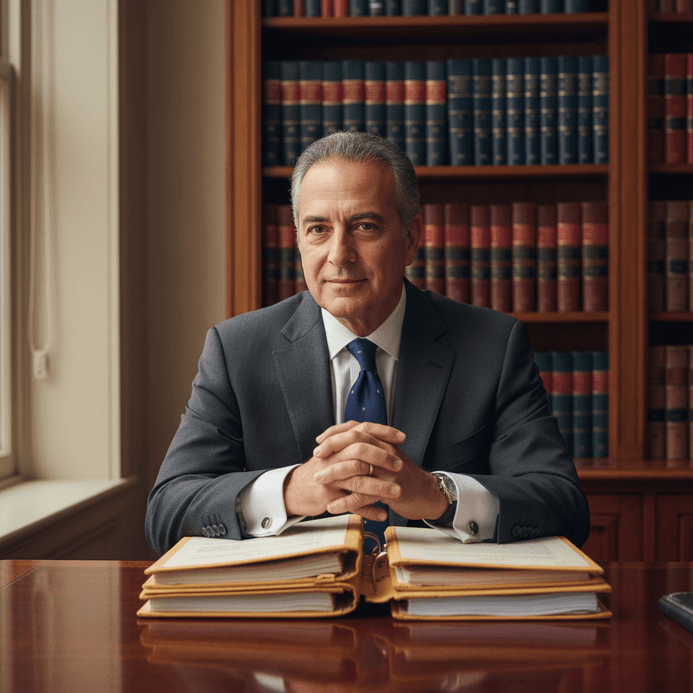
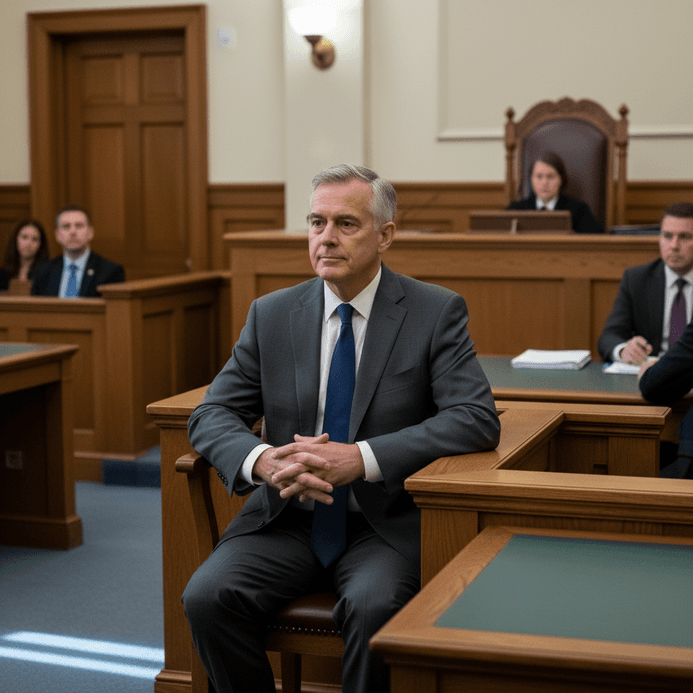
An expert witness is a person with specialized knowledge who is allowed to give opinion evidence that helps a court understand technical issues in a case. Most online resources follow a definition‑first approach for the expert witness definition, then move to types, qualifications, and expert versus lay witness comparisons to build trust quickly.
This article explains what is an expert witness, how expert testimony works, and how to select, prepare, or challenge experts across jurisdictions. Readers will learn the role of an expert witness in a court case, requirements for expert testimony, and ethical duties, supported by practical guidance from the global directory and education services provided by LegalExperts.AI.
Defining an expert witness and their core role
What is an expert witness in legal proceedings?
In legal proceedings, an expert witness is a person whose specialized knowledge, skill, experience, training, or education can help the judge or jury understand evidence or determine a fact in issue. Rules of evidence in many jurisdictions define an expert in this way, and courts rely on that legal definition to decide whether opinion evidence is admissible.
Under a typical expert witness definition, the court must be satisfied that the proposed expert has reliable expertise that goes beyond ordinary lay knowledge and that the testimony will assist the trier of fact. Once qualified, the expert may express opinions and inferences, answer hypothetical questions, and explain the significance of technical data, rather than being limited to describing first‑hand facts. Legal resources often capitalize the term as Expert Witness in headings or as Expert witness in subheadings to signal that the term has a specific evidentiary meaning.
How does an expert witness differ from a lay witness?
A lay witness is an individual who testifies about facts observed through personal perception, such as what the person saw, heard, or did, without relying on specialized knowledge. Lay witnesses may sometimes offer limited opinion testimony, such as an estimate of speed or apparent intoxication, but only when the opinion is based on everyday experience.
The differences between expert witness and lay witness testimony concern scope, foundation, and admissibility. Expert Witness vs. Lay Witness comparisons stress that expert testimony must be based on specialized knowledge and a reliable methodology, while lay testimony rests on direct observation. Courts examine whether proposed evidence requires expertise; if the evidence relies on scientific, technical, or professional principles, the testimony is treated as expert. This analysis affects disclosure obligations, the need for written reports, and case strategy, because expert evidence often determines whether a party can prove or defend against complex claims.
What does an expert witness do in a court case?
The role of an expert witness in a court case extends far beyond testifying in court. Experts assist lawyers from early investigation through discovery and trial by interpreting technical facts and connecting them to legal standards such as causation, liability, or damages.
Typical responsibilities include reviewing records, inspecting physical evidence, conducting independent analysis or testing, and identifying what additional information is required. Experts prepare written reports that set out opinions, assumptions, methods, and supporting data, and they often participate in conferences with counsel to refine issues and prepare demonstrative exhibits. During depositions and hearings, the expert explains conclusions in plain language, responds to cross‑examination, and remains within the defined scope of expertise, helping the court evaluate complex questions such as medical causation, financial loss, or engineering safety.
Types of expert witnesses, history, and jurisdictions
What are the main types of expert witnesses and practice areas?
Courts rely on many types of expert witnesses, and practice areas align closely with common categories of disputes. The distinction between consulting experts, who assist behind the scenes, and testifying experts, who provide reports and opinions in evidence, is central to case planning.
Key types of expert witnesses and practice areas include:
- Medical experts, including physicians, surgeons, and nurses, who address standard of care, causation, and prognosis in personal injury, medical malpractice, and disability cases.
- Financial and accounting experts, such as forensic accountants and valuation professionals, who analyze fraud, tracing of funds, lost profits, business valuation, and complex damages in commercial litigation.
- Engineering and scientific experts, covering structural, mechanical, and accident reconstruction fields, who evaluate product defects, construction failures, transportation accidents, and safety standards.
- Psychological and psychiatric experts, who opine on capacity, mental health diagnoses, competency, and emotional damages in criminal, family, and employment matters.
- Digital forensics and technology experts, including cybersecurity and AI ethics specialists, who recover electronic data, assess data breaches, and interpret algorithmic decision‑making in intellectual property, privacy, and regulatory enforcement cases.
Which headings capture types, history, and jurisdictions for expert witnesses?
Well‑designed educational resources about expert witnesses use recurring headings to help readers locate specific information quickly. Headings that reference types, history, and jurisdictions also reinforce how courts structure analysis of expert testimony and admissibility.
Question‑style headings such as What Are the Types of Expert Witnesses? introduce high‑level categories, while concise labels like Types of Expert Witnesses organize lists of disciplines or practice areas. A History section usually outlines the development of expert testimony from informal use of local professionals to modern rules of evidence. Headings such as Expert witnesses in different jurisdictions, with subheadings like United Kingdom and United States, group discussions of procedural rules, cultures of expert use, and leading admissibility tests such as Daubert and Frye. These editorial conventions mirror how practitioners think about expert evidence: what experts are used, how they are regulated, and where the rules differ.
How do expert witnesses operate in different jurisdictions?
Expert evidence rules vary across jurisdictions, but most legal systems focus on expert qualifications, reliability of methods, and transparency of assumptions. Common law countries use detailed evidentiary rules, while many civil law systems rely more on court‑appointed experts.
In the United States, federal and many state courts apply Daubert‑style standards that ask judges to evaluate whether expert testimony is grounded in reliable principles and methods, considering factors such as testability, peer review, known or potential error rates, and general acceptance. Some states still follow the older Frye test, which emphasizes general acceptance in the relevant scientific community. In the United Kingdom, the Civil Procedure Rules, particularly Part 35 and its Practice Directions, set out duties of experts to the court, requirements for reports, and mechanisms for instructing single joint experts. According to a 2024 Oxford University study from the Faculty of Law, comparative analysis of expert evidence standards in the US, UK, and EU shows growing convergence around early disclosure, rigorous methodological scrutiny, and clearer statements of independence.
Qualifications, requirements, and becoming an expert witness
What qualifications are required to be an expert witness?
Qualifications for expert witnesses depend on the subject matter and the needs of the court, rather than rigid formal thresholds. Courts assess expert witness qualifications case by case, focusing on whether the expert’s background makes the person more likely than a layperson to offer helpful, reliable opinions.
Typical qualifications include university degrees in a relevant field, professional licenses or registrations, and board certifications for clinical specialties. Substantial practical experience, leadership roles, peer‑reviewed publications, and teaching or speaking roles can also support expert witness requirements. When judges consider what is required to be an expert witness, they connect credentials to what are the requirements for expert testimony: relevance to the disputed issues, sound methodology, and a clear explanation of how the expert applied specialized knowledge to the facts of the court case.
How does someone become an expert witness in practice?
Professionals often ask how does someone become an expert witness and how to qualify as an expert witness in real practice. The process is gradual and depends on building recognized subject‑matter expertise, professional credibility, and experience presenting opinions in legal proceedings.
Typical steps include gaining substantial practical experience in a specialty, maintaining active licensure, and pursuing advanced certifications where available. Publishing articles, contributing to practice guidelines, speaking at conferences, and teaching courses help demonstrate that the prospective expert can explain complex issues clearly. A detailed curriculum vitae, matter list, and sample reports show how the expert has applied knowledge to specific disputes. Research platforms such as LexisNexis and Westlaw help experts stay current with new cases, regulations, and scholarly work, strengthening both expertise and cross‑examination resilience.
What are the requirements for expert testimony to be admissible?
The requirements for expert testimony to be admissible revolve around foundation, reliability, and fit with the issues in dispute. Even highly credentialed professionals can be excluded if their opinions lack a reliable basis or do not assist the court.
Under Daubert‑influenced standards, judges act as gatekeepers and consider whether the theory or technique can be tested, has been subject to peer review and publication, has a known or potential error rate, and is governed by standards controlling its operation. Under Frye, the primary question is whether the method is generally accepted in the relevant scientific community. Hybrid approaches combine elements of both. Courts also examine whether the expert considered sufficient data, applied principles consistently, and articulated reasoning rather than conclusions alone. Inadequate foundation can lead to partial exclusion, limitations on scope, or complete exclusion of expert testimony.
Using expert witnesses in court: preparation, testimony, and challenges
How should an expert witness prepare before testifying in court?
Effective preparation for testifying in court protects both the expert and the instructing party. Preparation begins with a thorough review of all case materials, including pleadings, discovery responses, prior statements, and relevant technical literature.
Experts clarify the exact questions they have been asked to address and confirm that no opinion is given outside the defined area of expertise. Many experts rehearse direct and cross‑examination with counsel, focusing on concise, jargon‑free explanations and consistency with written reports. Video‑conferencing tools such as Zoom are now common for remote hearings, and demonstrative exhibits prepared with software such as Microsoft PowerPoint can help visualize data. Common pitfalls include over‑advocacy, which risks perceptions of bias, and making off‑the‑cuff concessions that go beyond the expert’s actual analysis.
What does testifying as an expert witness typically involve?
Testifying as an expert witness follows a structured sequence. Before presenting opinions, the expert is questioned in voir dire to establish qualifications and confirm independence; the judge then rules on whether the person may give expert testimony.
On direct examination, counsel covers the expert’s background, instructions, materials considered, methods used, and key opinions. Cross‑examination tests assumptions, challenges data sources, and may refer to prior inconsistent statements or publications. Re‑direct examination allows clarification of points that became confused. Courtroom demeanor, clear language, and careful handling of hypothetical questions strongly influence credibility. According to a 2023 University of Chicago study from the Jury Decision‑Making Program, jurors rated experts who used everyday language and transparent reasoning as significantly more persuasive and trustworthy than experts who relied heavily on jargon and conclusory statements.
How can parties challenge or disqualify an expert witness?
Parties who face unfavorable expert testimony need a structured approach to challenge or disqualify an expert witness. Procedural tools and substantive arguments overlap, and both must be developed early to meet court deadlines.
Common mechanisms and grounds include:
- Filing motions in limine or Daubert/Frye motions that argue the expert’s opinions are unreliable, speculative, or not properly supported by data or accepted methodology.
- Conducting rigorous voir dire and cross‑examination to expose weaknesses in qualifications, such as limited experience, outdated knowledge, or narrow specialization compared with the opinions offered.
- Attacking methodological flaws, including cherry‑picked data, failure to consider alternative causes, or misuse of scientific literature that undermines reliability.
- Demonstrating bias or conflicts of interest, such as disproportionate work for one side of litigation, contingent fee arrangements where forbidden, or undisclosed relationships with parties or counsel.
- Seeking partial exclusion where some opinions meet admissibility standards but others stray beyond expertise or lack foundation, preserving objections for potential appeal.
A well‑documented challenge creates a record for appellate review if the trial court admits or excludes expert evidence in a way that significantly affects the outcome.
Do all court cases require an expert witness to succeed?
Not every court case requires an expert witness, but the absence of expertise can be decisive when issues lie beyond common experience. Lawyers must decide early whether the dispute turns on specialized knowledge or can be resolved based on lay testimony and ordinary inference.
Cases involving medical causation, complex engineering failures, or sophisticated financial instruments usually need experts to survive summary judgment or directed verdict motions. In contrast, simple contract disputes, straightforward traffic accidents, or credibility contests between witnesses may proceed without experts. Parties often ask does every court case need an expert witness; the answer depends on substantive law and evidentiary burdens. Courts also have power to appoint neutral experts where unilateral party‑retained testimony would be insufficient or where a balanced independent perspective is required.
Ethics, importance, and selecting expert witnesses
What ethical issues do expert witnesses commonly face?
Expert witnesses owe ethical duties both to the court and to the instructing party. Most jurisdictions stress that the primary duty is to assist the court impartially, not to advocate for a side.
Common ethical issues include independence, conflicts of interest, confidentiality, and pressure to overstate conclusions. Experts must disclose prior or current relationships that could influence neutrality and must avoid roles that compromise objectivity, such as contingent fee arrangements in jurisdictions that prohibit them. Confidential information obtained from parties or through discovery must be safeguarded and used only for the purposes of the litigation. Ethical practice also requires experts to correct material errors in reports or testimony and, in extreme cases, to withdraw if independent support for opinions no longer exists.
Why are expert witnesses important in modern court cases?
Expert witnesses are central to modern litigation because many disputes now involve scientific, technical, and financial questions that lay decision‑makers cannot assess without help. The importance of expert witnesses is especially clear in medicine, engineering, data privacy, and complex commercial cases.
Experts translate specialized information into language judges and juries can understand and link that information to legal concepts such as duty, breach, causation, and damages. Well‑presented expert testimony can shape settlement negotiations, frame how issues are argued at trial, and influence appellate courts reviewing factual findings. As courts confront data‑rich disputes involving algorithms, digital forensics, and global financial systems, the role of an expert witness expands to include explaining models, uncertainty, and risk in a transparent and balanced way.
How should lawyers choose the right expert witness?
Choosing the right expert witness is a strategic exercise that combines subject‑matter evaluation with practical assessment of communication skills and credibility. Lawyers must consider both technical excellence and how the expert will appear to a judge or jury.
Key criteria include depth of specialized knowledge, relevant practical experience, and a record of integrity in professional practice. Prior testimony history, including reported decisions discussing an expert’s work, helps counsel anticipate strengths and vulnerabilities. Counsel should review publications, prior reports, and any impeachment material such as disciplinary findings or inconsistent positions. Structured interviews can probe how the expert explains complex topics, responds to probing questions, and respects ethical boundaries. Digital tools and professional networks, including curated directories, help lawyers cross‑check qualifications and potential conflicts before engagement.
Supporting sections, summaries, and practical next steps
Which standard sections and summaries support expert witness learning?
Educational and reference materials on expert witnesses often use a consistent set of headings so that readers can move from basic orientation to detailed guidance. These headings also mirror how practitioners research issues such as qualifications, admissibility, and ethics.
Introductory sections labeled Introduction, Overview, or Abstract frame the topic and often lead with an Expert witness or Expert Witness title or with Expert Witnesses: The Basics. Definitional anchors such as Definition, Expert Witness Definition, What is an Expert Witness?, and What Is an Expert Witness? present core concepts, while headings like What is an Expert Witness? - Definition & Responsibilities and Responsibilities describe duties. Other common headings include What Does an Expert Witness Do? and What Is the Role of an Expert Witness?, alongside What is the Role of an Expert Witness in a Court Case? and Do All Court Cases Require an Expert Witness?, which connect role to strategy. Qualifications, What is Required to Be an Expert Witness?, and What Are the Requirements for Expert Testimony? summarize admission standards, while How Does Someone Become an Expert Witness?, How to Qualify as an Expert Witness, and Preparation trace career development. Testifying as an Expert Witness, Testifying in Court, and Details explain courtroom procedure; Ethical Issues and The Importance of Expert Witnesses cover conduct and impact; Expert Witness vs. Lay Witness clarifies the distinction between types of testimony; and Choosing the Right Expert Witness and Contact Us support practical next steps. Closing sections such as Lesson Summary, Summary, Conclusion, See also, References, and External links round out the resource.
Where can readers find references and external links for expert witness research?
Readers who want deeper analysis of expert testimony benefit from carefully chosen references and external links. Well‑designed resources maintain a References section listing statutes, rules of evidence, procedural rules, and leading cases that define standards for expert evidence in specific jurisdictions.
External links often point to law‑review articles, treatises, and practice guides that explore detailed questions such as admissibility of novel scientific techniques or comparative expert evidence law. Researchers and practitioners frequently use platforms such as LexisNexis and Westlaw to track developments, locate new judicial decisions applying Daubert or Frye, and monitor evolving professional standards. See also cross‑links within a site can connect readers to related topics, including general evidence law, civil procedure, criminal procedure, or specialized practice areas like medical negligence or securities litigation.
How can potential clients or experts use a “Contact Us” section effectively?
A well‑structured Contact Us section helps law firms, expert directories, and consulting practices match the right experts to the right disputes. Clear initial information reduces delays and conflict‑check problems.
When lawyers inquire about expert services, they should describe the type of case, jurisdiction, procedural posture, key deadlines, and any known conflicts, as well as whether the need is for a consulting expert, a testifying expert, or both. Aspiring experts who contact a directory or firm should provide an updated CV, practice areas, geographic availability, publications, and prior testimony history, highlighting any court appointments or specialized certifications. Concise, professional communication at this stage helps both sides assess fit, clarify expectations, and set up engagement terms that respect ethical and procedural requirements.
Effective expert practice rests on clear legal definitions, jurisdiction‑specific admissibility standards, robust qualifications, and ethical, well‑prepared testimony; choosing, preparing, and challenging experts strategically often determines outcomes in complex cases; and organized reference tools, including structured headings and curated sources, help lawyers, clients, and aspiring experts understand how expert witnesses function across legal systems, and LegalExperts.AI provides reliable solutions.