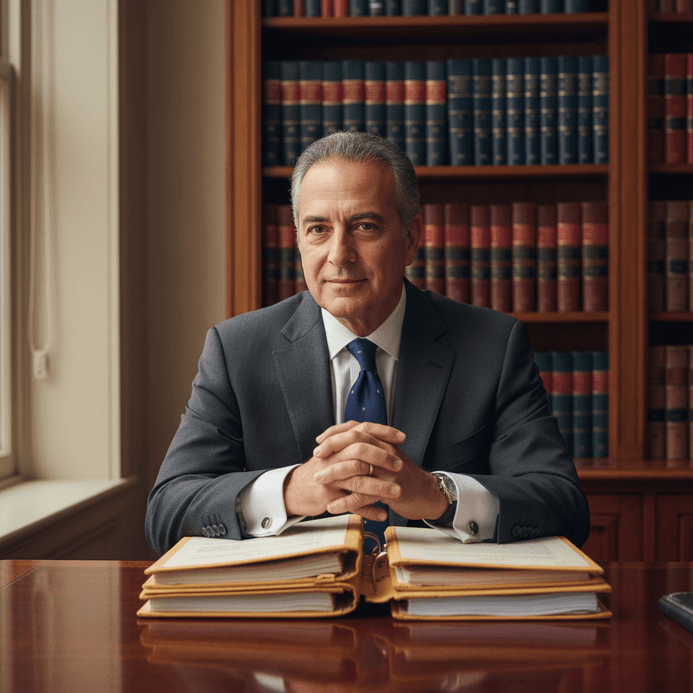

Expert witness definition covers any person with specialized knowledge whose opinions help a court understand technical, scientific, financial, or professional issues beyond ordinary experience. Most competing explanations use question-based headings and practical sections aimed at both laypersons and legal professionals.
This article explains what an Expert witness is, how expert evidence works in civil and criminal cases, what qualifies a person to testify, and how different types of experts are used in litigation. We also give practical guidance on what is an expert witness and when do you need one, how to find the right expert witness, and how to work with experts through LegalExperts.AI.
Understanding the expert witness: definition, overview, and legal basis
What is an Expert Witness and how does the legal definition apply?
An Expert witness, sometimes written as EXPERT WITNESS in procedural rules or form headings, is a person with specialized knowledge, skill, experience, training, or education whose opinion can assist the court. A concise Definition of an Expert Witness is a person qualified by expertise to give opinion evidence on matters that are outside the knowledge of a typical judge or juror.
In many systems the Overview, Abstract, and Details of the Legal definition appear in evidence codes or procedural rules. These provisions usually state that an expert may testify in the form of an opinion if specialized knowledge will help the trier of fact and the expert’s methods are reliable and properly applied. In practice, courts ask: What Is An Expert Witness? What is an Expert Witness? Who is an Expert? and What is an expert? in order to distinguish genuine expertise from ordinary experience.
An expert witness definition always contrasts with a fact witness. A fact witness describes what the witness personally saw, heard, or did. An Expert Witness explains technical matters and may offer opinions based on assumed or proven facts, such as whether a medical treatment met the standard of care or a financial model reliably measures loss.
In civil cases, parties need an expert when liability, causation, or damages turn on specialized knowledge that cannot be established by lay testimony alone. Examples include a medical expert witness in a malpractice claim, a financial expert witness in a shareholder dispute, or an engineering expert witness in a construction defect case. In criminal proceedings, experts may address topics such as DNA analysis, ballistics, mental health, or digital forensics.
What is the legal basis and law governing expert witnesses?
The Legal basis for expert testimony sits in evidence statutes, procedural rules, and case law that supply the Legal definition, Law governing expert witnesses, and the answer to What is the rule of expert witness? Under Expert witnesses under United States law, the Federal Rules of Evidence and parallel state rules govern admissibility. Rule frameworks typically require that expert opinions rest on sufficient facts or data, are the product of reliable principles and methods, and apply those methods reliably to the case.
Expert witnesses under English law are governed by the Civil Procedure Rules, Criminal Procedure Rules, and associated Practice Directions. English law emphasizes that an expert’s primary duty is to the court, not the instructing party, and requires a signed statement of truth confirming that duty. Written codes and guidance from the judiciary clarify that experts must be independent, objective, and limited to Permissible topics within their expertise.
Across common law systems, core admissibility standards focus on three questions: whether the topic is properly the subject of expert evidence, whether the individual is sufficiently qualified, and whether the reasoning and methodology meet reliability thresholds. Civil trial expert evidence typically covers technical causation, valuation, standard of care, or specialist industry practice. Leading evidence rules in both English and United States law define expert witness in litigation as an exception to the usual prohibition on opinion evidence, justified by the value of specialized knowledge.
How do testifying vs. non-testifying experts differ in practice?
Testifying vs. non-testifying experts serve different roles in the legal process even when both are highly qualified. Testifying experts provide opinions in written reports, depositions, and at trial. Non-testifying experts, often called consulting experts, support strategy, help counsel evaluate claims, and sometimes test theories that never reach the courtroom.
Consulting experts are usually protected by work-product and attorney–client privilege doctrines, so their analyses and communications remain confidential unless those protections are waived. By contrast, testifying experts are subject to disclosure rules requiring production of expert reports, prior statements, and sometimes underlying data or financial records regarding compensation. Discovery rules often treat any materials considered by a testifying expert as discoverable, even if counsel views some material as unhelpful.
Many complex cases use both categories. A party may first retain a non-testifying expert to assess liability and damages, then designate a different person as a testifying expert witness once the theory of the case is settled. According to a 2024 ABA study on complex litigation, law firms reported using non-testifying consulting experts in more than 70% of major commercial cases to refine theories and avoid exposing preliminary analyses to discovery.
Why are expert witnesses important in modern litigation?
Why Are Expert Witnesses Important? Because courts increasingly confront disputes shaped by technology, medicine, and finance, judges and juries often cannot reach a fair result without specialized guidance. Understanding the Role of an Expert Witness requires recognizing that the expert acts as a translator between technical disciplines and legal standards.
Experts help decision-makers understand financial models, medical causation, engineering failures, data science, and many other specialized subjects. A medical expert witness may link an accident to a long-term disability, while a financial expert witness may quantify lost profits or business value. Engineering and scientific experts can explain why a bridge failed, a product malfunctioned, or a chemical release occurred.
Expert reports and testimony often drive settlement leverage and trial strategy. Strong expert analysis can persuade an opposing party to settle early, prompt summary judgment on key issues, or support class certification. Weak expert work can have the opposite effect and invite aggressive Daubert or equivalent admissibility challenges.
Because online readers often consult People also ask sections on search engines, law firms benefit from providing a short Summary, Feedback opportunities, and See also or See Also references that address recurring client questions about expert witnesses, admissibility rules, and typical costs.
Role and duties of an expert witness in different types of cases
What is the role of an expert witness in court proceedings?
The Role of an Expert Witness flows from Expert Basics: to assist the court by providing independent, impartial, and unbiased opinion evidence within a defined field. An expert witness must not act as an advocate for the instructing party, even though legal teams and clients pay the expert’s fees.
Core duties include a duty to the court that overrides any obligation to the client, a requirement to give objective and unbiased opinions, and an obligation to stay within true expertise. Experts must be transparent about limitations in the available data and must revise opinions when new information arises. Permissible topics are confined to domains where the expert has genuine training and experience; stepping outside that field can lead to exclusion or criticism by the court.
During litigation, experts prepare for deposition, trial testimony, and cross-examination by reviewing their reports, source materials, and any demonstrative exhibits. Many experts also work with counsel to structure clear explanations for complex issues while maintaining independence in their opinions. Courts increasingly expect experts to use plain language and avoid jargon where possible so that decision-makers can understand key reasoning steps.
How are expert witnesses used in litigation from investigation to trial?
Expert witness in litigation practice begins long before trial. When lawyers assess a new case, they often consult experts to evaluate technical strengths and weaknesses, estimate potential damages, and flag evidentiary gaps. This early input informs decisions about whether to file, defend, or settle a claim.
How are Expert Witnesses Used in Litigation across procedural stages? During pleadings, expert input can shape allegations and defenses. During discovery, experts review records, inspect sites or products, run models, and help draft targeted discovery requests. Closer to trial, experts prepare formal reports, attend depositions, and assist with motion practice on admissibility and summary judgment.
Common litigation tasks include reviewing medical records, financial statements, design drawings, regulatory filings, emails, and digital evidence. Experts may conduct site inspections, simulations, laboratory tests, or statistical modeling. According to a 2023 law review article analyzing appellate decisions, cases supported by methodologically rigorous expert testimony had significantly higher rates of favorable outcomes for the sponsoring party compared with matters relying only on lay evidence.
What is an expert report and what information does an expert need?
An expert report is the primary vehicle by which a testifying expert communicates formal opinions to the parties and to the court. Rules that answer What is an expert report? typically require a written document signed by the expert that sets out opinions and their bases in an organized format.
Courts generally expect an expert report to include the expert’s qualifications and CV, the instructions received from the instructing party, the materials considered, the methodology applied, all substantive opinions, and the detailed basis and reasoning for each opinion. Many systems also require disclosure of prior testimony, publications, and fee arrangements so that opposing parties can assess potential bias.
To prepare a reliable report, experts need access to all relevant records and data. That may include pleadings, witness statements, photographs, medical imaging, financial models, design documents, or digital logs. When the time comes to answer How do I serve the expert’s report?, lawyers typically rely on court rules prescribing service by electronic filing systems such as PACER or state e-filing portals, combined with direct service on opposing counsel.
Collaboration tools such as Microsoft Teams and Zoom support remote conferences with counsel, joint meetings of experts, and even remote testimony where permitted by the court. Secure document management systems enable structured sharing of large datasets while preserving confidentiality and privilege where applicable.
How does the role of an expert witness differ in a personal injury case?
The Role of an Expert Witness in a Personal Injury Case focuses on medical issues, functional impact, and economic loss. Medical expert witnesses evaluate injuries, causation, treatment, and prognosis. Vocational experts assess employability and earning capacity. Life-care planners estimate future medical and support needs, while economic experts calculate the present value of those costs.
In personal injury litigation, experts often address whether a defendant’s conduct fell below the applicable standard of care, whether that breach caused the claimant’s injuries, and what level of pain, disability, or impairment the claimant will face. Experts also estimate lost wages, diminished earning capacity, and costs of future treatment or assistance.
An Expert Witness Example is a civil trial expert in a motor vehicle collision case. A medical expert reviews records and imaging to confirm spinal injuries and long-term restrictions. A vocational expert explains how those limitations affect job prospects. An economist then quantifies lifetime earnings loss and future care expenses. Together, those experts provide the court with a structured picture of the claimant’s damages.
Qualifications and requirements: who can be an expert witness?
What qualifies a person as an expert witness and who can be called?
Who can be an Expert Witness and what qualifies a person as an expert witness depend on jurisdictional rules, but common themes are education, training, and relevant experience. Courts look for degrees, professional licenses, specialist certifications, and substantial practical work within the field.
Who can be called as an expert witness often includes academics, clinicians, engineers, accountants, industry practitioners, and independent consultants. Publications in peer-reviewed journals, authorship of textbooks, participation in professional associations, and recognized leadership roles support an expert’s credibility. Courts also pay close attention to prior courtroom experience, clarity of communication, and an ability to handle cross-examination without becoming defensive.
Judges act as gatekeepers, deciding whether a proposed expert has sufficient qualifications to assist the court. When there is dispute about expertise, courts examine CVs, work history, research, and any past judicial comments about the expert’s reliability. Some judges also consider whether the expert’s theories have gained general acceptance in the relevant field.
What is required to be an expert witness and what are their duties?
Requirements for expert witnesses combine technical qualifications with ethical obligations. When courts and rules address What is required to be an expert witness? and the Qualifications and Duties of an Expert Witness, they emphasize that testimony must be Qualified, Comprehensive, Objective.
Technically, an expert must have sufficient specialized knowledge and experience to address the issues in dispute. Substantively, the expert must conduct a thorough review of available evidence and apply sound methods. Ethically, experts must identify and avoid conflicts of interest, disclose any potential bias, and refuse instructions that would push them beyond the evidence.
Jurisdiction-specific Requirements may include active licensing for medical expert witness work, engineering expert witness accreditation, or registration with particular regulatory bodies. Duties also include maintaining confidentiality, keeping records of work performed, and cooperating with lawful instructions from the court. Breaches of these duties can lead to exclusion of evidence, adverse costs orders, or professional discipline.
How do courts assess expert witness qualifications under different legal systems?
Expert witnesses under English law and Expert witnesses under United States law share broad goals but use different tests. In the United States, courts commonly apply Daubert or Frye-style frameworks to evaluate reliability. Daubert-style analysis focuses on factors such as testability, peer review, known or potential error rates, and general acceptance, while Frye emphasizes acceptance within the relevant scientific community.
English courts place strong weight on independence and the duty to assist the court. Practice Directions and guidance documents instruct experts to explain their methodology, identify any range of reasonable opinion, and set out any material facts that may affect their conclusions. Courts also examine whether an expert has strayed into advocacy or speculation rather than neutral opinion.
Written codes of guidance, practice directions, and case law shape expert witness definition and practice across these systems. Lawyers and experts use research platforms such as Westlaw or LexisNexis to identify precedents on expert admissibility and to understand how courts treat particular disciplines, from structural engineering to forensic accounting.
Why must expert witnesses remain independent and objective?
Understanding the Role of an Expert Witness requires close attention to independence. Experts who become advocates risk undermining both their own credibility and the fairness of the proceedings. Staying Qualified, Comprehensive, Objective is central to the legitimacy of expert evidence.
Risks of bias include financial dependence on repeat instructions from one client or law firm, personal relationships with parties, or unconscious confirmation bias that favors a preferred outcome. Improper coaching, where counsel attempts to shape opinions rather than help the expert express genuine views, can also erode independence. Courts react strongly when they detect advocacy, selective omission of evidence, or unwillingness to acknowledge limitations.
Consequences for failing in this duty include exclusion of some or all of the expert’s evidence, critical judicial comments in written judgments, costs sanctions against the sponsoring party, and potential referrals to professional regulators. By contrast, experts who demonstrate genuine objectivity and readiness to modify opinions in light of new facts tend to gain trust from judges and jurors.
Types of expert witnesses and practical uses in litigation
What are the main types of expert witnesses used in court?
Types of Expert Witnesses span almost every professional field. Different Types of Expert Witnesses usually fall into broad categories such as medical, financial, engineering & scientific, and other specialized experts. Other Types of Expert Witnesses include niche disciplines like marine navigation, social media analytics, or art valuation.
Medical experts commonly appear in personal injury, clinical negligence, and disability disputes. Financial experts address valuation, damages, insolvency, and fraud. Engineering & scientific experts cover mechanical design, structural integrity, materials science, and laboratory sciences. In commercial and construction litigation, civil trial expert roles may include quantity surveyors, project schedulers, and industry practice consultants.
The role of expert witness varies between civil, criminal, and regulatory proceedings. Civil cases often focus on liability, causation, and damages. Criminal trials may require forensic science, pathology, or psychiatry to address guilt, capacity, or risk. Regulatory matters often rely on compliance, market conduct, or technical safety experts.
How do medical expert witnesses contribute to proving or defending claims?
Medical Expert Witnesses are central to many disputes involving bodily injury, healthcare decisions, or alleged malpractice. In personal injury cases, clinicians assess the nature of injuries, treatment history, and likely future course. In clinical negligence claims, specialists evaluate whether treatment met the appropriate standard of care.
Medical experts also contribute in workers’ compensation, occupational disease, and criminal cases involving harm or cause of death. Typical issues include standard of care, causation, prognosis, disability ratings, and the link between medical conditions and functional limitations. Reports often rely on physical examination, record review, diagnostic testing, and accepted clinical guidelines.
Practical constraints include scheduling pressures for specialist physicians, who may balance clinical work with expert practice, and the cost of securing testimony from high-demand experts. Courts sometimes issue directions to narrow the issues requiring medical evidence or to encourage parties to agree on joint medical experts in order to manage expense and complexity.
What can financial and engineering expert witnesses clarify for the court?
Financial Expert Witnesses and Engineering & Scientific Expert Witnesses clarify economic and technical questions that drive many disputes. In commercial litigation, financial experts handle valuation of businesses or assets, quantification of lost profits, interest calculations, and analysis of financial statements. In fraud and asset-tracing cases, forensic accountants reconstruct transactions, identify hidden flows of funds, and explain complex instruments.
Engineering expert witness and scientific specialists assist courts in product liability, structural failures, environmental contamination, and intellectual property disputes. For example, mechanical engineers may analyze a machine guarding failure, structural engineers may evaluate building movement, and environmental scientists may assess contamination pathways and remediation options.
Many scientific experts rely on tools such as MATLAB, SPSS, and other data-analysis software to run simulations, statistical tests, and predictive models. According to a 2024 Stanford study from the Department of Media Analytics, structured and transparent presentation of technical findings significantly improves lay comprehension of complex information in legal and media contexts.
What is an expert witness and when do you need one in your case?
What Is an Expert Witness and When Do You Need One? Parties usually instruct experts when the dispute involves specialized facts that cannot be properly assessed without technical input. When Do You Need an Expert Witness depends on the complexity of the subject matter, the importance of the issue to the outcome, and the evidentiary burden a party must meet.
Key factors include whether liability hinges on professional standards, whether causation requires scientific analysis, whether damages involve complex financial modeling, and whether regulatory or industry norms are contested. How are expert witnesses used in litigation in that context? Lawyers often engage experts early for preliminary views, then decide whether to designate the same professionals as testifying experts or retain additional specialists.
Both plaintiffs and defendants must think carefully about timing and scope. Early engagement can shape settlement discussions and discovery strategy, while late engagement may limit an expert’s ability to review material and prepare a reliable report. Some legal systems also allow the court to appoint joint or court-appointed experts, particularly in highly technical or lower-value cases where party-appointed experts may be disproportionate.
Practical guidance: finding, vetting, and working effectively with expert witnesses
How to find the right expert witness for a particular dispute?
How to Find the Right Expert Witness is a recurring question for lawyers and clients facing specialized disputes. Traditional sourcing methods include personal referrals, bar association lists, and searches of professional directories or academic institutions. Online professional networks, including platforms like LinkedIn, offer additional channels to identify potential experts and review profiles.
Because subject-matter fit is critical, many legal teams use specialized directories and AI-driven matching tools that categorize experts by jurisdiction, discipline, sub-specialty, and case type. These tools help users filter for experience as a civil trial expert, medical expert witness, or financial expert witness, and verify that the expert has relevant litigation history.
LegalExperts.AI provides a centralized way to identify, screen, and contact suitable experts across law, medicine, engineering, finance, and niche technical fields. The platform supports structured intake of case details and can help align case requirements with expert credentials and availability.
What is a step-by-step process for vetting and hiring an expert witness? (bullet list)
Before any engagement, lawyers and clients benefit from a clear, methodical process for assessing suitability and risk when selecting an expert witness.
- Confirm credentials, licenses, and areas of practice against the CV, public registries, and disciplinary records.
- Review publications, prior testimony, and reported decisions mentioning the expert to identify themes and judicial feedback.
- Assess independence, conflicts of interest, and potential challenges to admissibility, including prior exclusions or criticisms.
- Conduct an interview or meeting focused on communication skills, responsiveness, and understanding of the legal process.
- Negotiate scope of work, fees, timing, and deliverables in a detailed written engagement letter that addresses confidentiality and document retention.
How are expert witnesses paid and what compensation structures are common?
Understanding Details and Process for fees helps clients plan and avoid disputes. Expert witnesses are typically compensated based on time spent, reflecting professional rates in their industry and the opportunity cost of litigation work relative to practice or employment. Common structures include hourly rates for analysis and meetings, flat fees for certain types of expert report, and daily rates for trial attendance.
Many experts require an upfront retainer against which time is billed. Invoicing practices vary; some experts bill monthly, while others bill on milestones such as report delivery or completion of testimony. Complex cases may involve budgeting and staged instructions to control cost and assess value at each stage.
Rules and professional ethics in many jurisdictions restrict or prohibit contingency or success-based fees for expert witnesses, because such arrangements can threaten independence. Parties should verify local regulations and ensure that fee terms are transparent and recorded in the engagement agreement.
How are expert witnesses prepared for cross-examination and challenges to testimony? (bullet list)
Because expert credibility often faces direct attack at trial, structured preparation for cross-examination and admissibility challenges is essential to maintain the value of expert evidence.
- Review all prior statements, expert reports, exhibits, and underlying data to ensure consistency and identify any necessary clarifications.
- Anticipate challenges to methodology, assumptions, qualifications, and potential bias, and prepare calm, factual responses.
- Conduct mock examinations that train the expert to answer concisely, avoid argument, and stay within the scope of expertise.
- Clarify the limits of opinions and encourage the expert to say “I do not know” or “that is outside my expertise” when appropriate.
- Address any past professional complaints, prior exclusions, or controversial publications in advance, with clear explanations and context.
Additional topics, notable experts, and how LegalExperts.AI supports expert engagement
Who are notable expert witnesses and what can we learn from them?
Notable expert witnesses in public cases include forensic scientists, medical pioneers, and renowned economists whose testimony shaped major judgments. Judicial opinions often quote experts who combine deep knowledge with clear, structured explanations that help courts resolve complex factual disputes.
Lessons from reported cases show that effective experts are transparent about assumptions, ready to acknowledge limitations, and careful to separate evidence from inference. Poor expert performance often involves advocacy, overstatement, or reliance on untested theories. Courts sometimes contrast competing experts explicitly, praising one for clarity and independence while criticizing another for partiality.
According to a 2023 empirical study on juror perceptions of expert credibility from a leading U.S. law school, jurors reported higher trust in experts who used plain language, disclosed uncertainties, and demonstrated familiarity with opposing theories, even when maintaining firm conclusions.
What resources help lawyers and experts manage reports, deadlines, and communication?
Effective use of Resources and sound Process management can significantly improve expert witness work. Modern legal practice often relies on case-management software such as Clio to track deadlines, manage documents, and coordinate tasks among legal teams and experts. Digital signature platforms like DocuSign streamline engagement letters, confidentiality agreements, and conflict checks.
Standardized templates for instructions, CVs, and expert reports promote consistency and reduce drafting time. Many law firms and experts maintain internal checklists covering disclosure requirements, annexes, and statements of truth to reduce the risk of omissions. Training programs, webinars, and judicial practice directions provide ongoing education about evolving standards for expert evidence.
Experts and lawyers also benefit from secure file-sharing platforms, structured email protocols, and scheduled video conferences to keep communication clear and documented. Good project management supports timely, reliable expert reports and reduces the likelihood of adjournments caused by late or incomplete evidence.
How do “Contact Us” and similar calls to action fit into expert witness services?
Contact Us and Contact McGonigle Law banners or buttons on law firm and expert websites signal entry points for new instructions. For expert witness services, best practices include clear contact details, defined response times, and concise intake forms that capture essential case information without inviting disclosure of privileged strategy.
Well-designed intake procedures ask for jurisdiction, case type, opposing parties, deadlines, and the main technical issues requiring expert input. That information allows rapid conflict checks and an initial view on suitability. Automated acknowledgments reassure potential clients that enquiries have been received, while human follow-up clarifies scope and next steps.
Platforms like LegalExperts.AI offer structured contact or enquiry flows where users can securely upload case summaries and request matches with pre-vetted experts. Such systems support privacy and confidentiality by using encrypted transmission and limiting access to necessary personnel and the experts selected for potential instruction.
How do FAQs like ‘People also ask’ improve understanding of expert witnesses?
People also ask sections and related See also or See Also clusters on websites improve public understanding by addressing recurring, focused questions about expert evidence. Frequently asked questions might include Who can be called as an expert witness?, What is the rule of expert witness?, and What is required to be an expert witness?
Law firms and experts who publish clear FAQ content, including on platforms like WordPress, help clients understand when expert evidence is needed, what costs to expect, and how courts assess qualifications. Structured FAQs also align with search-engine expectations for high-quality, authoritative content and can form part of broader knowledge hubs on litigation topics.
Users who require tailored help beyond general FAQs can explore or contact vetted experts directly through LegalExperts.AI for guidance that relates to their specific disputes and jurisdictions.
A clear expert witness definition distinguishes expert testimony from ordinary fact evidence, explains when technical opinions are admissible, and identifies who qualifies as an expert. Expert witnesses influence case outcomes through rigorous reports, transparent methods, and credible cross-examination performance. Medical, financial, engineering, and other specialists assist courts in evaluating causation, liability, and damages in both civil and criminal cases. Effective vetting, clear fee structures, and structured preparation protect expert independence and enhance persuasive power. LegalExperts.AI provides reliable solutions.