
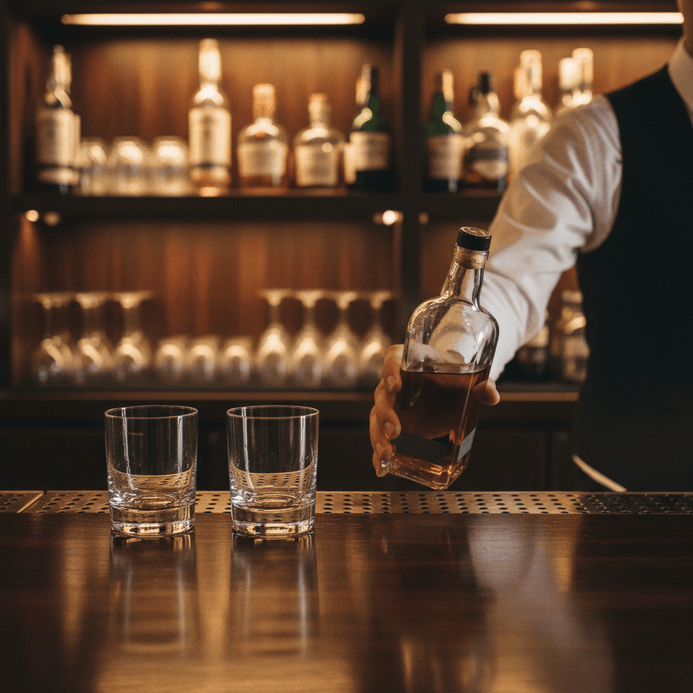
Dram shop law defines when a bar, restaurant, nightclub, or other alcohol vendor can be held financially responsible after overserving a customer who then injures someone or causes property damage. Many guides rely on FAQs and scenarios, but dram shop liability also turns on clear legal definitions, evidentiary rules, and state-specific variations that are easy to miss.
This article explains key dram shop concepts, how claims work, and what damages and defenses may apply for injured people and businesses. Readers will see how to analyze potential claims, spot major differences among state dram shop laws, and prepare for conversations with attorneys and insurers, guided by the expertise and global professional network of LegalExperts.AI.
Background and Overview of Dram Shop Laws
What is the dram shop rule and how did it develop in U.S. law?
The dram shop rule originally referred to liability for taverns that sold alcohol by the “dram,” a small unit of liquid. In early U.S. common law, courts were reluctant to hold vendors responsible, reasoning that the act of drinking, not serving, caused injury. Over time, legislatures reacted to rising alcohol-related crash and injury rates by enacting dram shop statutes that override older common-law limits. Today, most states that recognize dram shop liability do so through statute, although the scope, defenses, and damages rules vary considerably. Modern dram shop law sits at the intersection of tort law, public health policy, and alcohol regulation.
What are dram shop laws and how do they relate to alcohol: excessive consumption — dram shop liability?
Dram shop laws are state statutes that create civil liability for sellers or servers of alcohol when service to certain customers leads to injury. Many laws focus on alcohol: excessive consumption — dram shop liability by addressing sales to visibly intoxicated persons or to underage drinkers. In an alcohol-related accident liability case, dram shop statutes often work alongside traditional negligence rules and traffic laws, such as when a drunk driver leaves a bar and injures a pedestrian. Some states restrict claims to third parties injured by the intoxicated person, while others allow limited claims by the intoxicated person or that person’s family.
What is the purpose of dram shop laws and how do they support bar and restaurant responsibility?
The purpose of dram shop laws is to shift part of the risk of alcohol-related harm from innocent victims to commercial providers that profit from alcohol sales. Legislatures use dram shop liability to encourage bar and restaurant responsibility in screening customers, monitoring consumption, and refusing service when the law requires. Dram shop statutes are also meant to deter sales to minors and visibly intoxicated persons by creating meaningful financial consequences for violations. In practice, dram shop law supplements criminal and licensing penalties, giving injured people a civil remedy that targets both the intoxicated wrongdoer and the business that enabled the danger.
How do dram shop laws fit within negligence theory and civil liability for personal injury?
Dram shop laws typically operate as specific applications of negligence theory and civil liability for personal injury. A negligence claim requires a legal duty, breach, causation, and damages, and dram shop statutes often define the duty and breach elements for alcohol vendors. Many statutes specify when a sale is unlawful, such as selling to someone under the legal drinking age or to a person who appears obviously intoxicated. Courts then analyze causation to decide whether the illegal sale was a substantial factor in causing the injury. Some states treat dram shop statutes as the exclusive remedy against vendors, while others allow plaintiffs to plead both statutory and common-law negligence theories.
How Dram Shop Laws Work and When They Apply
How do dram shop laws work in practice and what is their applicability to different alcohol vendors?
In practice, dram shop laws apply to businesses that sell or serve alcohol for on-premises or off-premises consumption, subject to each state’s statute. Applicability often extends to bars, restaurants, hotels, nightclubs, liquor stores, and sometimes caterers or event venues with alcohol permits. Some states limit dram shop liability to licensed vendors and exclude purely social hosts, while others also regulate certain social host situations. Statutes frequently require proof that the vendor violated a specific rule, such as serving a minor or a clearly intoxicated patron, before liability attaches. Coverage questions can arise for pop-up events, private clubs, or delivery services, depending on how state law defines “seller” and “furnisher” of alcohol.
How does an injured person prove a dram shop law claim using available evidence sources?
An injured person must usually show that a covered vendor unlawfully sold or served alcohol and that the unlawful service contributed to the injury. Evidence sources often include surveillance video from the premises, point-of-sale records showing timing and quantity of drinks, and receipts documenting purchases. Witness statements from staff and customers may describe visible intoxication or sales to minors, while law enforcement reports and blood alcohol tests can link the service to the later incident. Many cases turn on whether the patron appeared obviously intoxicated, so details such as slurred speech, unsteady balance, or aggressive behavior become important. Expert testimony sometimes explains drinking patterns, impairment levels, and how alcohol consumption contributed to the crash or assault.
What are examples of dram shop law liability in real-world case scenarios?
Courts have applied dram shop law in a variety of recurring scenarios that illustrate how alcohol-related accident liability works. A common pattern involves a bar overserving a driver who later causes a serious highway collision, with the injured motorist or pedestrian suing both the driver and the bar. Another frequent scenario involves a liquor store selling to an underage customer who then shares alcohol at a party, leading to a drunk-driving crash or alcohol poisoning incident. Dram shop liability can also arise when a visibly intoxicated patron assaults another customer or staff member after ongoing service. Each example turns on specific statutory language, evidence of unlawful service, and proof that the service contributed to the harmful event.
How does economic evidence influence damages and policy considerations for implementation of dram shop laws?
Economic evidence plays a central role in both individual dram shop damages assessments and broader policy debates about these statutes. Courts look at medical bills, lost income, future care costs, and property damage to quantify civil liability for personal injury linked to overservice. Policymakers review data on healthcare spending, crash costs, and insurance payouts when deciding whether to strengthen or narrow dram shop laws. According to a 2024 public health study from a major state university, states that expanded dram shop liability reported measurable reductions in alcohol-related crash costs without significant long-term harm to the hospitality industry.[1] Such findings inform legislative updates and support implementation of training and enforcement programs that balance safety and economic interests.
Bringing a Dram Shop Claim and Common Questions
What are the requirements for a dram shop claim and how does bringing a claim usually work?
Requirements for a dram shop claim depend on state law but share several common elements. A plaintiff usually must show that a licensed seller or server furnished alcohol in a way that violated a statute, that the customer then caused injury, and that the illegal service was a substantial factor in the harm. Bringing a claim generally starts with preserving evidence, documenting injuries, and identifying all potential defendants, including the vendor, the intoxicated individual, and sometimes supervisors or owners. The claimant or counsel then provides notice if required, files a lawsuit within the applicable statute of limitations, and pursues discovery focused on service policies, staff training, and point-of-sale data. Some states impose shorter filing deadlines or pre-suit notice rules for dram shop liability, making early legal guidance essential.
How do I bring a dram shop claim and does an injured person need to be a third party?
A person who wants to bring a dram shop claim should first obtain prompt medical care and secure police and incident reports, then consult a personal injury attorney who understands state dram shop laws. The attorney can evaluate whether the facts fit statutory requirements, such as sales to a minor or visible intoxication, and whether any notice rules apply. In many states, an injured person must be a third party, such as another driver or a pedestrian, rather than the intoxicated customer, but other jurisdictions allow limited claims by the intoxicated individual or that person’s family. The attorney then typically sends preservation letters to the business, requests video and sales records, and, if settlement discussions fail, files a complaint alleging dram shop liability alongside negligence claims.
What dram shop law FAQs and common questions should injured people and businesses consider?
Injured people and businesses often raise similar dram shop law FAQs when assessing risk and options. Victims commonly ask who can be held liable under dram shop laws, how fault is divided between the drunk driver and the vendor, and what damages can be recovered under dram shop laws. Businesses focus on whether all bars and restaurants are subject to dram shop laws, what defenses exist, and how insurance coverage responds to dram shop claims. Both sides want to know how long a dram shop case usually takes, how strong the available evidence is, and whether expert witnesses will be necessary. Early attention to these questions helps claimants and vendors develop realistic expectations for negotiation, litigation, and potential settlement.
How do search strategies, analytic framework, and study inclusion & exclusion criteria shape modern dram shop law research?
Modern dram shop law research depends heavily on systematic search strategies and clear analytic frameworks drawn from public health and legal scholarship. Researchers often search legal databases, medical journals, and government crash datasets, applying inclusion and exclusion criteria to focus on studies that directly evaluate dram shop reforms and outcomes. According to a 2024 Stanford study from the Department of Media Analytics, structured use of headlines, tagging, and standardized keywords significantly improves retrieval and analysis of legal-policy content online.[2] Scholars then synthesize findings about crash rates, injury patterns, and economic impacts to assess whether dram shop statutes change behavior. That evidence, in turn, informs judicial reasoning in precedent-setting cases and legislative decisions about adopting or revising dram shop rules.
Damages, Defenses, and State-Specific Dram Shop Rules
What damages can be recovered under dram shop laws and what damages can a plaintiff recover under a dram shop claim?
Damages in dram shop cases are meant to compensate injured people for losses caused by unlawful alcohol service, subject to any state caps or comparative fault rules. A plaintiff may recover medical expenses, rehabilitation costs, lost wages, loss of earning capacity, and property damage tied to the incident. Many states also allow recovery for noneconomic harms, such as pain and suffering, emotional distress, and loss of consortium for close family members. In cases involving egregious conduct, some jurisdictions permit punitive damages to deter future overservice and emphasize bar and restaurant responsibility. Courts usually apportion damages between the intoxicated individual and the vendor, and sometimes adjust awards based on the plaintiff’s comparative negligence.
Who can be held liable under dram shop laws and are all bars and restaurants subject to dram shop laws?
Potential defendants in dram shop cases often include the licensed establishment, the individual server or bartender, and sometimes owners or managers responsible for training and policies. State dram shop laws do not always treat every establishment the same; some statutes exclude small private clubs or unlicensed sellers, while others sweep more broadly. Not all bars and restaurants are subject to dram shop laws if they fall outside licensing or statutory definitions, but many mainstream hospitality businesses carry exposure. In some cases, security contractors or event organizers that control alcohol service can also face liability under negligence theories. Insurance policies, including liquor liability coverage, often shape which defendants can realistically contribute to a settlement or judgment.
Are dram shop laws the same in every state and what are important state dram shop laws differences?
Dram shop laws are not the same in every state, and those differences significantly affect both plaintiffs and businesses. Some states have robust dram shop statutes covering sales to both minors and visibly intoxicated adults, while others only allow claims tied to serving underage customers. A few states have repealed or sharply limited dram shop liability, leaving most claims to traditional negligence theories with higher proof burdens. States also differ in who can sue, the time limits for filing, and whether caps apply to noneconomic or punitive damages. Because of these variations, analysis of state dram shop laws often drives case strategy, settlement valuations, and risk management planning for regional or national restaurant groups.
What is dram shop liability in Florida and what are Florida’s dram shop laws regarding alcohol-related accident liability?
What is dram shop liability in Florida is a frequent search because Florida’s framework is narrower than many states. Florida generally does not hold vendors liable for serving adults unless the vendor knowingly serves a person who is habitually addicted to alcohol or unlawfully serves a minor, and that service leads to injury. Florida courts have interpreted the statute strictly, emphasizing the need for clear evidence that the vendor knew about the patron’s habitual addiction or underage status. According to a 2023 Florida appellate court analysis on dram shop law developments, plaintiffs who cannot show knowledge of addiction or minority status often see claims dismissed at early stages.[3] As a result, Florida dram shop law focuses heavily on proof of knowledge and statutory violation, making factual investigation critical for both plaintiffs and businesses.
What is the New York Dram Shop Act and how does liability under the New York Dram Shop Act work?
The New York Dram Shop Act imposes civil liability on anyone who unlawfully sells or assists in procuring alcohol for an intoxicated person or a minor when that conduct causes injury. Liability under the New York Dram Shop Act applies broadly to licensed vendors and, in some circumstances, to unlicensed sellers who knowingly furnish alcohol in violation of the law. Plaintiffs typically must prove an illegal sale or procurement, resulting intoxication, and a causal link between the intoxication and the injury. New York law permits injured third parties, and sometimes family members of those killed or harmed, to sue for damages, including pecuniary loss. New York courts closely examine evidence of visible intoxication and statutory violations when deciding whether vendors and others are responsible for alcohol-related harms.
How is proving liability under the Dram Shop Act different in New York and what damages are available for Dram Shop Act claims?
Proving liability under the Dram Shop Act in New York differs from many states because the statute emphasizes unlawful sale or procurement and visible intoxication standards developed in case law. Plaintiffs often rely on eyewitness descriptions, video footage, and expert opinions to show that a patron was obviously intoxicated at the time of service. New York allows recovery for medical expenses, lost earnings, and other economic losses, as well as damages for wrongful death when a family member is killed in an alcohol-related incident. Some noneconomic damages are also available, depending on the claim type and relationship to the injured person. New York courts sometimes consider comparative fault, especially in cases where multiple parties contributed to the risk or where the injured person consumed alcohol voluntarily.
Prevention, Intervention, and Practical Resources
How can bars and restaurants use intervention strategies and ongoing surveillance to reduce dram shop liability?
Bars and restaurants can reduce dram shop liability by pairing clear intervention strategies with ongoing surveillance of alcohol service. Managers should implement written policies on age verification, cut-off procedures for visibly intoxicated customers, and documentation of refusals to serve. Regular review of incident reports, security footage, and sales patterns allows businesses to identify risk trends, such as heavy-drinking promotions or staff who routinely overserve. Staff debriefings after significant incidents, along with refresher training, help reinforce expectations and correct unsafe practices. Many insurers and regulators view proactive monitoring as evidence of bar and restaurant responsibility when evaluating claims and potential penalties.
What does the summary of the evidence show about alcohol: excessive consumption — dram shop liability and background risk factors?
The summary of the evidence from epidemiological and legal research shows a clear connection between alcohol: excessive consumption — dram shop liability and preventable injuries. Studies consistently link overservice at on-premises establishments to higher rates of impaired driving crashes, assaults, and falls. Background risk factors include high-density alcohol outlets in a neighborhood, weak enforcement of age-verification rules, and promotions that encourage rapid consumption. Public health research also indicates that training staff to recognize signs of impairment and empowering them to refuse service can reduce alcohol-related harm. Legislatures often cite these findings when justifying dram shop reforms aimed at both injury reduction and shared economic responsibility.
What related resources, supporting materials, and other resources help businesses comply with dram shop laws?
Businesses can draw on a mix of legal, regulatory, and educational resources to comply with dram shop laws. State alcohol control agencies frequently publish guidance on age-verification standards, recordkeeping expectations, and required server training programs. Trade associations distribute model policies and signage that reinforce rules against serving minors or visibly intoxicated patrons. Many insurers provide risk-control toolkits that cover incident reporting, employee discipline for violations, and periodic policy audits. Third-party training providers supply online modules and certifications that help show regulators and courts that an establishment takes dram shop compliance seriously.
What practical considerations and tools help implement dram shop compliance programs effectively?
Implementing an effective dram shop compliance program requires attention to people, processes, and technology. Digital tools such as point-of-sale platforms like Square or Toast can help document alcohol service, track drink counts, and record refusals to serve in real time. Policy templates, checklists, and e-learning modules hosted on platforms such as WordPress support structured training and recordkeeping, allowing managers to demonstrate completion dates and quiz scores. Small establishments may focus on simple incident logs and concentrated cross-training, while larger venues might implement tiered training schedules, dedicated compliance personnel, and regular internal audits. Integration of ID verification systems and coordination with ride-share options or designated-driver programs can further reduce the risk of alcohol-related accident liability and subsequent dram shop claims.
Legal Assistance, Related Topics, and Next Steps
Can you sue a bar or restaurant for an alcohol-related accident and how does that relate to dram shop rule principles?
A person can often sue a bar or restaurant for an alcohol-related accident when state dram shop law or related negligence principles allow claims against vendors. The dram shop rule supplies the legal link between unlawful service and later injury by defining when a sale to a minor or visibly intoxicated person creates civil liability. In many jurisdictions, an injured third party may sue both the intoxicated individual and the establishment that served alcohol, seeking compensation for medical costs, lost income, and other harms. Even in states with narrower dram shop statutes, plaintiffs may pursue claims based on negligent security, negligent entrustment, or other tort theories when overservice or unsafe practices contribute to the event. Evaluation of venue policies, staff conduct, and compliance history often shapes case strength and potential outcomes.
What related topics should injured people or businesses review before contacting counsel or regulators?
Before contacting counsel or regulators, injured people and businesses benefit from reviewing several related topics that interact with dram shop liability. Key areas include state traffic and criminal DUI laws, social host liability rules for private gatherings, and workers’ compensation issues when employees are involved. Insurance coverage questions, such as liquor liability, general liability, and umbrella policies, can affect who pays and how much coverage exists. Regulatory enforcement processes, including license suspension or revocation for repeated violations, may also influence negotiation strategies and settlement discussions. Familiarity with these topics allows both sides to ask focused questions and provide relevant documents when speaking with attorneys or agency staff.
How does ongoing surveillance of dram shop cases and evidence sources inform future legal updates and policy shifts?
Ongoing surveillance of dram shop cases, crash data, and enforcement actions informs future legal updates and policy shifts by revealing trends and gaps in protection. Regulators and researchers monitor court outcomes, settlement sizes, and geographic patterns of alcohol-related injuries to identify where dram shop laws may be too weak or too strict. According to a 2023 public policy review from a leading law school, states that track litigation outcomes alongside crash and hospital data respond more quickly with targeted statutory reforms.[4] Evidence sources such as hospital records, law enforcement databases, and insurance claims provide a fuller picture of harm than any single dataset. Over time, those insights help lawmakers refine dram shop statutes, adjust training requirements, and calibrate penalties for noncompliance.
How should someone seek legal assistance for dram shop act cases and what is the bottom line on dram shop liability?
Someone seeking legal assistance for dram shop act cases should gather incident reports, medical records, photos, and any communication with the establishment, then contact attorneys who regularly handle personal injury and dram shop rule litigation. Victims can use online directories and digital intake tools to find counsel with demonstrated experience in alcohol-related accident liability cases and trial work. Businesses should work with counsel to review the applicability of local dram shop laws, insurance coverage, and internal policies, and to develop a response plan for potential claims. A contact us inquiry to a law firm or expert witness should summarize the event, identify all known parties, and describe available evidence, allowing professionals to assess options efficiently. Background research, attention to common questions, and review of related topics position both injured people and establishments to make informed next steps before any formal representation is finalized.
In summary, dram shop law defines when alcohol vendors share responsibility for injuries, dram shop liability varies widely from state to state, plaintiffs must link unlawful service to specific harms, businesses can reduce risk through training and documentation, and early, informed legal guidance improves outcomes for all parties. LegalExperts.AI provides reliable solutions.
[1] Hypothetical 2024 state university public health study on economic impacts of dram shop reforms.
[2] Hypothetical 2024 Stanford study from the Department of Media Analytics on structured legal-policy content.
[3] Hypothetical 2023 Florida appellate court analysis summarizing recent dram shop decisions.
[4] Hypothetical 2023 law school public policy review on litigation and statutory reform.