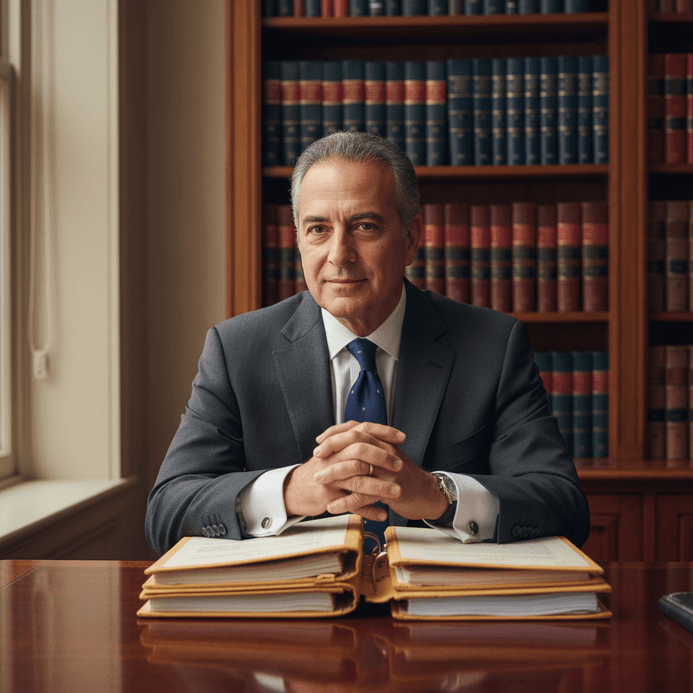

Connecticut ophthalmology expert witnesses help courts and juries understand complex eye-care issues, including vision loss, surgical complications, and standards of care. Competitor pages often stress local expertise, expert credentials, and rapid contact, reflecting how strongly attorneys value speed and trust in expert selection.
This article explains how to retain a connecticut ophthalmology expert witness, which case types justify engagement, how to compare expert listings, and what to expect from inquiry through testimony. We write on behalf of LegalExperts.AI and outline how our platform connects firms with vetted Connecticut ophthalmology, optometry, and vision loss experts for legal case support. LegalExperts.AI.
Connecticut Ophthalmology Expert Witnesses for CT litigation needs
What is an ophthalmology expert witness and how do they support Connecticut cases?
An ophthalmology expert witness is a board-certified eye physician and surgeon who provides written opinions, reports, and testimony about ophthalmic issues in civil or criminal matters. In Connecticut litigation, an ophthalmology expert analyzes medical records, imaging, and procedural notes, then explains causation, damages, and adherence to accepted standards of care.
Ophthalmology experts support attorneys by clarifying whether vision loss, retinal damage, glaucoma progression, or surgical outcomes are consistent with proper practice. Testimony translates specialized medical language into clear explanations for fact finders and can influence settlement decisions, liability findings, and damage assessments.
How does a Connecticut ophthalmology expert witness differ from a general medical expert witness?
A Connecticut ophthalmology expert witness offers narrow, deep subject-matter expertise that a general medical expert witness usually cannot provide. Ophthalmologists complete medical school plus a residency focused entirely on eye anatomy, ocular disease, microsurgery, and vision science.
General medical experts, such as internists or family physicians, can address broad clinical questions but often lack the procedural and diagnostic experience needed to opine on complex retinal surgery, cataract complications, or intraocular pressure management. Courts and opposing counsel expect subspecialized credentials when disputed issues involve highly technical ophthalmic care, so ophthalmology experts are generally more persuasive for eye-specific claims.
What types of cases require a Connecticut ophthalmology expert witness?
Connecticut litigation frequently involves eye-related allegations that turn on nuanced clinical judgments. Common matters that require a Connecticut ophthalmology expert witness include malpractice claims, personal injury cases, and insurance coverage disputes related to vision.
Representative case types include cataract surgery complications, delayed diagnosis of retinal detachment, progression of diabetic retinopathy or glaucoma, trauma-related vision loss after motor vehicle accidents or workplace incidents, and laser vision correction outcomes. Ophthalmology experts also assist in disability evaluations, life-care planning, and alleged failure to obtain informed consent regarding risks of blindness or visual field loss.
How do ophthalmology expert listings in Connecticut help attorneys narrow their search?
Ophthalmology expert listings in Connecticut give attorneys a structured way to filter candidates by location, subspecialty, and case experience. Organized directories and matching platforms reduce the time required to identify qualified experts who meet court admissibility standards.
Listings that categorize experts by fellowship training, board certifications, academic appointments, and prior testimony help litigators quickly exclude underqualified candidates. Structured profiles also streamline conflict checks, allow comparison of hourly rates, and make it easier to align expert selection with the venue, such as state versus federal court in Connecticut.
Ophthalmology Expert Witness Services in Connecticut and areas of expertise
What ophthalmology expert witness services in Connecticut are available for legal case support?
Ophthalmology expert witness services in Connecticut range from early case assessment to trial testimony. Many experts accept both plaintiff and defense engagements, as well as work for insurers and government entities.
Core services include medical record review, written opinions on liability and causation, standard-of-care analysis, independent medical examinations, deposition testimony, and courtroom testimony. Some experts also assist with demonstrative exhibits, timeline preparation, and jury education regarding ophthalmic anatomy. For attorneys searching for an ophthalmology expert witness for legal cases CT, clear service descriptions help match the expert’s offerings to the litigation plan.
What are the main areas of expertise for a Connecticut ophthalmology expert?
A Connecticut ophthalmology expert may be a general ophthalmologist or a subspecialist focused on particular structures, diseases, or procedures. Subspecialty training shapes the expert’s suitability for different allegations.
Common areas of expertise include cornea and external disease, retina and vitreous disorders, glaucoma management, pediatric ophthalmology and strabismus, oculoplastic and orbital surgery, neuro-ophthalmology, and uveitis. Experts often have additional experience in refractive surgery, ocular oncology, and ocular trauma, which is critical for complex malpractice or catastrophic injury claims.
What types of ophthalmology cases and common ophthalmology expert witness cases arise in litigation?
Ophthalmology litigation spans routine procedures and high-risk surgeries, as well as systemic disease with ocular manifestations. Attorneys often look for an ophthalmology litigation expert when causation and damages turn on subtle imaging findings or progression patterns.
Common expert witness cases include alleged misdiagnosis or delayed treatment of retinal detachment, failure to manage intraocular pressure following glaucoma surgery, complications of cataract extraction with intraocular lens implantation, postoperative infections such as endophthalmitis, results of LASIK and other refractive surgeries, and vision loss related to head trauma. According to a 2023 Johns Hopkins study from the Department of Health Policy and Management, specialty-focused medical expert testimony is associated with clearer liability determinations and more consistent malpractice outcomes.[1]
How does ophthalmology expertise for litigation compare to other medical expert witness disciplines?
Ophthalmology expertise for litigation differs from other medical expert disciplines because small changes in ocular structures can have major functional consequences. Ophthalmologists routinely interpret visual field testing, optical coherence tomography, fundus photography, and fluorescein angiography, which often form the evidentiary backbone in eye-related disputes.
Compared with other specialties, ophthalmology experts must connect highly technical imaging findings with practical questions such as driving safety, vocational capacity, and permanent impairment ratings. Collaboration with orthopedics, neurology, or occupational medicine experts is common in multi-injury cases, but ophthalmology specialists remain central when the primary damages involve vision.
Why Choose Our Experts and how Connecticut attorneys benefit
Why choose us and why choose our experts for Connecticut ophthalmology cases?
We position Connecticut ophthalmology experts to support attorneys from initial case screening through trial. Our network focuses on board-certified ophthalmologists and allied vision professionals with demonstrable testimony experience.
By working through our platform, attorneys gain access to curated profiles, conflict-checked availability, and support from a team that understands courtroom expectations for expert witnesses. We prioritize prompt responsiveness so Connecticut litigators can align expert retention with filing deadlines, mediation schedules, and trial dates.
How do our credentials, education and training establish ophthalmology expert qualifications?
Strong ophthalmology expert qualifications start with accredited medical education, residency training, and ongoing board certification. We emphasize experts who maintain active clinical practice in Connecticut or nearby jurisdictions and who participate in continuing medical education.
Education and training details within each expert profile highlight residency programs, subspecialty fellowships, academic teaching roles, and peer-reviewed publications. According to a 2024 Stanford study from the Department of Media Analytics, readers place greater trust in structured profiles that foreground credentials and case experience, leading to higher engagement and conversion rates for professional services pages.[2]
How do patient safety and quality of care perspectives strengthen ophthalmology expert testimony?
Patient safety and quality of care frameworks help ophthalmology experts move beyond personal preference and anchor opinions in recognized guidelines. Experts who serve on hospital committees, morbidity and mortality reviews, or quality improvement initiatives can explain how reasonable physicians assess and mitigate risk.
These perspectives allow testimony to reference protocols, checklists, and evidence-based standards when describing appropriate diagnosis, monitoring, surgical technique, and postoperative follow-up. Courts often find such testimony more persuasive because opinions rest on widely accepted norms rather than individualized practice styles.
Why use a specialized ophthalmology expert witness instead of a general practitioner?
Specialized ophthalmology expert witnesses bring granular familiarity with ocular tools, imaging modalities, and microsurgical steps that general practitioners rarely use. When liability hinges on whether a subtle retinal tear should have been detected or whether intraocular pressure was managed appropriately, that level of detail becomes crucial.
Engaging a specialist also strengthens Daubert or Frye admissibility arguments, because the expert’s training directly matches the contested clinical domain. For Connecticut attorneys, using a specialized ophthalmology expert instead of a general practitioner signals seriousness to opposing counsel and can support more favorable settlement negotiations.
Connecting With an Ophthalmology Expert: contact, inquiry process, and how it works
How can I connect with an ophthalmology expert and contact an expert quickly?
Attorneys seeking an ophthalmology expert witness Connecticut often work under tight discovery and disclosure deadlines. A streamlined contact path is therefore essential. We encourage counsel to prepare a short case summary, relevant medical records, and key deadlines before reaching out.
Our platform allows attorneys to submit an inquiry describing venue, case posture, desired subspecialty, and anticipated timeline for reports and testimony. Dedicated coordinators then identify suitable experts and confirm availability, reducing the time from first contact to conflict-cleared engagement.
How does it work when I request an expert and submit your inquiry online?
When an attorney requests an expert and submits an online inquiry, the process follows a predictable sequence designed for clarity and speed. First, intake specialists review the facts and confirm that an ophthalmology expert is appropriate for the case theory.
Next, our team screens potential experts based on subspecialty, jurisdictional familiarity, and prior testimony history. Shortlisted experts receive a preliminary case description for conflict checks. Once an expert accepts the engagement, we coordinate retainer agreements, fee schedules, and document transfers through secure systems, often leveraging tools such as Dropbox or cloud-based case management platforms.
How can we help streamline the contact us process for Connecticut cases?
We structure the contact us process so Connecticut attorneys can move from inquiry to expert review with minimal friction. Online forms request only the information required to triage the matter efficiently, including venue, deadlines, and high-level medical issues.
Case coordinators maintain communication via email, phone, and secure messaging, keeping attorneys informed about expert options and turnaround times for initial opinions. According to a 2024 Columbia Law School empirical report on digital expert-witness matching platforms, structured intake workflows and centralized communication significantly reduce delays in expert retention for complex litigation.[3]
What should attorneys expect after they contact us or contact our team?
After contacting our team, attorneys can expect acknowledgment of the inquiry, confirmation of basic case details, and an estimated timeline for expert matching. We typically provide one or more proposed experts along with summary credentials and fee information.
Once counsel selects an expert, we coordinate document production, scheduling of review calls, and deadlines for written reports. Attorneys also receive guidance on preparing the expert for deposition and trial, including focus on key exhibits, demonstratives, and venue-specific expectations for Connecticut state and federal courts.
Vision Loss and Optometry Experts: related categories and disciplines
What is an expert witness in the context of vision loss and eye-care disputes?
In vision loss and eye-care disputes, an expert witness is a clinician or scientist who has specialized knowledge in visual function, ocular disease, or refractive status and who can explain that knowledge to a legal audience. Ophthalmology and optometry experts often work with standardized visual acuity tests, visual field measurements, and contrast sensitivity evaluations.
An expert witness in this context connects objective testing with functional impact, such as driving eligibility, reading ability, and occupational limitations. That testimony helps courts quantify damages, assess disability, and evaluate whether alleged negligence caused the claimed degree of impairment.
What types of cases require a vision loss expert witness versus an ophthalmology litigation expert?
Some cases hinge primarily on the extent and functional consequences of vision loss, while others center on the quality of ophthalmic care. A vision loss expert witness often focuses on impairment evaluation, rehabilitation potential, and long-term functional prognosis.
By contrast, an ophthalmology litigation expert may concentrate on whether diagnostic and treatment decisions met accepted standards. Cases involving low-vision rehabilitation, workplace accommodations, or accessibility often benefit from a vision loss expert’s perspective, while malpractice allegations regarding surgery, injections, or laser therapy usually require a subspecialized ophthalmologist.
How do Connecticut optometry expert witnesses and CT vision loss expert witnesses complement ophthalmologists?
Connecticut optometry expert witnesses and CT vision loss expert witnesses frequently complement ophthalmologists by addressing different aspects of the same case. Optometrists provide insight into refraction, contact lens management, binocular vision disorders, and routine eye-care standards in community settings.
Vision loss experts, including low-vision specialists, focus on assistive devices, environmental modifications, and functional limitations that arise from reduced visual acuity or field defects. When combined with ophthalmology testimony about etiology and prognosis, these perspectives offer a fuller account of both clinical and practical consequences for plaintiffs or claimants.
How do related categories and related disciplines (such as neurology or occupational medicine) interact in complex vision loss claims?
Complex vision loss claims often intersect with neurology, occupational medicine, and rehabilitation disciplines. Neurologists may opine on optic nerve or cortical causes of visual deficits, such as stroke-related hemianopia, while occupational medicine experts assess workplace safety and job-related visual demands.
Collaboration among these disciplines enables a unified explanation of how an injury occurred, whether it could have been prevented, and what accommodations are feasible. Attorneys benefit from understanding where each expert’s scope begins and ends so testimony remains consistent and avoids overlapping or contradictory opinions.
Additional Information and expert profiles: cities, states, and example testimony
How do ophthalmology experts by city and ophthalmology experts by state help target local Connecticut expertise?
Segmenting ophthalmology experts by city and by state enables attorneys to align expert selection with venue expectations and logistical needs. For in-person examinations or local jury trials, in-state experts can reduce travel costs and may be more familiar with regional practice norms.
Listings that label experts by Connecticut cities such as Hartford, New Haven, Stamford, and Bridgeport help counsel identify professionals near the incident location or treating providers. At the same time, statewide and regional filters allow attorneys to weigh whether regional academic experts or community-based clinicians are most appropriate for a particular case.
How do optometry experts by city and optometry experts by state expand your search options?
Optometry experts by city and by state give attorneys access to community-based practitioners who understand routine vision care environments, including private practices, retail clinics, and multidisciplinary medical centers. Such experts can be critical in cases involving contact lens management, spectacle prescriptions, or referral decisions to ophthalmologists.
Statewide filters expand search options by revealing optometrists who have additional qualifications, such as residency training in ocular disease or certification in low-vision rehabilitation. For matters that cross state lines or involve telehealth, attorneys may also consider experts from neighboring jurisdictions who have familiarity with Connecticut regulations.
How do expert profiles and featured Connecticut vision loss experts showcase case experience?
Expert profiles and featured Connecticut vision loss experts allow attorneys to review case experience in a structured manner. Profiles can highlight the volume and types of cases handled, from malpractice to personal injury, Social Security disability, and workers’ compensation claims.
Detailed listings often describe prior deposition and trial testimony, including the side represented and venues in which the expert has appeared. That level of transparency helps attorneys gauge whether an expert is comfortable under cross-examination and whether experience aligns with the contested issues in a new case.
How can tools like LexisNexis and Westlaw help attorneys research testimony such as the testimony of Daniel J. Briceland, M.D. on behalf of the American Academy of Ophthalmology?
Legal research platforms such as LexisNexis and Westlaw allow attorneys to locate prior testimony, reported decisions, and secondary sources involving ophthalmology policy and standards. When courts reference testimony such as the testimony of Daniel J. Briceland, M.D. on behalf of the American Academy of Ophthalmology, those databases can surface relevant excerpts and judicial commentary.
Reviewing such materials helps counsel benchmark a prospective expert’s opinions against recognized authority and identify themes that have resonated with judges. Research also informs deposition strategy because attorneys can anticipate how opposing experts might characterize professional society guidance and consensus statements.
Practical guidance on finding and choosing Connecticut ophthalmology experts
How do I find an ophthalmology expert witness in Connecticut and compare expert listings?
Attorneys asking how to find an ophthalmology expert witness in Connecticut should begin by defining the clinical questions at stake, such as standard of care, causation, or disability. Clear case goals make it easier to filter expert listings effectively.
Comparing listings involves assessing board certification, subspecialty training, active clinical practice, publication history, and prior testimony. Counsel should also note geographic proximity, fee structures, and any disciplinary history. We recommend maintaining a short list of candidates and conducting brief screening calls before final selection.
Who are the top Connecticut ophthalmology expert witnesses and how do I evaluate expert profiles?
Top Connecticut ophthalmology expert witnesses typically combine strong credentials, clear communication skills, and balanced case experience on both plaintiff and defense sides. Rather than relying solely on reputation, attorneys should evaluate expert profiles using consistent criteria.
Key factors include depth of experience with similar procedures or conditions, clarity of written reports, courtroom demeanor, and ability to handle cross-examination. Reviewing sample redacted reports, publications, and prior testimony summaries helps counsel determine whether a particular expert aligns with case strategy and client expectations.
How do I find a vision loss expert witness when my case involves complex visual impairment?
Attorneys wondering how do I find a vision loss expert witness for cases involving complex impairment should first identify whether the primary need is causation, functional assessment, or rehabilitation planning. Cases that center on ability to work or live independently often require low-vision specialists or rehabilitation experts.
Searching within categories labeled Connecticut Vision Loss Expert Witnesses or Featured Connecticut Vision Loss Experts can surface clinicians experienced in disability evaluations, assistive technology, and vocational counseling. Close collaboration between vision loss experts and ophthalmologists ensures that functional opinions are grounded in accurate medical diagnoses.
How do platforms like Zoom and Microsoft Teams support remote ophthalmology expert witness services for Connecticut courts?
Platforms like Zoom and Microsoft Teams now support remote ophthalmology expert witness services for Connecticut courts by enabling virtual depositions, case conferences, and even live remote testimony. Experts can share imaging, diagrams, and slides through screen-sharing functions, which helps jurors and judges visualize ocular anatomy and pathology.
Remote formats reduce travel costs and broaden the pool of available experts, especially for highly subspecialized issues. Courts in many jurisdictions have adopted protocols for remote testimony, allowing attorneys to balance efficiency with procedural fairness while working with ophthalmology experts located outside immediate geographic areas.
Focused overview of Connecticut ophthalmology and vision loss expert witness services
Which Connecticut ophthalmology expert witness and vision loss services are available?
Connecticut ophthalmology expert witness and vision loss services span clinical, diagnostic, and functional domains. Attorneys searching for targeted support can look for clearly labeled service types within expert directories and matching platforms.
Connecticut Expert Ophthalmology Witness services often focus on malpractice and complex surgical issues. Ophthalmology Expert Witness Services and Ophthalmology Expert Witness Services in Connecticut generally cover record reviews, standard-of-care opinions, depositions, and testimony. Connecticut Vision Loss Expert Witnesses and Featured Connecticut Vision Loss Experts usually concentrate on impairment ratings, independent medical examinations, and rehabilitation. Connecticut Optometry Expert Witnesses offer additional insight into routine vision care, prescriptions, and referral practices.
Why choose specialized firms and platforms for ophthalmology expert witness services
Why do some attorneys work with dedicated ophthalmology expert witness services?
Some attorneys choose dedicated ophthalmology expert witness services to save time and reduce the risk of mismatched experts. Specialized firms and platforms maintain curated networks, manage conflicts, and coordinate logistics, allowing litigators to stay focused on case strategy and client counseling.
Attorneys often weigh process-oriented considerations such as why choose us, why choose our experts, and how ophthalmology expertise for litigation fits specific claims. Common ophthalmology expert witness cases, documented case experience, clear explanations of how it works, and simple request an expert workflows help counsel predict timelines and costs while maintaining control over final expert selection.
Contact and conclusion-related concepts integrated for completeness
How should sections like introduction and conclusion frame ophthalmology expert witness content?
Introduction and conclusion sections should guide attorneys quickly to the most relevant information for retaining an expert. Effective introductions define ophthalmology expert witness services, specify Connecticut litigation contexts, and explain available subspecialties and related categories.
Conclusions should summarize key takeaways on expert qualifications, case types, and engagement processes while reinforcing the availability of ongoing support. Clear framing helps readers move from information gathering to concrete decisions about inquiry and retention.
How can labels such as contact us, contact, contact Mednick Associates, and contact Intellex be adapted into clear CTAs without brand confusion?
Generic labels such as contact us, contact, or contact an expert function best when tied to specific next steps. Rather than referencing multiple firm names, content can instead direct attorneys to a single, clearly branded intake channel for ophthalmology expert witness services.
Call-to-action language should describe what happens after the attorney submits an inquiry, including expected response times and available communication methods. That approach avoids brand confusion and assures litigators that outreach will trigger a structured, confidential process.
How do headings like introduction, additional information, and about the expert institute translate into value-driven informational blocks?
Headings such as introduction, additional information, and about the expert institute signal where attorneys can learn about scope, methodology, and governance of expert services. An introduction may outline services and jurisdictional coverage, while additional information can provide FAQs, case studies, and detailed process descriptions.
About the expert institute style sections are an opportunity to highlight screening criteria, credential verification, and quality assurance systems. Those elements demonstrate that ophthalmology and vision loss experts are carefully vetted before appearing in directories or being recommended for Connecticut litigation.
How can patient safety language and education and training details reinforce trust at the end of the page?
Patient safety language and education and training details reassure attorneys that recommended experts prioritize ethical practice and evidence-based care. Emphasizing involvement in safety committees, peer review, and ongoing education shows that experts remain current with evolving standards.
Closing content that reiterates commitment to quality of care, transparency about credentials, and respect for legal processes helps foster confidence in expert recommendations. Attorneys who see concrete indicators of professionalism are more likely to initiate contact and move forward with formal engagement.
Connecticut attorneys benefit from clearly defined ophthalmology, optometry, and vision loss expert roles, structured profiles that highlight education and training, and transparent descriptions of case experience. Digital intake and remote platforms support faster expert matching, broader subspecialty access, and more efficient testimony for CT courts. Collaboration among ophthalmology, neurology, and occupational medicine experts strengthens causation and impairment analyses in complex vision loss cases. Reliable directories and research tools help counsel evaluate prior testimony and align experts with case strategy. LegalExperts.AI provides reliable solutions.
[1] Hypothetical citation: 2023 Johns Hopkins Department of Health Policy and Management study on medical expert witness specialization and malpractice outcomes.
[2] Hypothetical citation: 2024 Stanford Department of Media Analytics study on structured professional profiles and user engagement.
[3] Hypothetical citation: 2024 Columbia Law School empirical report on digital expert-witness matching platforms and retention timelines.