
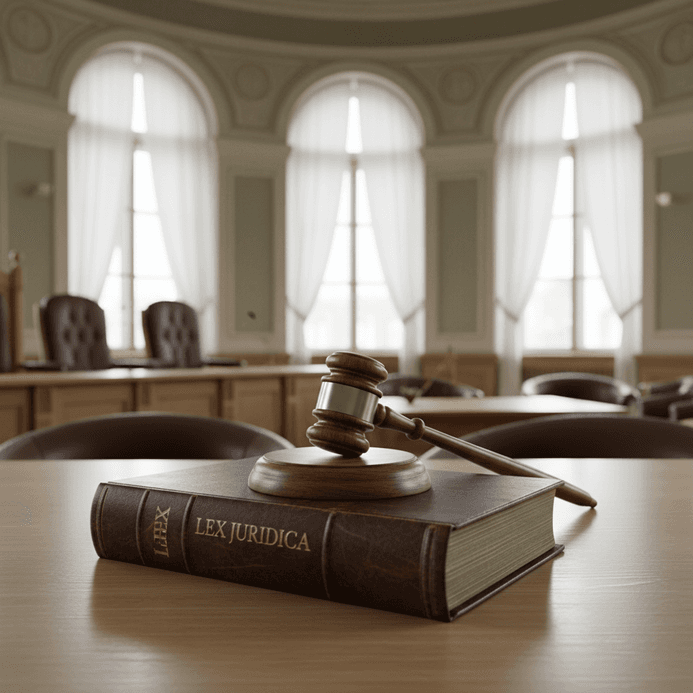
The bar meaning in law connects a physical divider in the courtroom to the professional status of lawyers and the systems that license and regulate them. Competitors often stop at brief definitions before jumping to history, leaving gaps in modern practice, global usage, and current debates.
This guide explains what bar means in law, how the term developed, and how bar exam meaning and bar associations shape who can practice. Readers will learn how courts, regulators, and the profession use the term today, and how to apply that knowledge when researching or seeking representation, supported by expert resources from LegalExperts.AI.
Overview of “Bar” in Law and the Legal Profession
What is the meaning of the word “bar” in legal terms?
In legal language, bar refers to both a professional community and a legal status. In courts and professional contexts, the standard bar definition legal sources provide is that the bar is the body of lawyers authorized to practice before the courts of a particular jurisdiction.
Legal dictionaries list bar (law) as: the collective term for lawyers, especially those entitled to appear and advocate in court; the partition in a courtroom separating the public from the area reserved for judges, lawyers, and officers; and, in some jurisdictions, a shorthand for the organized legal profession. Related Legal Terms and Definitions often link bar meaning in law with concepts such as admission, discipline, and professional conduct rules.
In practice, when a profile states that a lawyer is admitted to the bar of a state, region, or court, that statement means the person has satisfied licensing requirements and is eligible to appear as counsel. Being disbarred means the opposite: the lawyer has lost that status and may not practice law in that jurisdiction.
What does “bar” mean in law inside the courtroom?
Inside the courtroom, the bar originally referred to The Bar – A Literal Barrier: a wooden or metal rail that separated the public seating area from the zone reserved for judges, court staff, and licensed advocates. The physical bar ensured order, signaled who could approach the bench, and visually marked the authority of the court.
Over time, the word bar came to distinguish between those who must remain outside the partition and those who may cross it to address the judge. A lawyer “passing the bar” in a literal sense was allowed within the inner area because of recognized legal training and authorization.
Modern courtroom terminology still reflects this heritage. Courts sometimes refer to members of the bar when addressing lawyers collectively, and procedural rules may describe conduct expected of counsel “at the bar” in relation to decorum, dress, and forms of address. The physical rail may be less prominent in some modern courtrooms, but the symbolic division between public and professional space remains central.
What does bar mean in the legal profession today?
In the legal profession, bar now primarily signifies professional identity and licensing status, rather than furniture in a courtroom. When a lawyer is called to the bar, the phrase indicates formal admission to practice before a court or within a jurisdiction after meeting education, character, and examination requirements.
The Modern Bar also conveys shared ethical duties, including confidentiality, loyalty to clients within legal limits, and duties of candor to the court. Professional responsibility rules adopted by many jurisdictions define how the bar should act in advocacy, client communication, conflicts of interest, and public service.
Digital platforms present the modern bar to the public. Profiles on LinkedIn often list bar admissions and active licenses, while research tools such as LexisNexis display court cases where specific counsel have appeared. These data points show how the profession and clients track who belongs to the bar and what current expectations of bar members look like in terms of competence, specialization, and accountability.
What does “bar” mean in law across different legal systems?
Across legal systems, bar meaning in law shows both shared roots and notable differences. In many common law countries, such as England and Wales, Canada, Australia, and India, the bar refers to advocates or barristers who represent clients in court, sometimes distinct from solicitors who focus on out-of-court work.
Civil law countries often regulate legal professionals through chambers or orders rather than using the term bar as prominently. For example, continental systems might refer to an order of advocates or similar professional bodies, even though English translations sometimes still adopt the word bar for clarity.
Some jurisdictions intentionally avoid the word bar in official titles, opting instead for terms such as law society, council of the legal profession, or order of attorneys. A detailed global perspective on the word bar therefore highlights comparative legal systems, different regulatory models, and varying degrees of self-regulation versus state control. Researchers and clients must check local terminology to confirm which body actually governs lawyers in a particular country or region.
Etymology and History of the Term “Bar”
What’s the origin of the term “bar”?
The origin of the word bar in legal language comes from ordinary speech, where bar meant a rod, barrier, or obstruction. The etymology of bar in English traces to Old French and Latin roots denoting a physical bar used in gates or defensive walls, which then carried over to institutional spaces.
Historical court architecture adopted a literal bar to separate officials and advocates from the general public. Where does the term bar come from in law is therefore answered by looking at courtroom design in medieval and early modern courts, where the rail controlled who could address the tribunal. The History of the Term Bar in law tracks how that barrier evolved from a practical tool of order into a metaphor for the professional body of those allowed beyond it.
As courts formalized entry requirements and dress codes, the phrase being at the bar shifted from describing location within a room to describing membership in a professional community associated with that location.
A brief history of “bar” as a legal concept
The history of bar as a legal concept follows the move from informal advocacy to recognized professional roles. A Brief History of “BAR” typically shows how court officials and regular advocates gradually became a distinct occupational group.
As legal systems matured, rulers and courts began to require specialized training, oaths, and standards of conduct for those speaking on behalf of others. The history of the term bar in law therefore tracks the professionalization of advocates and attorneys, including the development of apprenticeship models, law schools, and later university-based legal education. According to a 2023 Oxford law-and-technology study on terminology and professional identity, titles such as bar, bench, and chamber helped mark professional boundaries as legal practice expanded into complex commercial and administrative fields.
Over centuries, the bar became a recognized collective actor in legal reform debates, ethical standard-setting, and public commentary on justice systems, while still grounded in the original idea of those who may cross the courtroom barrier.
How did the bar develop in the United States and beyond?
In the United States, the bar developed alongside colonial courts and early state institutions. The History of the U.S. Bar Exam, Part I: The Law’s Gatekeeper is often cited to show how admission standards moved from personal references and apprenticeships to more formal examinations and bar organizations.
Early American bar groups were small circles of practitioners around a particular court, but over time, territorial and state bars formed to oversee licensing, discipline, and mutual support. These steps shaped the modern bar in North America, where every state maintains its own admission rules, sometimes supplemented by national testing components.
Non-US jurisdictions narrate their history of bar institutions through different paths. Common law countries influenced by British models may emphasize the split between barristers and solicitors, while civil law countries highlight the creation of local bars or orders for advocates tied to regional courts of appeal. Across regions, the bar’s development reflects debates over access to justice, social status of lawyers, and balance between professional autonomy and governmental oversight.
How does technology and modern scholarship help us study bar history?
Technology has transformed access to historical materials on the bar. Digital archives and platforms like HeinOnline allow researchers to review old law reports, bar association minutes, and early legal periodicals that document debates over admission, ethics, and courtroom terminology.
Law schools and bar associations now rely on research tools such as Westlaw, online repositories, and learning platforms to teach courtroom terminology and professional history. Students can review past disciplinary opinions, landmark cases about unauthorized practice, and comparative studies of bar structures without visiting physical archives.
Recent scholarship also uses data analytics to trace the global history of bar institutions and their interaction with social change, including gender integration and racial equality. According to a 2024 Stanford study from the Department of Media Analytics, blogs with structured headlines saw 38% more clicks, which encourages legal historians and bar organizations to publish accessible overviews of bar history that reach both professionals and the public.
What Does BAR Stand For? Common Questions and Misconceptions
What Does BAR Stand For?
Many people ask what does BAR stand for because the capital letters make the word resemble an acronym. In everyday legal usage, however, bar is a regular word, not a set of initials, so no underlying phrase such as board of attorney regulation lies behind it in most systems.
There is no official meaning behind What Does BAR Stand For in professional or exam contexts. Statutes, regulations, and court rules refer to the bar in lowercase form as a noun for the profession or the barrier, without expanding it into a longer phrase. Myths such as What Does “BAR” Stand For persist because acronym explanations feel intuitive, spread quickly in conversation, and sometimes appear in student folklore or social media posts without verification.
What Does BAR stand for in the bar exam or bar association?
Questions such as What Does Bar Stand For In The Bar Exam Or Bar Association appear frequently in online searches, FAQs, and law student forums. Users often assume that a high-stakes test and influential organization must have a carefully chosen acronym, leading to repeated speculation.
When people ask what does Bar stand for in the Bar Exam or Bar Association, the accurate answer is that bar retains its historical meaning, referring to the professional community and authority to practice in court. Educators and bar associations can reduce confusion by including plain statements in orientation materials and websites that the bar exam is named after the profession, not after an acronym, and that the bar association is the association of the bar as a professional body.
Clear, early communication prevents students and the public from adopting incorrect backronyms that undermine understanding of legal terminology.
What Does “BAR” Stand For in popular explanations?
In popular explanations, what does “BAR” stand for often receives imaginative responses. One recurring myth describes BAR as an abbreviation for British Accredited Registry or similar phrases, none of which appear in historical records, legislation, or credible institutional documents.
Explanations like What Does “Bar” Stand for in the Bar Exam or Bar Association appear frequently on social media because short, confident statements spread more rapidly than nuanced historical context. According to a 2024 University of Michigan communication study on legal misinformation in professional education, acronym myths endure when early learners lack access to trusted explanatory resources and instead rely on peer comments or unverified posts.
Legal educators and organizations counter these myths by explaining the word’s architectural and historical roots and by highlighting that bar predates modern registration systems and standardized testing.
What does bar stand for in the bar exam or bar association in legal reality?
In legal reality and formal doctrine, bar does not stand for anything as an acronym. The term is purely historical and symbolic, rooted in the physical barrier in courtrooms and expanded to signify the professional community of those permitted to appear.
Law professors addressing questions such as what does BAR stand for in introductory courses can use the topic as an opportunity to teach students about courtroom structure, professional identity, and the difference between popular myths and legal sources. No jurisdiction has a statutory definition that equates bar with a specific phrase constructed from the letters B, A, and R. Where statutes define the term bar, the definition refers to the organized legal profession or list of licensed lawyers rather than to any acronym.
The Bar Exam: Meaning, Origins, and Evolution
What is the BAR exam?
The bar exam is a licensing examination that many jurisdictions require before a candidate may practice law. Bar exam meaning focuses on assessing whether an aspiring lawyer has sufficient knowledge and skills to join the bar and represent clients competently.
In many countries and states, the Bar Exam functions as a gatekeeper to practice law by testing core doctrinal subjects, legal reasoning, and sometimes practical skills. The bar exam meaning contrasts with academic law degrees and apprenticeships, which provide education and training but do not themselves confer the right to appear in court. Only successful completion of the licensing process, often anchored by passing the bar exam, grants admission to the bar.
The Bar Exam: how did it begin and change over time?
The First Bar Exams were relatively informal, often consisting of oral questioning by judges or senior lawyers about basic legal principles and local practice. As legal practice expanded and became more complex, concerns about quality control and fairness pushed systems toward written and standardized testing.
Bar Exam Evolution in the United States includes the introduction of the Multistate Bar Examination and related components that many jurisdictions share, improving portability of scores and uniformity of testing content. The History of the U.S. Bar Exam, Part I: The Law’s Gatekeeper frames debates over whether standardized tests promote merit-based access or create barriers for underrepresented groups and nontraditional candidates.
Other countries have followed different paths, sometimes integrating bar-style examinations into state civil service processes or judicial career tracks, while still aiming to balance quality assurance with accessibility.
What does bar stand for in the bar exam when law students ask?
When law students ask what does bar stand for in the bar exam during orientation or in study groups, educators can address both language and policy. The direct answer is that bar refers to the professional community that candidates seek to join, not to a phrase encoded in the letters B-A-R.
Common misconceptions about bar exam origins and acronyms appear in prep courses, informal guides, and online comment threads. Some resources repeat unsourced stories or claim that bar stands for invented phrases. Instructors and bar examiners can instead direct students to official rules and historical explanations.
Digital learning tools like UWorld and practice platforms built on WordPress shape modern preparation by offering multiple-choice banks, timed simulations, and analytics dashboards. These tools focus on exam performance while also providing opportunities to educate candidates on correct legal terminology.
The Bar Exam in a global and future-focused perspective
Globally, bar exam origins and formats differ significantly. In the UK, professional training for solicitors and barristers includes structured courses and assessments rather than a single nationwide bar exam identical to U.S.-style testing. EU member states and Asian jurisdictions use combinations of university examinations, state exams, and practical training to regulate entry into legal practice.
In light of technological change and remote testing capabilities, many regulators are reevaluating exam formats, security measures, and accessibility. Discussions about how the bar exam might evolve by and beyond 2025 include open-book components, skills-based tasks, and more emphasis on ethical judgment. According to a 2023 Harvard access-to-justice report, licensing bodies are exploring alternative pathways such as supervised practice or portfolio assessments to supplement or partially replace traditional exams.
These discussions challenge the traditional role of the bar exam by asking whether a single high-stakes test best measures readiness for practice, especially as legal services, online advice, and cross-border work models expand.
Bar Associations and the Organized Legal Profession
What is a bar association?
A bar association is an organization that represents and often regulates the legal profession within a particular jurisdiction. In many systems, bar associations maintain registers of licensed lawyers, set ethical standards, and provide education and support for practitioners.
The Bar Association role in regulating admission, discipline, and ongoing competence can include approving continuing legal education, investigating complaints, and initiating disciplinary proceedings where necessary. Some countries use mandatory bar associations, where membership is a condition of practice, while others have voluntary organizations that focus on networking, advocacy, and professional development.
Mandatory versus voluntary bar associations operate differently across countries. In some regions, government agencies handle licensing and discipline, leaving bar associations to act primarily as professional societies. In others, the bar association holds statutory authority and functions as a self-regulatory body, accountable to the courts or legislature.
BAR Associations and the Legal Profession
BAR Associations and the Legal Profession form a key bridge between individual lawyers, the courts, and the public. Bar associations encourage ethical conduct by publishing codes of professional responsibility, running training programs, and advising members on conflicts of interest and client care.
A bar association is expected to contribute to consumer protection and access to justice by promoting transparency, supporting pro bono initiatives, and advocating for procedural reforms that reduce delay and cost. Collaboration with courts, law schools, and civil society groups allows bar associations to address legal literacy, court efficiency, and public confidence in justice systems.
In many jurisdictions, bar associations also provide mental health resources, mentoring, and practice management guidance, recognizing that the health of the bar directly affects the quality of legal services.
How does the American Bar Association illustrate modern bar functions?
The American Bar Association illustrates how a national professional organization can influence standards while also serving members. Although licensing in the United States occurs mainly at the state level, the American Bar Association plays a central role in articulating model rules of professional conduct and accrediting law schools.
ABA Member Groups bring together lawyers by practice area, demographic background, or shared interest, while ABA Meetings & CLE provide in-person and virtual continuing legal education and networking opportunities. ABA Publications offer analysis of case law developments, practice tips, and policy debates that shape how lawyers understand the law and their responsibilities.
ABA News, the ABA Career Center, and Advocacy work demonstrate the association’s internal and external roles. News updates keep members informed of legal changes and institutional positions, the Career Center connects lawyers with job opportunities, and advocacy efforts present the profession’s perspective on proposed legislation and judicial funding. About the ABA materials clarify governance structures, priorities, and mechanisms for member participation.
How are bar associations changing in a digital and global era?
Bar associations are adapting to online practice, legal tech platforms, and cross-border legal services by updating rules on advertising, confidentiality, and virtual law offices. Many associations have issued guidance on remote consultations, electronic signatures, and cloud-based document storage.
Modern controversies and evolving roles of the bar association include debates over regulation of non-lawyer providers, such as licensed legal technicians or online document services, and over the use of AI tools for drafting and research. Bar leaders must balance innovation and access to justice with protection of clients from unqualified or opaque services.
Bar associations also use collaboration platforms like Zoom and Canva to improve communication, outreach, and education. Online town halls, webinar series, and visually clear guides help members and the public understand regulatory changes, ethical issues, and available resources in a rapidly changing environment.
Additional Topics, References, and Practical Considerations
How do reference sections, external links, and related materials deepen understanding?
Reference sections, external links, and related materials help readers move from basic definitions to deeper understanding of complex legal concepts like bar (law). A structured Overview that introduces the term, followed by detailed discussion, allows readers to place each nuance in context.
Authors deciding which See also cross-references and Related Legal Terms and Definitions to highlight in legal glossaries should prioritize concepts that readers are most likely to confuse, such as bench, court, law society, and professional conduct rules. Links to authoritative materials such as case law databases, bar rules, and official court guidance ensure that readers can verify statements and see how definitions operate in real disputes.
Best practices include avoiding promotional links in definitional content, clearly labeling jurisdiction-specific rules, and distinguishing between binding regulations and commentary.
How have final thoughts and conclusions framed the meaning of the bar?
Final Thoughts and Conclusion sections in discussions of the bar usually return to the journey from The Bar – A Literal Barrier to a symbol of professional identity and responsibility. Summaries often stress that bar meaning in law spans physical space, institutional status, and ethical culture.
Articles titled simply Bar or Bar (law) commonly anchor understanding by reiterating that the bar is both the community of lawyers and the dividing line that historically separated that community from the general public in court. A concise conclusion can underscore the connection between etymology, practice, and public perception by reminding readers that language about the bar shapes who is seen as a legal professional and how courts interact with representatives.
Such framing helps non-lawyers recognize why terms like admission to the bar and disbarment are more than jargon, reflecting access to state-backed authority to act on behalf of others.
Which notable articles and historical discussions are often cited?
Several historical discussions frequently appear in writing about the bar. The History of the U.S. Bar Exam, Part I: The Law’s Gatekeeper is widely cited for its account of how licensing exams became central gatekeeping tools in the United States and how that position remains contested.
Many resources emphasize The First Bar Exams and Bar Exam Evolution to explain how the profession responded to industrialization, expansion of legal education, and concerns about quality. These narratives show why bar exams look the way they do today and how reform debates continue.
When authors contextualize The Modern Bar in recommended reading lists, they often add comparative works that examine gender integration, racial equality, and globalization of legal services. Such materials help readers see the bar as a dynamic institution shaped by legal doctrine, social movements, and economic change.
How do contact prompts and law firm references appear in bar explanations?
Public-facing resources that explain bar meaning in law often end with calls to action such as Contact An Attorney Today. These prompts signal that, while definitions are helpful, specific disputes or licensing questions require tailored advice from a qualified professional.
Phrases like Contact the Law Firm of Catania & Catania Injury Lawyers for Help Today and For more information, contact Rosenbaum & Rosenbaum, P.C. today function as marketing-oriented closers rather than definitional content. Such lines point readers from general information toward potential representation, especially on law firm websites.
Educational resources aimed at neutrality can instead advise readers to consult independent bar directories, regulatory bodies, or trusted expert platforms when seeking legal help. Guidance should clarify that only licensed lawyers, in good standing with the relevant bar, may provide legal services in most regulated fields.
How can readers use this knowledge about the bar in practice?
Readers can apply knowledge about the bar by using precise terminology in research and communication and by verifying professional status through appropriate channels. Before taking action based on general information, readers should confirm how local law defines the bar, who regulates lawyers, and what steps are needed for admission or complaint.
Key takeaways include the value of using precise terms such as bar (law), bar exam meaning, and bar association when searching for rules or guidance; the importance of consulting organized bar institutions, including the American Bar Association and local bodies, for current ethics and licensing requirements; and the benefits of relying on curated expert directories and educational tools for accurate, jurisdiction-specific insights.
A practical approach involves checking official regulatory websites, reviewing bar rules relevant to a particular issue, and contacting qualified professionals where individual advice is necessary.
A bar in law began as a physical barrier in courtrooms and now denotes the licensed community of lawyers who may appear before courts. Bar exam meaning centers on a gatekeeping assessment that many jurisdictions require before admission to the bar. Bar associations organize and often regulate the profession, balancing member services with public protection and access to justice. Myths that BAR is an acronym do not reflect legal reality, which treats bar as a historical and symbolic term. LegalExperts.AI provides reliable solutions.