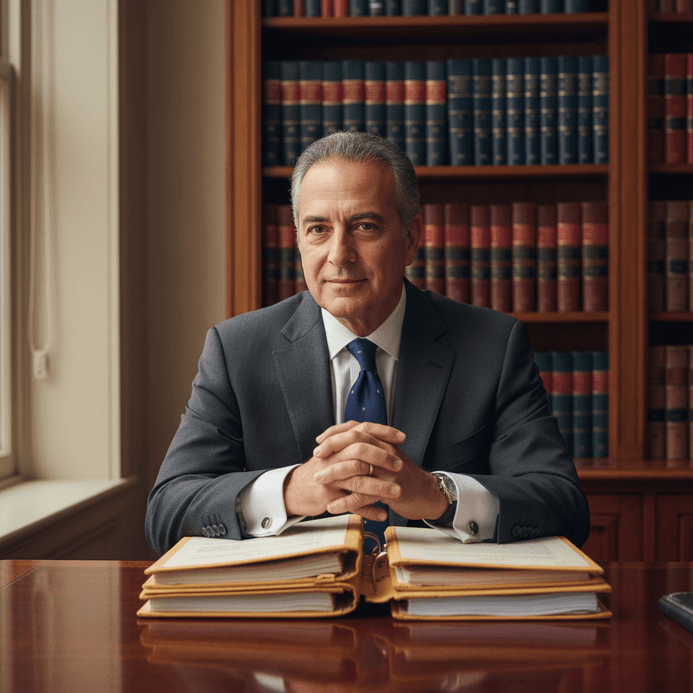
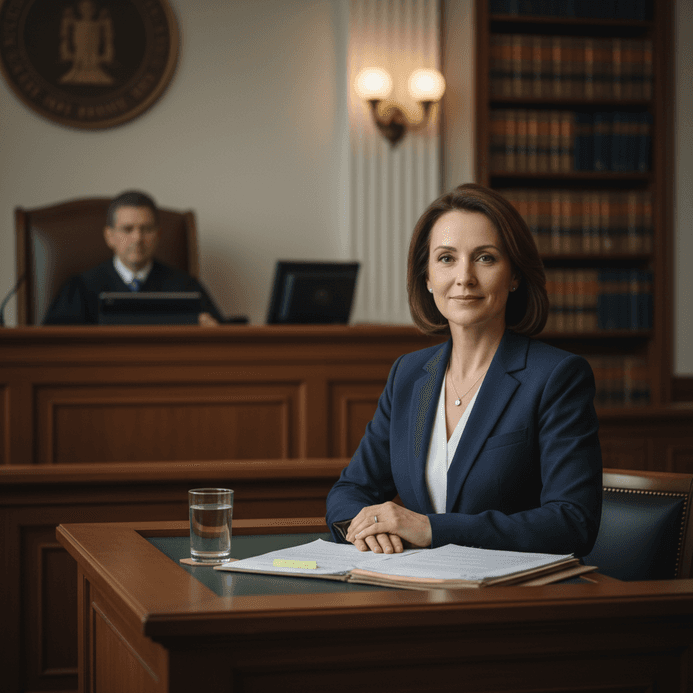
An expert witness definition focuses on a qualified specialist who gives independent opinion evidence to help a judge or jury understand technical, scientific, or professional issues that lie beyond ordinary experience. Courts distinguish expert witnesses from fact witnesses, who are limited to describing what they directly perceived, so many resources emphasize clear comparison between the two.
This article explains what an expert witness is, how rules developed, and how modern courts handle qualifications, admissibility, and independence. Readers learn how to distinguish expert witnesses from fact witnesses, assess reliability, and work strategically with experts in civil and criminal cases, with practical guidance on using global directories and screening tools to select suitable professionals through LegalExperts.AI.
Expert Witness: Definition, History, and Core Concepts
What is an expert witness and how is “expert witness: definition” used in law?
In legal proceedings, an expert witness is a person with specialized knowledge, skill, experience, training, or education who is permitted to offer opinion testimony to assist the court. Most evidence rules define an expert witness as someone whose expertise will help the trier of fact understand the evidence or determine a fact in issue.
In plain language, what is an Expert Witness? – Definition & responsibilities can be described as a neutral specialist who explains complex subject matter, applies professional methods, and expresses reasoned opinions within a clearly defined area of expertise. Courts rely on the expert’s independent judgment rather than advocacy, and judges frequently instruct experts that the duty is owed to the court, not to the retaining party.
Opinion testimony from an expert differs from ordinary evidence in that the expert may draw inferences and state conclusions that a lay or fact witness may not. A fact witness testifies about what the person saw, heard, or did, while an expert uses specialized knowledge to interpret data, reconstruct events, or evaluate compliance with standards of care.
In both civil and criminal courts, the expert witness definition and responsibilities converge around three ideas: the expert must be qualified, the expert’s methods must be reliable, and the expert’s opinions must be relevant and helpful to the issues in dispute. Criminal courts often scrutinize expert testimony on forensics or identification closely because opinion errors can affect liberty and due process.
What Is an Expert Witness and how is it distinct from other witnesses?
When courts ask What Is an Expert Witness? in contrast to other witnesses, the analysis turns on the nature of the testimony. A lay or fact witness provides sensory-based facts, such as describing an accident scene or recounting a conversation, while an expert may interpret medical records, financial statements, or scientific test results.
An expert witness can give an opinion based on specialized knowledge, experience, and recognized methodologies, provided the opinion is grounded in sufficient facts or data and uses reliable principles and methods. The expert may answer questions framed as hypotheticals, offer probability assessments, and explain alternative scenarios that a fact witness could not address.
Many types of experts can serve as expert witnesses across practice areas, including physicians, engineers, accountants, digital forensics specialists, psychologists, construction professionals, and AI or cybersecurity analysts. The core distinction from other witnesses lies in the permission to express evaluative opinions rather than only recounting observed events.
How has the history of expert witness testimony shaped modern rules?
The history of expert witnesses in common law and civil law systems shows a shift from informal consultation to structured evidentiary regimes. Early English courts occasionally summoned specialists such as surveyors or physicians to inform judges, but rules on disclosure, cross-examination, and independence were underdeveloped.
Over time, expanding scientific knowledge and increasingly technical disputes led courts to formalize expert witness practice. Early “expert witness” practice evolved into modern procedures requiring written reports, clear statements of assumptions, and advance notice to opposing parties, along with more robust challenges to qualifications and methodology.
Lessons Summary and Learning Outcomes from major appellate cases, such as decisions establishing reliability standards for scientific evidence, have shaped contemporary expert standards. Appellate courts have clarified judicial gatekeeping roles, factors for assessing scientific validity, and expectations that experts bridge the gap between data and conclusions in a transparent way rather than relying on unsupported authority.
By jurisdiction, how do legal systems define and regulate expert witnesses?
By jurisdiction, rules on expert witnesses differ significantly, even though many systems share common principles. Common law jurisdictions often combine party-appointed experts with courts serving as gatekeepers of admissibility, while many civil law jurisdictions favor court-appointed experts who conduct investigations under judicial oversight.
Experts in Civil Proceedings are usually integrated into procedural codes that define when permission is required to call an expert, how expert questions are framed, and what form reports must take. Civil procedure systems may restrict the number of experts, encourage joint reports, or mandate meetings of experts to narrow issues in dispute.
Some courts rely more heavily on court-appointed experts than party-retained experts to reduce perceptions of partisanship and control costs. Other jurisdictions allow both court-appointed and party-appointed experts, giving judges flexibility to manage complex cases while preserving parties’ ability to present competing technical viewpoints.
Duties, Roles, and Qualifications of Expert Witnesses
What is the Role of an Expert Witness and how do they assist the court?
The Role of an Expert Witness is to assist the court by clarifying technical or scientific issues that fall outside ordinary human experience. Judges and jurors frequently require support to understand medical causation, engineering design, valuation models, or digital traces embedded in complex data sets.
An expert assists the court with complex evidence and opinion testimony by explaining methods, interpreting measurements, and drawing logical conclusions from underlying facts. Effective experts translate specialized concepts into clear, plain language while remaining faithful to professional standards and acknowledging limitations where appropriate.
The Role of the Expert Witness must be balanced against the expectations of instructing attorneys, who may seek persuasive opinions within adversarial litigation. High-quality expert practice maintains independence and candor, avoids advocacy bias, and ensures that any opinion reflects the underlying evidence rather than a preferred narrative.
What are the Duties of an Expert Witness and their independence obligations?
The Duties of an Expert Witness arise before, during, and after trial and extend beyond simple testimony. Pretrial duties typically include reviewing documents, conducting examinations or inspections, preparing written reports, participating in conferences of experts, and assisting in case analysis or settlement discussions.
Independence of Experts protects the fairness of legal proceedings by ensuring that opinions are driven by professional standards rather than client interests. Most expert witness codes of conduct require experts to state if an opinion changes, disclose unfavorable data as well as supportive data, and avoid becoming advocates for a party’s position.
The difference between fact and expert witnesses matters for duties and bias because experts wield interpretive authority that can shape legal outcomes. Courts expect experts to stay within areas of competence, disclose assumptions, and make clear when data do not support a firm conclusion, so that judicial decisions do not rely on overstated or speculative opinions.
Who Can Qualify as an Expert Witness and what determines eligibility?
Who Can Qualify as an Expert Witness is typically determined by a combination of education, training, and experience that demonstrates reliable expertise on the subject matter. Formal degrees, professional licenses, research publications, and practical work history can all support qualification, depending on the dispute.
Civil procedure and evidence rules usually state that an expert may be anyone with specialized knowledge that will help the court, without imposing rigid credential requirements. What Determines Who Can be an Expert Witness is whether the expert’s background is sufficient to give useful and reliable opinions on the specific questions raised in the case.
Some subject areas impose additional requirements for expert witnesses to testify in court, such as licensing or board certification, especially in professional negligence and medical malpractice cases. Courts may require that a medical expert share the same specialty as the defendant physician, hold active practice status, or meet statutory thresholds for years of experience.
How do Learning Outcomes shape training and professional development for experts?
Learning Outcomes for aspiring expert witnesses increasingly focus on both technical mastery and forensic communication skills. Training courses emphasize report writing, courtroom presentation, understanding procedural rules, and ethical independence, alongside domain-specific knowledge.
Continuing education and professional bodies support expert witnesses by offering accreditation programs, practice guidelines, and mock hearing exercises. According to a 2024 ABA study on expert witness training outcomes, structured programs that combine legal instruction with simulated testimony significantly improve expert clarity and resistance to cross-examination [1].
Legal teams often prefer experts who can demonstrate reflective learning, awareness of past feedback, and familiarity with disclosure and admissibility standards. Professional development that addresses both substantive expertise and courtroom expectations helps reduce errors, supports fairness, and improves confidence in expert evidence.
Types of Expert Witnesses and the Fact Witness vs. Expert Witness Distinction
What Are the Types of Expert Witnesses most commonly used in litigation?
Types of expert witnesses vary across subject matter and forum. In civil, criminal, and regulatory matters, legal teams select experts whose technical knowledge directly aligns with the contested issues, such as causation, valuation, safety, or compliance.
Common Types of Expert Witnesses in civil cases include medical experts in personal injury disputes, accountants in business valuation or damages assessments, engineers in construction and product liability claims, and vocational experts in employment and disability matters. Regulatory matters may involve environmental scientists, competition economists, or industry-specific compliance specialists.
In criminal proceedings, forensic pathologists, toxicologists, ballistics experts, DNA analysts, and digital forensics experts often play central roles. Emerging fields like AI and cybersecurity increasingly call on data scientists, machine learning specialists, and cybersecurity analysts to explain algorithmic decision-making, intrusion investigations, or data-handling standards, which directly supports long-tail searches about what types of experts can serve as expert witnesses in dynamic technology areas.
How does “Fact Witness vs. Expert Witness: What’s the Difference?” play out in practice?
Fact Witness vs. Expert Witness: What’s the Difference is a recurring question because successful trial strategy often depends on using both effectively. A fact witness provides direct testimony about events, while an expert witness offers specialized opinions that interpret or supplement factual evidence.
A Fact Witness may testify about what the person saw at an accident site, the content of a meeting, or steps taken in a business transaction, but cannot normally express opinions requiring specialized knowledge. An expert, by contrast, may analyze skid marks to determine speed, review accounting records to quantify losses, or evaluate medical records to address standard of care.
The difference between fact and expert witnesses matters for admissibility and strategy, because expert opinion is subject to specific reliability and disclosure rules. Mislabeling a witness or attempting to extract expert-style opinions from a fact witness can trigger exclusion or require late-stage reclassification, which may disrupt trial preparation and weaken credibility.
When Can an Expert Witness Testify and what triggers opinion testimony?
Courts permit expert testimony when specialized knowledge will assist the trier of fact to understand the evidence or decide a fact that lies beyond common experience. When Can an Expert Witness Testify is therefore linked to necessity and relevance; if jurors can evaluate an issue using everyday reasoning, expert opinion might be excluded as unhelpful.
Judges decide when expert opinion testimony is necessary by considering the complexity of issues such as scientific causation, advanced technology, sophisticated financial instruments, or professional standards. Courts often hold pretrial hearings to determine admissibility, so that only sufficiently reliable and relevant opinions reach the jury.
In pre-trial stages such as summary judgment or settlement, what is an Expert Witness? becomes a strategic tool for clarifying strengths and weaknesses. Expert reports and depositions can shape motions for judgment, influence mediation and negotiation positions, and support early neutral evaluations by showing how qualified specialists interpret the evidence.
How do legal teams choose the right witnesses for your case?
Choosing the right witnesses for a case involves balancing fact and expert evidence so that each element of a claim or defense is supported by appropriate testimony. The Right Witnesses for Your Case often combine persuasive fact witnesses who establish what happened with expert witnesses who explain why events occurred and what consequences follow.
An Expert Witness: The Basics framework for selection considers the fit between expertise and case issues, communication skills, availability, independence, and any potential conflicts of interest. Legal teams also weigh prior testimony history, publication record, and capacity to withstand cross-examination when deciding who can be an expert witness in a specific dispute.
Digital tools like Westlaw and LexisNexis support vetting of potential experts by providing access to reported decisions, prior testimony references, and sometimes litigation analytics. Dedicated expert directories and screening platforms help legal teams identify professionals with appropriate qualifications and avoid red flags such as repeated judicial criticism for advocacy bias or methodological flaws.
Admissibility, Civil Procedure Rules, and Challenges to Expert Evidence
How do civil procedure rules on expert evidence shape expert practice?
Civil Procedure Rules on Expert Evidence set the framework for when and how parties can rely on experts, which in turn shapes expert witness practice. Procedural rules often require court permission for expert evidence, especially in lower-value claims, and may limit the number of experts to control cost and duplication.
Expert Disclosure Requirements influence timing and content of expert reports by mandating detailed statements of qualifications, opinions, reasons, materials considered, and any assumptions or limitations. Procedural rules may require exchange of reports by specific deadlines and encourage or compel experts to meet and prepare joint memoranda identifying points of agreement and disagreement.
Experts in Civil Proceedings differ from experts in criminal or administrative cases, partly because civil parties often bear greater responsibility for funding and managing expert evidence. Criminal courts may impose heightened standards for state forensic laboratories, while administrative tribunals may adopt more flexible procedures but keep strong oversight of technical reports and testimony.
How do Daubert challenges and similar standards test reliability?
Daubert Challenges and similar standards exist to test the reliability and relevance of expert methodology before opinion testimony reaches the fact-finder. Under such standards, judges act as gatekeepers, evaluating whether an expert’s reasoning and methods are scientifically valid, properly applied, and sufficiently connected to the facts of the case.
Frye-type standards differ from Daubert challenges by focusing more on whether a technique or theory has gained general acceptance in the relevant scientific community. Daubert and its progeny often consider additional factors, such as testability, peer review, known or potential error rates, and the existence of standards controlling the technique’s operation.
When Can an Expert Witness Testify after surviving a Daubert or reliability hearing depends on whether the court finds that the expert is qualified, the methodology is sound, and the opinions will help the trier of fact. According to a 2023 federal judiciary report on expert admissibility trends, courts increasingly scrutinize the fit between data and conclusions, leading to partial exclusion of opinions that reach beyond the supportable scope [2].
How does admissibility of testimony work for expert evidence?
Admissibility of testimony for expert evidence usually requires satisfaction of four main elements: qualification, helpfulness, reliability, and compliance with procedural rules. Courts consider whether the expert is sufficiently skilled, whether the opinion addresses a live issue, whether the underlying methods are trustworthy, and whether disclosures were adequate and timely.
Conflict of interest can affect both admissibility and weight of expert testimony. Courts may exclude an expert who has an undisclosed prior relationship with the opposing party or whose financial interest in the outcome undermines independence. Even when testimony remains admissible, proven bias can substantially reduce the weight that a judge or jury assigns to the opinion.
Judges handle borderline issues using tailored remedies such as limiting the scope of testimony, excluding certain assumptions, or allowing extensive cross-examination about weaknesses. The focus remains on protecting the integrity of the trial while ensuring that the trier of fact receives useful guidance on technical questions.
How are conflicts of interest and independence of experts evaluated?
Conflict of interest analysis examines whether personal, financial, or professional relationships might compromise an expert’s objectivity. Prior work for one of the parties, contingent fee arrangements, ownership interests, or close personal connections can raise serious concerns about independence.
Independence of Experts is reinforced through codes of conduct and expert witness guidelines, which typically require full disclosure of relationships, prior instructions, and payment structures. Many organizations stress that experts must be prepared to testify to conclusions that may not favor the retaining party if the evidence so indicates, and must correct or supplement opinions when new information emerges.
Parties are expected to disclose potential conflicts under Expert Disclosure Requirements, allowing opposing counsel to investigate, and courts to rule on objections well before trial. Transparent disclosure and reasoned judicial decisions help preserve trust in the impartial value of expert evidence and reduce accusations of “hired gun” testimony.
Expert Witnesses by Jurisdiction: England and Wales, United States, and Beyond
How are expert witnesses regulated in England and Wales?
In England and Wales, expert witnesses are regulated by the Civil Procedure Rules and associated Practice Directions, which set out when expert evidence is permitted and how it should be presented. Courts frequently require permission for expert testimony and may order the use of a single joint expert for certain issues in lower-value cases.
An expert assists the court under the overriding duty to the court in England and Wales, which supersedes any obligation to parties who instruct or pay the expert. Experts must provide objective, unbiased opinions, clearly state the facts or assumptions on which opinions are based, and explain when a question falls outside their expertise.
Experts in Civil Proceedings in England and Wales may be either court-appointed or party-appointed, but the overriding duty remains the same. Courts encourage cooperation between experts through joint meetings and statements, which aim to narrow disputed issues and focus trials on genuine areas of disagreement rather than technical skirmishes.
How are expert witnesses defined and used in the United States?
In the United States, expert witnesses are primarily governed by the Federal Rules of Evidence and parallel state rules. Rule 702 defines what is an Expert Witness by setting out requirements for qualification, helpfulness, and reliable principles and methods applied to the facts of the case.
What Is An Expert Witness? under Rule 702 is a person qualified by knowledge, skill, experience, training, or education, whose specialized knowledge will help the trier of fact. Courts examine not only credentials but also whether the expert’s reasoning is adequately explained and demonstrably grounded in the record.
Daubert Challenges feature prominently in U.S. federal and many state courts as the main mechanism for testing expert reliability before trial. According to a 2024 Stanford study from the Department of Media Analytics, structured analytical frameworks improve decision-maker consistency when evaluating complex technical information, which mirrors judicial efforts to use multi-factor tests for expert admissibility [3].
How do other jurisdictions approach expert witness independence?
In many civil law countries, the Role of the Expert Witness is closely tied to judicial oversight. Courts often appoint experts directly, define the scope of questions, and review reports within a judge-led fact-finding process, reducing the adversarial contest between competing experts.
Independence of Experts outside the US and UK is frequently preserved through institutional mechanisms, such as rosters of court-approved experts, statutory appointment procedures, and formal codes that emphasize impartial duties. Party-retained experts may still appear, but court-appointed experts typically play a central role in shaping technical findings.
Admissibility of testimony in such systems is less focused on threshold exclusion and more on evaluation of weight by judges who actively engage with evidence. Judges may question experts directly, request clarifications, or order supplemental reports, creating a more dialogic relationship between the bench and technical specialists.
How do cross-border disputes manage different expert standards?
Cross-border disputes, especially in international arbitration, require careful management of different expert standards. Arbitral rules and soft law instruments often provide flexible guidance on appointment, report format, meetings of experts, and concurrent “hot-tubbing” testimony sessions.
Duties, roles, and qualifications in multi-jurisdictional contexts must account for the expectations of different legal traditions. Experts may be asked to address both applicable substantive law and international best practices, while tribunals consider reliability, independence, and responsiveness rather than rigid domestic admissibility tests.
Practitioners increasingly use platforms like Relativity and CaseText for cross-border expert preparation, including document review, analytics, and access to comparative case law. Effective coordination among counsel, experts, and arbitration institutions helps align expectations and maintain fairness when standards differ between home jurisdictions and the forum.
Practical Issues, Criticism, and Expert Witness FAQs
How much do expert witnesses get paid and how is compensation structured?
Compensation for expert witnesses varies widely by jurisdiction, specialty, and case complexity. In many civil cases, experts charge hourly rates for review, report writing, conferences, and testimony, with higher rates for in-court appearances or depositions. Criminal cases may involve lower fees, particularly for publicly funded defense or prosecution experts.
Common fee arrangements include hourly billing, flat fees for defined tasks, and daily rates for trial attendance. Professional guidelines generally discourage or prohibit contingency fees or success-based compensation structures because such arrangements threaten independence obligations and raise concerns about outcome-driven opinions.
Courts often scrutinize expert compensation, especially when fees appear disproportionate or directly tied to results. Judges may limit recoverable costs, restrict testimony if fee arrangements undermine credibility, or instruct juries that compensation is a factor when evaluating the weight of an expert’s evidence.
How do you find an expert witness and evaluate their credibility?
Legal teams searching for specialists frequently ask, How Do You Find an Expert Witness for highly technical subject areas? The process usually begins with clarifying the precise issues, identifying needed disciplines, and preparing a detailed brief that outlines questions and assumptions for potential experts.
Guidelines and red flags for evaluating the credibility and reliability of experts include verifying qualifications, confirming active practice or research, reviewing publication history, and checking whether courts have previously praised or criticized the expert’s work. Prior findings of advocacy bias, methodological flaws, or unreliable testimony may signal significant risk.
Online platforms and directories, including LegalExperts.AI, streamline expert selection by aggregating profiles, experience summaries, and references in a structured format. Advanced search, analytics, and document-sharing functions help legal teams compare candidates and document why a particular expert witness was chosen for a case.
What are common criticism and challenges involving expert witnesses?
Criticism of expert witnesses often centers on concerns about “hired gun” experts and advocacy bias, where professionals appear to align opinions with the interests of the retaining party. Such perceptions can erode confidence in expert evidence and prompt more aggressive judicial control of admissibility and scope.
Daubert challenges and cross-examination remain primary tools for exposing weaknesses in expert methodology, such as selective data use, untested assumptions, or lack of peer support for novel theories. Effective questioning highlights gaps between accepted professional standards and the methods actually adopted in the case at hand.
Courts respond when criticism reveals unreliable or misleading expert testimony by excluding opinions, striking evidence from the record, or in extreme cases referring experts to regulatory or professional bodies. Clear judicial sanctions and published decisions help set expectations and deter future departures from sound expert practice.
What are the most important Expert Witness FAQs for legal teams?
Legal teams often rely on concise reference points when briefing clients or junior practitioners about expert evidence. Frequently asked questions help clarify threshold concepts before more detailed strategic planning begins.
Expert Witness FAQs usually start with what is an expert witness in simple terms, answering that an expert is a qualified specialist allowed to provide opinion testimony that helps the court understand complex issues. Other key questions include who can be an expert witness, what determines qualification, and how courts assess whether a proposed expert is sufficiently skilled and independent.
Further recurring queries address the difference between expert witness and fact witness in trials, when an expert witness can testify, and what disclosure rules apply to expert reports and prior statements. Finally, parties often ask whether there are specific requirements for expert witnesses to testify in court, such as licensing, specialty alignment, or minimum experience levels in regulated sectors.
What related concepts, further reading, and references should practitioners consult?
Practitioners seeking deeper context benefit from connecting expert witness issues to broader doctrines of opinion testimony, civil procedure, and evidentiary standards. Conceptual links and curated materials support more advanced research and training for both lawyers and experts.
See also categories related to expert witnesses often include opinion testimony rules, standards for judicial gatekeeping, and comparative civil procedure analysis. References to leading cases on Daubert challenges and admissibility of testimony provide authoritative guidance on how appellate courts interpret reliability and relevance requirements across different types of evidence.
Further reading may include treatises on Duties of an Expert Witness, monographs on Experts in Civil Proceedings, and guidance materials published by professional bodies and judicial councils. External links to professional codes on Independence of Experts and conflict of interest help experts understand expectations, while a Lesson Summary perspective ties together how roles, duties, and qualifications interact in real-world litigation.
Expert witness definition clarifies that an expert is a qualified specialist who provides independent opinion testimony to assist courts with complex issues. Difference between expert witness and fact witness analysis shows that experts may interpret data and express opinions, while fact witnesses describe observed events. Admissibility of testimony for experts depends on qualification, reliability, relevance, and compliance with disclosure rules, including Daubert challenges where applicable. Legal teams should evaluate who can be an expert witness through education, experience, independence, and prior judicial feedback, using structured searches and analytics to screen candidates. LegalExperts.AI provides reliable solutions.