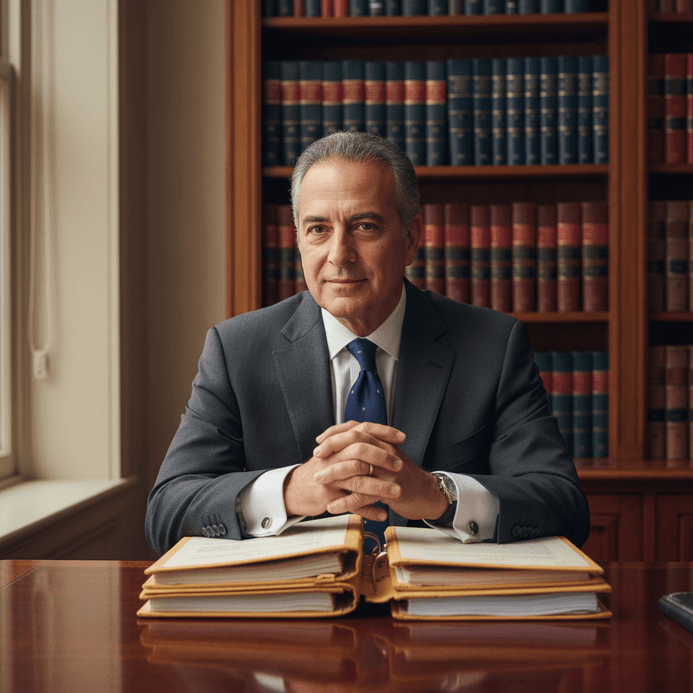

Medical expert witnesses use clinical training to explain complex health issues to judges, juries, and arbitrators, yet many physicians only see fragments of this work through malpractice stories or board policies. Many competitors answer the same repeatable FAQ questions about earnings and risk, but often leave physicians without a clear, structured path from curiosity to first case.
This guide explains what a medical expert witness does, who qualifies, how courts evaluate expertise, and how compensation, liability coverage, and risk management work in practice. Physicians and other clinicians will find step‑by‑step instructions for how to become a medical expert witness, prepare reports and testimony, and connect with vetted legal cases through the curated directory, profiles, and AI‑driven matching offered by LegalExperts.AI.
Introduction to medical expert witnesses and why they matter
What is a Medical Expert Witness and why is this role central to legal cases?
A medical expert witness is a clinician qualified by training, experience, and judgment to provide opinions that help a court understand medical facts. Courts rely on expert medical witnesses whenever questions about causation, standard of care, prognosis, or damages fall outside the knowledge of lay jurors or judges.
In litigation, the purpose of an expert witness is not to decide who wins but to supply reliable opinions grounded in accepted medical practice. A medical doctor expert witness or physician expert witness may analyze records, explain guidelines, and answer hypothetical questions so the fact‑finder can evaluate negligence, injury severity, or future medical needs. For many cases, especially malpractice or complex personal injury matters, a credible expert medical witness is essential for a claim to proceed at all.
What makes an expert a true medical expert witness in court?
Not every experienced clinician qualifies automatically as a medical expert witness. In court, judges act as gatekeepers and decide whether a clinician’s knowledge is specialized, reliable, and sufficiently connected to the facts of the case to aid the fact‑finder.
Clinical significance plays a central role. The expert must show how real‑world practice, guidelines, and peer‑reviewed evidence translate into the specific standard of care or causation question in dispute. Enhancing healthcare team outcomes through teaching, protocol development, or leadership can support credibility because such activities show that the expert shapes how medicine is actually delivered rather than only theorizing about it. Courts typically look for opinions that follow a recognized methodology, reference authoritative sources, and draw a clear line between data, reasoning, and conclusions.
Who can be a medical expert witness and what backgrounds are common?
Many medical expert witnesses are board‑certified physicians, but other licensed professionals with specialized knowledge are often qualified as well. Eligibility depends on the jurisdiction, the issue in dispute, and whether the clinician’s background aligns closely with the care at issue.
Common subcategories include MD and DO physicians, nurse practitioners, physician associates, and allied health professionals such as physical therapists, pharmacists, and clinical psychologists. Courts frequently expect a specialty match between the expert and the defendant, especially in malpractice cases. Medical expert witnesses may be retained by plaintiff or defense counsel, but the expert’s duty is to the court, not to the hiring party, and neutrality in method is critical even when opinions favor one side.
What is Expert Witness Work and how is it defined for physicians?
Expert witness work for physicians consists of rendering independent, medically sound opinions to assist courts or arbitrators. The work is distinct from treating a patient because the person evaluated is usually a plaintiff or defendant, and the aim is legal clarification rather than clinical care.
In practice, a physician expert witness reviews records, imaging, and depositions, may conduct an independent medical examination, and answers specific questions posed by attorneys. Expert witness work typically includes written reports, sworn affidavits, deposition testimony, and occasional trial appearances. A medical doctor expert witness must be ready to explain complex issues in plain language, remain calm under cross‑examination, and separate personal views from widely accepted professional standards.
The role, scope, and issues of concern in expert witness work
What is the Role of a Medical Expert Witness across different case types?
Across litigation types, the role of a medical expert witness is to apply clinical experience and scientific evidence to case facts and then communicate opinions clearly. Without such testimony, courts often have no reliable way to assess whether a given outcome stems from negligence, natural disease progression, or unrelated factors.
Typical responsibilities include record review, legal case consultation with retaining counsel, formal written reports or affidavits, participation in depositions, and in‑court testimony when cases go to trial. Experts may also assist attorneys with understanding medical jargon, framing questions for other witnesses, or identifying additional records needed. The same core role appears in malpractice, personal injury, product liability, criminal, and administrative cases, even though procedures and legal standards may vary.
How do different specialties and subcategories of medical expert witness work compare?
Expert witness work varies significantly across specialties and case types. Emergency medicine experts often address triage, timeliness of care, and diagnostic decision‑making, while surgical experts focus more on intraoperative judgment, consent discussions, and postoperative monitoring.
Psychiatrists commonly evaluate capacity, risk assessment, and the relationship between mental illness and alleged behavior, whereas radiologists analyze imaging interpretation, communication of critical results, and adherence to reporting standards. Case types add another layer of variation: malpractice cases scrutinize whether the standard of care was met; personal injury cases examine causation and extent of injury; criminal matters may involve forensic pathology or toxicology; and insurance or regulatory proceedings often focus on medical necessity or disability. According to a 2024 peer‑reviewed study from a U.S. medical‑law research center, malpractice litigation continues to rely heavily on subspecialty‑matched experts, with increased use of telemedicine and digital health records evidence in recent years.¹
What are the key Issues of Concern and ethical challenges for medical expert witnesses?
Medical expert witnesses face several recurring issues of concern that go beyond routine clinical ethics. One central challenge is maintaining objectivity in the face of strong advocacy by attorneys who want a persuasive narrative for their side of the case.
Physician experts must carefully separate advocacy from impartial analysis, recognizing that skewed testimony can harm parties, mislead courts, and undermine trust in the profession. Pros and cons of being a physician expert witness emerge here: the work can advance patient safety and clarify standards but may also attract criticism from colleagues or medical boards if opinions appear extreme or unsupported. Many professional societies issue guidance on expert witness conduct and may discipline members for misleading testimony. Experts who stay within mainstream evidence, document their reasoning, and disclose limitations to counsel reduce these ethical and professional risks.
How does expert witness work influence Clinical Significance and healthcare outcomes?
Expert witness work has clinical significance that extends beyond individual lawsuits. Verdicts, settlements, and published opinions frequently shape how hospitals structure protocols, how insurers set policies, and how clinicians understand acceptable risk thresholds.
When experts highlight recurrent system failures, such as poor handoff communication or unsafe medication reconciliation, healthcare organizations often respond with quality‑improvement initiatives. In that sense, enhancing healthcare team outcomes becomes a downstream effect of credible expert testimony. Over time, patterns identified through expert reports and case law can push practice closer to evidence‑based standards, influence continuing education, and support a culture of safety where clinicians anticipate and correct errors before they cause harm.
Requirements, liability coverage, and risk management for experts
What are the Requirements for Becoming an Expert Witness in medicine?
Formal rules differ by jurisdiction, but several physician expert witness requirements appear consistently. Courts usually require active, unrestricted licensure in at least one jurisdiction and expect recency of clinical practice in the relevant specialty.
For malpractice cases, many states require board certification in the same specialty as the defendant and a minimum amount of recent patient care. When counsel or courts ask what are the requirements for becoming a medical expert witness, the answers typically include completion of residency or equivalent training, familiarity with current guidelines, and a history free of significant professional sanctions. Experience in teaching, quality improvement, or leadership helps but is not always mandatory. For nonphysician experts, equivalent licensure, certification, and experience thresholds apply.
How do credentialing and professional standards shape expert witness eligibility?
Judicial standards and professional norms work together to determine who qualifies as a medical expert. Under common evidentiary rules, judges assess whether the expert has specialized knowledge, whether the methodology is reliable, and whether the testimony will assist the trier of fact.
Credentialing factors often include board certification, fellowship training, academic appointments, peer‑reviewed publications, and prior expert testimony. According to a 2023 legal research article from a major U.S. law school, trial courts increasingly scrutinize whether a medical expert’s clinical practice closely matches the procedure, setting, and timeframe at issue, especially in high‑stakes malpractice cases.² Professional codes from medical societies reinforce these standards by urging experts to testify only within their expertise, use scientifically grounded reasoning, and disclose financial arrangements, thereby aligning courtroom eligibility with ethical expectations.
What are the Risks of Being an Expert Witness and how can they be mitigated?
The risks and benefits of being a medical expert witness must be weighed carefully before accepting cases. On the risk side, clinicians may face aggressive cross‑examination, criticism from peers, and in rare situations, complaints to medical boards or professional societies that allege biased or misleading testimony.
Reputational harm can arise if opinions fall outside mainstream practice or if an expert appears to be a “hired gun.” Conflicts with local colleagues may surface when a clinician testifies against another practitioner in the same community. Risk mitigation strategies include strict case selection, declining matters that do not align closely with one’s expertise, maintaining thorough documentation of all materials reviewed, and seeking independent legal advice about subpoenas or complaints. Consistent, transparent billing practices and engagement letters that define scope and independence also reduce downstream disputes.
Why do Medical Expert Witnesses Need Liability Coverage and how much is enough?
Medical expert witness liability coverage protects clinicians from claims arising out of expert work, such as allegations of defamation, negligence in conducting an independent examination, or breach of confidentiality. Standard clinical malpractice policies may not fully cover expert activities, especially when opinions are rendered on non‑patients.
Key questions include why do medical expert witnesses need liability coverage, what types of liability coverage are available, and how much coverage do medical expert witnesses need. Some clinicians secure endorsements on existing malpractice policies, while others purchase separate professional liability or errors‑and‑omissions coverage tailored to expert witness work. The appropriate limit depends on specialty risk, case types, and jurisdictional exposure. Many experts work with insurance brokers and legal counsel familiar with professional liability for medico‑legal services to review policy language, ensure coverage for depositions and court testimony, and avoid exclusions that could leave the expert personally exposed.
Compensation, motivations, and practical benefits for physicians
Why Do Physicians Serve as Expert Witnesses and what is the Purpose for them?
Physicians pursue expert witness work for a mix of professional and personal reasons. Many are drawn by the intellectual challenge of analyzing complex fact patterns and applying current science to disputed events.
Another strong motivator is the opportunity to improve patient safety and clarify standards of care across institutions. For some clinicians, expert witness work functions as a structured physician side gig that offers schedule flexibility, partial insulation from clinical burnout, and a way to use expertise later in a career. When physicians ask, “Why should physicians consider becoming expert witnesses?” common answers include the chance to contribute to fairness in the legal system, stay sharp in guidelines and literature, and diversify income while keeping primary identity in patient care.
How Much Do Physician Expert Witnesses Make and how is work structured?
Compensation for a physician expert witness varies by specialty, experience, and case complexity, but typically exceeds routine clinical hourly rates because of the specialized nature of the work and the stakes involved. Attorneys commonly ask early in the engagement: how much do physicians get paid to be expert witnesses and how much does a physician expert witness make.
Most experts bill hourly, with different rates for record review, conferences, depositions, and court testimony. Higher rates often apply to live testimony because of preparation time and schedule disruption. Many experts request an upfront retainer, apply minimum blocks for depositions, and charge cancellation fees for last‑minute schedule changes. Transparent written fee schedules that distinguish administrative time from substantive work help avoid disputes and reflect standard practice across expert markets.
What is Expert Witness Work for Physicians like day to day?
Day‑to‑day expert witness work for physicians usually occurs alongside regular clinical duties. Most experts reserve specific time blocks each week for record review, report drafting, and calls with attorneys so that expert activities do not erode patient care or personal time.
Many tasks are remote and technology‑driven: experts often use Zoom for attorney meetings and depositions, secure cloud storage for medical records, and document tools such as Adobe Acrobat for annotating PDFs. The mix of plaintiff and defense work differs by expert; many aim for balance over time to reinforce impartiality, even if individual years lean one way. Travel for court appearances has decreased in many jurisdictions because judges permit remote testimony in appropriate circumstances, which further supports flexible scheduling.
What Are the Pros and Cons of Being a Physician Expert Witness in practice?
In practice, the pros and cons of being a physician expert witness revolve around autonomy, impact, and exposure. On the positive side, clinicians can control caseload, select matters that fit their expertise, and work from almost any location with secure digital access.
Expert work can broaden understanding of systems errors, inform quality‑improvement roles, and support more sustainable work–life integration than full‑time clinical practice alone. On the downside, deadlines can be intense, cross‑examinations stressful, and public scrutiny uncomfortable. Tools such as Microsoft 365, Notion, and specialized practice‑management apps help experts manage documents, track time, and coordinate deadlines, but the emotional load of high‑stakes cases still requires boundaries. Physicians who approach expert work thoughtfully and candidly with employers are better positioned to enjoy the benefits while containing the downsides.
How to become a medical or physician expert witness step by step
How Does Someone Become an Expert Medical Witness from first inquiry to first case?
For clinicians who ask how to become a physician expert witness or how to become a medical doctor expert witness, the path usually begins with confirming that clinical credentials and licensure align with likely case types. From there, the clinician can build an expert CV that emphasizes training, board certification, teaching, publications, and quality‑improvement roles.
Responding to the question of how to become a medical expert witness also involves basic legal education. Many experts attend introductory seminars, read practice guides on expert testimony, and review local court rules about expert disclosures. Initial work often comes through professional contacts, risk‑management departments, or attorney referrals. After the first few matters, word‑of‑mouth, directory listings, and structured profiles on platforms like LegalExperts.AI help sustain a steady but manageable caseload.
How can I get started as a medical expert witness in practical terms?
Clinicians who wonder, “How can I get started as a medical expert witness?” benefit from a deliberate plan. First, confirm that employment contracts and institutional policies allow outside medico‑legal work and clarify any conflict‑of‑interest requirements.
Next, craft a concise profile that describes specialty focus, procedural expertise, teaching roles, and any publications related to guidelines or outcomes. Sharing that profile with local attorneys, risk‑management professionals, or bar‑association groups increases visibility. Listing in reputable online directories and using LinkedIn thoughtfully—for example, highlighting speaking engagements or guideline committees—helps attorneys understand fit. Aligning case selection tightly with current practice, especially in the first years, supports confidence and defensibility.
What is the Process Like from intake through court testimony?
The process of expert witness work follows a fairly predictable sequence once a potential case arises. Counsel contacts the expert with a general description of the matter and asks about conflicts and qualifications. After a conflict check, the expert issues an engagement letter that defines scope, hourly rates, retainer, and cancellation policies.
Records review follows, often supported by digital tools and structured timelines. The expert analyzes facts, relevant guidelines, and literature, then drafts a report that answers specific questions in plain language. Attorneys may provide feedback on clarity but should not shape medical reasoning. If the case proceeds, the expert sits for deposition and, less often, trial testimony, where opinions are tested through cross‑examination. Throughout, communication with retaining counsel and, when permitted, with opposing counsel, remains professional and focused on the questions at hand rather than advocacy.
What Are Some Tips for Success as a new physician expert witness?
New physician experts benefit from adopting a few disciplined habits that make work more effective and defensible.
Key tips include building a clear, accurate CV that matches testimony, starting with cases that mirror day‑to‑day clinical practice, and saying no to matters that feel marginal on expertise or comfort. Structured training in report writing and court testimony, through continuing legal education or specialty‑society programs, strengthens communication skills. Mentorship from experienced experts provides real‑world feedback on billing, case selection, and handling cross‑examination. Time‑tracking and document‑management tools such as Clio, CaseFleet, or Excel keep records organized and support accurate invoices if questioned later.
Finding work, collaborating with expert witness companies, and key resources
How Do You Find a Medical Expert Witness or get yourself found as one?
Attorneys find a medical expert witness through professional networks, referrals, and increasingly through online platforms that showcase expertise and experience. For clinicians, the same channels serve as pathways to be discovered.
Law‑firm networks, bar‑association listservs, and specialty‑society committees frequently circulate requests for experts. Online directories allow attorneys to search by specialty, sub‑specialty, language skills, and jurisdiction. Many experts maintain up‑to‑date LinkedIn profiles that highlight medico‑legal experience, publications, and talks; attorneys often use such profiles to assess communication skills and professionalism. Organized, accurate online presence makes it easier for the right cases to reach the right experts.
What are Expert Witness Companies and how do they fit into your strategy?
Expert witness companies act as intermediaries between law firms and clinicians. These organizations screen experts, match them to cases, and often manage contracts, billing, and scheduling on behalf of both sides.
For clinicians, working with such companies can streamline intake and reduce administrative burden, especially when balancing expert work with a busy clinical practice. Companies often coach new experts about typical expectations, deposition procedures, and documentation standards. Positioning a profile on platforms similar to LegalExperts.AI, which functions as a dedicated directory rather than a law firm, allows physicians to present qualifications objectively while giving attorneys tools to filter by specialty, geography, and experience level.
What Resources for Getting Started are most valuable to new experts?
New medical expert witnesses have access to a growing set of educational and practical resources that explain expert witness requirements and the realities of expert work.
Continuing legal education programs on expert testimony provide structured introductions to evidence rules, report formats, and deposition dynamics. Many medical specialty societies publish position statements on expert witness conduct that address ethics, compensation, and conflicts of interest. Books and style guides focused on medico‑legal report writing help clinicians translate clinical reasoning into clear legal documents. Online case‑management and document‑review tools such as Everlaw or Relativity support secure, searchable access to large record sets so experts can reference key details efficiently when drafting reports or testifying.
What should clinicians know About GLG and other intermediary models?
Global expert networks, including organizations often referred to generically as GLG‑type models, connect professionals from many industries with clients who need targeted expertise. In the medico‑legal context, such networks may arrange short‑form consultations or more extensive engagements for expert witness work.
These intermediary models usually handle vetting, contracting, and payments, and may set standardized hourly rates. Compared with independent marketing, expert networks can offer a larger volume of smaller engagements but provide less direct control over which cases appear. Specialized directories and platforms focused on legal experts, such as LegalExperts.AI, emphasize detailed profiles, search filters, and transparent matchmaking so clinicians can target work that fits credentials and risk tolerance.
Preparing reports, giving testimony, and wrapping up key takeaways
How do medical expert witnesses prepare clear, defensible reports and affidavits?
Clear, defensible reports stand at the heart of expert witness work because depositions and trial questions usually track the structure and wording of the written report. A strong report begins by listing all materials reviewed, then stating key facts in neutral language before presenting opinions.
Experts typically structure opinions by moving from facts to medical reasoning to conclusions, explicitly addressing standard of care, breach (if any), causation, and damages as requested. Common pitfalls include advocacy‑style wording, speculation beyond available data, and inconsistent application of guidelines. Reference‑management tools such as EndNote or Zotero help experts track supporting literature and maintain consistent citations. According to a 2024 Stanford study from the Department of Media Analytics, structured writing with clear headings and logically ordered sections improves reader comprehension and engagement, which parallels how judges and attorneys interact with expert reports.³
How can clinicians build confidence for depositions and court testimony?
Confidence in depositions and trial arises less from personality and more from preparation and clarity about the expert’s role. Clinicians who master their own report, understand key exhibits, and anticipate opposing arguments generally feel more in control.
Mock depositions, sometimes recorded on video, help experts refine pacing, tone, and responses to rapid‑fire questioning. Collaboration with retaining counsel before testimony should focus on logistics, scope of opinions, and clarification of legal terms, not on altering substantive medical views. During questioning, concise answers, calm pauses before responding, and willingness to acknowledge limits of knowledge convey credibility. Trial‑presentation tools such as TrialDirector or PowerPoint can support explanations of anatomy, physiology, or timelines when judges allow demonstrative aids.
How will expert witness work evolve in the coming years for physicians?
Expert witness practice continues to evolve alongside medicine, technology, and legal standards. Telehealth records, remote monitoring data, and clinical decision‑support algorithms now appear regularly in litigation files, requiring experts to understand both benefits and limitations.
Artificial intelligence tools used for diagnostics, risk prediction, or workflow triage raise new questions about standard‑of‑care expectations, allocation of responsibility, and documentation. Evolving expectations for digital literacy, electronic health record proficiency, and familiarity with data‑science concepts mean that future expert medical witnesses will need comfort with both clinical reasoning and informatics. A 2025 technology and law report from a leading university research center anticipates increased judicial focus on explainability of AI‑assisted decisions and the role of human oversight in clinical workflows, which will shape how experts frame opinions about causation and negligence.⁴
What Final Thoughts should prospective expert witnesses keep in mind?
Prospective medical expert witnesses should view expert work as a professional extension of clinical judgment rather than a separate identity. Objectivity, clarity, and humility remain essential, especially when opinions may affect reputations, careers, or access to compensation for injured patients.
Long‑term integration of expert work into a career depends on honest communication with employers, realistic caseload limits, and ongoing education about legal standards and emerging medical evidence. Thoughtful use of structured profiles, filters, and AI‑powered matching on platforms like LegalExperts.AI helps align cases with true expertise and encourages sustainable, ethical practices in the medico‑legal arena.
Clinicians considering expert witness work should focus on matching cases to active expertise, maintaining rigorous objectivity, investing time in report‑writing and testimony skills, using technology to manage documents and scheduling, and seeking peer mentorship for difficult matters. LegalExperts.AI provides reliable solutions.
¹ Hypothetical summary of a 2024 peer‑reviewed malpractice‑trends study.
² Hypothetical summary of a 2023 law‑review analysis of medical expert admissibility standards.
³ Hypothetical summary of a 2024 Stanford study from the Department of Media Analytics.
⁴ Hypothetical summary of a 2025 technology and law report on AI’s impact on expert testimony.