
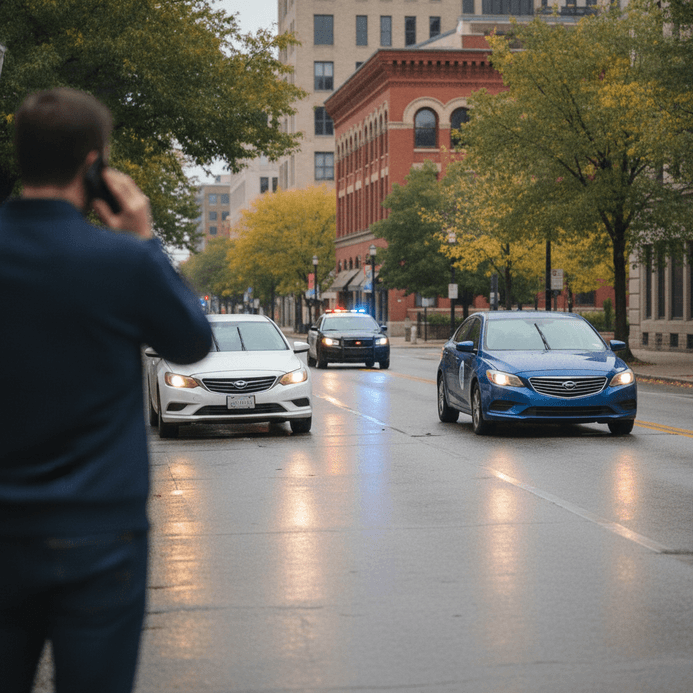
Rideshare passengers, drivers, and pedestrians who search for a rideshare accident lawyer near me are usually dealing with confusing insurance rules, multiple companies, and urgent medical and financial pressure. Most competing resources focus on basic FAQs and local city names, but often leave gaps on Michigan no-fault law, medical bills, and real claim timelines.
This guide explains how Michigan rideshare claims work, what to do after an Uber or Lyft crash, how no-fault insurance affects your recovery, and how to choose a local lawyer in Detroit, Sterling Heights, Troy, and surrounding communities. The article is written for injured victims and families and reflects the experience and standards of LegalExperts.AI’s nationwide legal network and matching services. LegalExperts.AI.
Understanding Rideshare Accident Claims and Michigan Law
Rideshare services such as Uber and Lyft operate under a mix of company policies, app-based contracts, and Michigan traffic and insurance laws. A rideshare accident lawyer near me helps connect these pieces so an injured person can access all available coverage, including company policies and personal auto insurance.
Michigan’s no-fault system adds a further layer by assigning different types of benefits and lawsuits to different insurers. Local experience in Detroit, Sterling Heights, and Troy matters because traffic patterns, court expectations, and insurer practices differ from county to county.
What is a rideshare accident claim and how does it differ from other crashes?
A rideshare accident claim is any insurance or legal claim that arises when an Uber or Lyft driver is involved in a crash while using the app. The crash may injure a rideshare passenger, another driver, a motorcyclist, a bicyclist, or a pedestrian.
Unlike a regular car crash between two private vehicles, a rideshare accident claim usually involves at least three potentially responsible parties: the rideshare company, the rideshare driver, and another driver. The status of the app at the exact moment of the crash matters: Michigan law and company policies typically provide higher liability limits when the driver is en route to pick up a passenger or has an active trip. A Michigan rideshare accident lawyer reviews app data, trip receipts, and police records to determine which coverage applies and whether a claim should be made through Michigan no-fault benefits, third-party liability insurance, or both.
How does no-fault insurance work in Michigan rideshare accident cases?
No-fault insurance in Michigan is designed to pay certain benefits, such as medical expenses and lost wages, regardless of who caused the collision. These benefits are known as personal injury protection, or PIP. For many rideshare accident victims, PIP benefits come from the victim’s own policy or a household policy, even when a commercial vehicle is involved.
How does no-fault insurance work in the context of rideshare crashes? When someone asks how does no-fault insurance affect my accident claim, the answer usually begins with policy priority. If the injured person has a Michigan auto policy, that policy may be first in line. If not, coverage may shift to a resident relative, an assigned claims plan, or sometimes a policy linked to the rideshare driver. Lyft accident compensation and insurance issues are heavily influenced by whether PIP applies, what medical limits were chosen, and whether the victim can step outside the no-fault system and file a separate lawsuit for pain and suffering.
Who can be held liable in a rideshare accident under Michigan law?
Liability in rideshare accidents involves traditional negligence principles plus contract and insurance rules based on app status. When someone asks who is liable in a rideshare accident, the answer may include multiple parties, each with separate insurers and legal defenses.
A Detroit rideshare accident lawyer will look at who is responsible for damages in a rideshare accident by examining speeding, distracted driving, impairment, traffic violations, and vehicle maintenance records. Potentially liable parties can include the rideshare driver, another at-fault motorist, a commercial vehicle operator, or a municipality that failed to maintain a dangerous roadway. In some situations, a rideshare company’s own liability coverage is triggered when the app is on and a trip is active. Michigan’s comparative fault rules may reduce compensation when an injured person shares some responsibility, but partial fault does not automatically eliminate the right to recover damages.
What types of rideshare and personal injury cases do Michigan lawyers handle?
Michigan personal injury lawyers handle a wide spectrum of cases that intersect with rideshare activity. Personal injury cases we handle in Sterling Heights, Detroit, and Troy often include rideshare collisions, traditional car crashes, motorcycle accidents, pedestrian injuries, and bicycle collisions.
Types of personal injury cases in Sterling Heights and the broader metro area frequently involve rear-end collisions, intersection crashes along busy corridors like Hall Road and Van Dyke Avenue, drunk driving injuries, and uninsured or underinsured motorist claims. Many law firms list areas of practice that also include catastrophic injury, traumatic brain injury, spinal cord damage, and wrongful death. A Michigan rideshare accident lawyer evaluates whether a collision involves app-based driving or simply standard personal use of a vehicle and then helps coordinate the accident claim process through both no-fault and liability channels.
What to Do After an Uber or Lyft Accident in Michigan
After a rideshare crash, immediate steps can protect health, preserve evidence, and avoid insurance mistakes. Rideshare passengers often assume the company will “handle everything,” but legal rights depend on documentation and timely notice.
Victims in Detroit, Troy, and Sterling Heights should work through a deliberate checklist that addresses safety, law enforcement, medical care, and legal follow-up. The same basic steps apply whether the injured person was a passenger, another driver, or a pedestrian who was struck by a rideshare vehicle.
What should I do after a car or rideshare accident in Michigan?
Anyone asking what should I do after a car or rideshare accident in Michigan should begin with safety and medical needs. Call 911, move to a safe location if possible, and request police and EMS at the scene. Even when an injury feels minor, shock and adrenaline can hide serious problems.
Steps to take after an accident in Sterling Heights or any Michigan city include obtaining the rideshare driver’s name, contact details, personal insurance information, and app identification, such as a screenshot of the active Uber or Lyft trip. Take photos and video of vehicle damage, traffic signals, weather conditions, and injuries. What to do after a personal injury accident also includes identifying witnesses, asking officers how to obtain the UD-10 police report, and saving all in-app messages with the driver or rideshare platform. Once urgent medical issues are addressed, contacting a rideshare accident lawyer near me can help prevent early mistakes when speaking with insurers.
How should I handle medical treatment and bills before my case settles?
Medical treatment and bills are often the most stressful part of a rideshare injury claim. Guidance on emergency care, follow-up treatment, and using health insurance is essential because PIP coverage, health plans, and hospital billing departments do not always coordinate automatically.
In Michigan, PIP generally pays medical expenses up to the chosen limit, but hospitals and clinics may still send statements and collection notices while a claim is pending. Many accident victims use health insurance as a secondary payer, then rely on coordination of benefits rules to sort payments between auto and health insurers. When PIP limits run out, unpaid balances may be addressed using medical provider liens, payment plans, or letters of protection that allow continued treatment while the case proceeds. Clear communication with providers, careful tracking of all invoices, and early involvement of a personal injury lawyer can reduce the risk of surprise medical debt during settlement negotiations.
How do I file a claim after an Uber or Lyft accident?
Filing a claim after a rideshare crash typically involves both an auto insurance claim and an in-app or online report to Uber or Lyft. How to file a claim after an Uber accident usually begins with using the company’s online claims portal and confirming that the correct trip, time, and location are attached to the incident.
Uber and Lyft encourage injured passengers and drivers to submit statements, photos, and sometimes medical documents through digital tools. Many victims use services such as DocuSign to sign authorizations or initial paperwork. Comparative analysis of Uber vs. Lyft accident claim processes and outcomes shows that while both companies use third-party administrators, timeframes and settlement rates can differ for similar injuries and fact patterns. According to a 2024 insurance law study from a Midwestern university, rideshare bodily injury claims with clear police documentation and early medical treatment records resolved more quickly and for higher average amounts than those with delayed reporting.
What if the insurance company contacts me or I am partially at fault?
After an Uber or Lyft crash, insurance adjusters may call quickly, asking for recorded statements, medical authorizations, or access to social media. When a victim wonders what if the insurance company contacts me, the safest response is usually to request the adjuster’s name, company, and claim number, then decline a recorded interview until after speaking with counsel.
Michigan uses a modified comparative fault system, which means an injured person’s compensation can be reduced if that person shares blame for the collision. What if I am partially at fault for the accident is a common question among drivers and pedestrians who worry about crossing mid-block, speeding, or glancing at a phone. A personal injury lawyer evaluates dashcam footage, phone records, and witness statements before addressing fault with insurers. Many victims still recover significant damages even when evidence suggests some shared responsibility, especially when a rideshare driver or commercial vehicle holds the majority of the blame.
Compensation, Costs, and Timelines for Michigan Rideshare Claims
Accident victims often need information on compensation, legal fees, and how long the process will take before deciding whether to pursue a claim. A rideshare accident lawyer near me can provide a case-specific estimate only after reviewing medical records, crash details, and insurance limits.
Michigan’s combination of no-fault benefits and liability claims makes the analysis different from at-fault states. PIP benefits address medical expenses and certain economic losses, while separate negligence claims may provide compensation for pain and suffering and excess wage loss.
How much is my case worth and what damages can I recover?
How much is my case worth depends on the severity and duration of injuries, impact on daily life, and available insurance coverage. Michigan law allows recovery of different categories of damages in rideshare accident cases, and compensation for accident victims generally falls into economic and non-economic categories.
Economic damages include medical expenses not fully paid by PIP or health insurance, such as co-pays, deductibles, out-of-network charges, and future treatment costs. Lost income and reduced earning capacity also fall into this category. Non-economic damages compensate for pain and suffering, emotional distress, and loss of enjoyment of life when legal thresholds are met. When someone asks how much compensation can I claim after a car accident involving Uber or Lyft, a lawyer will review medical evidence, missed work, and long-term prognosis. Compensation for Uber & Lyft accident victims may also include damage to personal property, such as phones, laptops, or mobility devices damaged in the crash.
How much does a personal injury lawyer cost for a rideshare accident?
Cost is a key concern for many injured passengers and drivers. When someone searches how much does a personal injury lawyer cost, rideshare accident attorneys in Michigan typically answer that most cases are handled on a contingency-fee basis. Under a contingency arrangement, the lawyer’s fee is a percentage of the recovery instead of an hourly rate.
In practice, the fee is usually paid only if the case results in a settlement or verdict. Case expenses, such as expert witness fees, medical record costs, and court filing fees, may be advanced by the law firm and then reimbursed from the recovery at the end of the case. A Michigan rideshare accident lawyer explains whether the percentage changes if the case goes to litigation or trial, and how the fee interacts with PIP benefits and liens. Written fee agreements are required, and clients should ask detailed questions before signing to avoid confusion later.
How long do I have to file a personal injury lawsuit in Michigan and how long will my claim take?
Anyone asking how long do I have to file a personal injury lawsuit in Michigan needs to understand both statutory deadlines and practical claim timelines. In many Michigan auto cases, the statute of limitations for filing a negligence lawsuit is generally three years from the date of the crash, while certain claims for no-fault benefits have much shorter notice and one-year timing requirements.
Detailed timelines for accident claim resolution specific to Michigan vary by case complexity, medical recovery, and court backlogs. Many rideshare claims that involve clear liability and modest injuries resolve through settlement within 9 to 18 months, while cases with disputed fault, serious injuries, or multiple defendants can take several years, especially if trial is required. According to a 2023 Michigan court administration report on average civil case durations, many general civil cases in larger counties closed within roughly two years, while complex personal injury matters often remained active longer due to discovery and motion practice. A lawyer reviews medical stability, PIP disputes, and settlement offers before recommending whether to file suit.
What common injuries occur in rideshare accidents and how are they documented?
Common injuries in personal injury cases involving rideshare vehicles range from soft-tissue strains to life-changing trauma. Many Sterling Heights Uber accident cases involve whiplash, concussions, herniated discs, fractures, and knee or shoulder injuries caused by sudden braking or side-impact collisions.
Common Uber accident injuries in Sterling Heights and elsewhere in Michigan also include traumatic brain injuries, facial fractures from airbag deployment, internal organ damage, and psychological conditions such as post-traumatic stress disorder. Proper documentation typically requires emergency room records, follow-up visits, imaging such as X-rays and MRIs, and physical therapy or pain management notes. Digital tools like MyChart and other hospital portals help patients download visit summaries, test results, and billing statements, which can be shared securely with legal teams. According to a 2024 Stanford study from the Department of Media Analytics, structured digital records improved claim evaluation efficiency for insurers and legal practitioners, leading to faster resolution in many documented cases.
Why You Need a Local Rideshare Accident Lawyer Near You
Local knowledge can significantly improve how a rideshare claim is investigated, valued, and presented. A Detroit rideshare lawyer understands local roads, weather patterns, and jury expectations, while a Sterling Heights injury attorney may know how certain insurers handle claims in Macomb County.
When an injured person searches for a rideshare accident lawyer near me, the goal is usually to find someone who combines rideshare-specific knowledge with familiarity with local courts in Detroit, Troy, Sterling Heights, and nearby cities.
Why hire a Michigan rideshare, Uber, or Lyft accident lawyer?
A Michigan rideshare accident lawyer focuses on collisions involving Uber, Lyft, and similar platforms, where liability rules and insurance coverage differ from standard auto cases. Why hire a Sterling Heights Uber accident lawyer or a Detroit rideshare accident lawyer? Because local counsel knows which police departments use dashcams or bodycams, where intersection cameras may exist, and how local judges approach summary judgment motions.
How a Detroit rideshare accident lawyer can help often includes early accident investigation, coordination of medical care, preservation of electronic data, and negotiation with multiple insurers. How our Michigan rideshare accident attorneys can help also includes analyzing the interplay between PIP benefits, underinsured motorist coverage, and high-limit rideshare company policies. Why you need a Troy personal injury lawyer in this context comes down to having an advocate who understands Oakland County procedures, local medical providers, and typical settlement values for rideshare-related injuries.
What is your experience with accident cases and rideshare claims?
Experience with accident cases and rideshare claims is one of the most significant factors to consider when choosing counsel. When a potential client asks what is your experience with accident cases, a strong answer includes details on similar cases handled, recent results, and the firm’s approach to client communication.
Many injured riders and drivers use online platforms such as Google Reviews and Avvo to evaluate lawyers’ histories. Thoughtful testimonials often mention timely updates, clear explanations, and respectful treatment, alongside case outcomes. While past results do not guarantee future performance, a track record of successful resolutions in rideshare and auto injury cases can signal familiarity with rideshare company practices, Michigan’s no-fault system, and local courts. Prospective clients should ask whether the firm has handled Uber and Lyft crashes involving passengers, drivers, and third parties, and how those cases were resolved.
Do I need to go to court after an accident, or can my case settle?
Many rideshare accident victims worry about testifying or going to trial. When someone asks do I need to go to court after an accident, the honest answer is that most personal injury claims settle before a jury verdict, but some require filing a lawsuit to obtain fair value.
How many rideshare cases settle vs. go to trial in Michigan depends on liability clarity, injury severity, and insurer behavior. Mediation and case evaluation often encourage resolution after a lawsuit is filed but before trial. Arbitration clauses may apply in certain contractual disputes, but bodily injury claims against negligent drivers typically proceed in state court. A rideshare accident lawyer near me explains each step, from pre-suit negotiations and discovery to depositions, mediation, and, if necessary, trial. Many clients never step into a courtroom, while others provide limited testimony but avoid a full-blown jury trial through settlement.
How do Detroit and other Michigan cities handle rideshare accident claims?
Detroit, Sterling Heights, Troy, and surrounding cities share the same basic Michigan legal framework, but claim handling can differ in practical ways. A Detroit rideshare accident lawyer often works with Wayne County courts and Detroit Police Department reports, while a Sterling Heights injury attorney works more frequently with Macomb County courts and local law enforcement.
Rideshare accident claims in Detroit may involve heavy freeway traffic on I-75, I-94, and the Lodge Freeway, with a higher incidence of multi-vehicle chain reactions. Troy personal injury lawyer practices often see crashes on I-75 near major shopping and business districts, while Sterling Heights lawyers handle collisions on local arterial roads with dense commercial development. Understanding local patterns helps lawyers identify likely causes, prioritize certain evidence sources, and anticipate insurer arguments about traffic conditions or visibility.
Local Michigan Cities, Firm Comparisons, and When to Contact a Lawyer
Michigan rideshare accident victims often compare firms based on location, experience, and resources. Many search for Sterling Heights personal injury lawyers, Troy personal injury lawyer services, or a Detroit rideshare lawyer to find someone nearby who understands local judges and juries.
Some victims encounter law firm advertising from outside Michigan and want to compare in-state and out-of-state options. Focusing on a lawyer who regularly practices in Michigan courts usually makes the claims process more predictable and tailored.
Which local offices and city-based lawyers handle rideshare and personal injury cases?
Rideshare and personal injury cases in Michigan are often concentrated in metro areas such as Detroit, Sterling Heights, Troy, Warren, and Ann Arbor. Sterling Heights personal injury lawyers frequently handle crashes along major commuter corridors and commercial districts.
A Troy personal injury lawyer may focus on office-park traffic and freeway collisions, while a Detroit rideshare lawyer handles urban crashes, downtown congestion, and neighborhoods near sporting venues and entertainment districts. Michigan Lyft accident attorney services are available across the state, and some national advertising points to locations like San Diego Uber & Lyft accident lawyers as geographic comparisons. For Michigan residents, working with an attorney licensed in Michigan who regularly appears in local courts ensures that rideshare claims are framed under the correct no-fault and negligence standards.
Why choose or compare specific Michigan law firms for your case?
Victims often compare potential lawyers by experience level, communication style, and willingness to go to trial. When deciding why hire a Sterling Heights personal injury lawyer or another Michigan firm, consider whether the lawyer has deep knowledge of rideshare crashes, no-fault benefits, and local court practices.
Firm choice should not be based solely on advertising slogans or statewide brand recognition. Instead, evaluate whether the lawyer understands Michigan Auto Law principles, including PIP coordination, serious impairment thresholds, and uninsured motorist coverage. Some clients schedule multiple consultations to compare explanations of strategy, expected timelines, and fee arrangements. Direct communication with the attorney who will handle the file, rather than only with intake staff, can help establish trust for a case that may last months or years.
What common causes of Uber & Lyft accidents should Michigan victims know about?
Common causes of Uber & Lyft accidents in Michigan mirror other traffic crashes but sometimes include added distraction from app navigation, ride requests, and unfamiliar routes. Rideshare drivers may look at phones for directions, ratings, or incoming trips, creating risk during busy Detroit, Sterling Heights, or Troy traffic.
Common causes of rideshare accidents in metro Detroit include speeding to meet trip deadlines, abrupt lane changes, failure to yield at left turns, fatigued late-night driving, and poor weather conditions such as snow and black ice. Liability in rideshare accidents often hinges on whether a driver followed traffic laws and adjusted driving behavior to road and weather conditions. According to a 2023 transportation safety study from a major public university, rideshare vehicles in dense urban areas had higher rates of hard braking and rapid acceleration events compared to private vehicles, factors that correlate with elevated collision risk.
How does a Michigan rideshare accident lawyer guide you through the accident claim process?
A Michigan rideshare accident lawyer guides injured clients through each phase of the accident claim process, from initial notice to insurers to final settlement or trial. Early steps include investigating the crash, confirming app status, identifying all available insurance policies, and notifying PIP and liability carriers.
Modern law practices often use case-management tools such as Clio and secure client portals so clients can upload documents, track case milestones, and review correspondence. Lawyers coordinate medical record collection, respond to insurer information requests, and help clients prepare for recorded statements or depositions. Regular communication about offers, counteroffers, and litigation options allows injured victims to make informed decisions at each stage. A structured approach helps ensure that no-fault benefits, liability claims, and potential underinsured motorist coverage are all fully explored.
FAQs and Contacting a Rideshare Accident Lawyer Near You
Many rideshare accident victims share similar concerns about who pays bills, how much a claim might be worth, and when to call a lawyer. A rideshare accident lawyer near me can answer case-specific questions, but common FAQs provide a starting point.
As claims progress, new questions often arise about medical treatment, return to work, social media, and settlement offers. Having a trusted legal contact in Detroit, Sterling Heights, or Troy helps injured people respond quickly and confidently.
Frequently asked questions about rideshare and personal injury accidents
Frequently asked questions about rideshare accidents usually begin with who pays for damages after an Uber or Lyft accident and how rideshare insurance coverage works. In many Michigan cases, PIP coverage pays initial medical expenses and some wage loss, while company or driver liability policies cover pain and suffering and excess economic losses when the injured person meets statutory thresholds.
Who pays for damages in an Uber accident depends on who caused the crash, whether the app was on, and which policy is primary. Frequently asked questions about rideshare accidents also address how personal health insurance, Medicare, or Medicaid coordinate with PIP and settlements. Questions? We can help is more than a slogan; early, accurate answers help victims avoid decisions—such as signing broad medical authorizations or early releases—that could reduce future recovery.
How do I reach a local Sterling Heights, Troy, or Detroit office right now?
Injured victims often want a direct path to a local legal office after a serious crash. Contact our Sterling Heights personal injury attorneys today is a call many firms use to invite quick conversations with injured passengers and drivers.
To reach a local office in Sterling Heights, Troy, or Detroit, most firms provide phone numbers, web forms, and chat tools on their websites. Contact our Sterling Heights office, contact our Troy office, or contact our Detroit office prompts are usually linked to intake teams trained to gather basic information and schedule consultations. Phrases such as contact us today, contact a Detroit rideshare accident attorney, call our Michigan rideshare accident lawyers today, contact a Michigan Lyft accident attorney, or contact a San Diego rideshare accident lawyer today in other regions all serve the same purpose: giving injured people fast access to qualified counsel.
What should I discuss in my free consultation with a rideshare accident lawyer?
A free consultation is an opportunity for both the injured person and the lawyer to evaluate whether the case is a good fit. Before calling, many victims prepare by making notes and gathering key documents so the conversation is efficient and productive.
Important topics to cover include recent medical treatment and providers, including hospitals, urgent care clinics, primary care physicians, and specialists. Outline how the crash happened, identify any police report details, and provide insurance information for the injured person, the rideshare driver, and any other involved drivers. Asking about projected timelines, potential fees, expected communication frequency, and next steps helps set clear expectations. Many firms will also explain how to preserve evidence, manage social media, and handle incoming calls from insurers during the early stages of the claim.
What digital tools can help me organize my rideshare accident claim?
Digital tools help injured people stay organized and provide their lawyers with accurate, up-to-date information. Many victims create a central digital folder to hold crash photos, medical records, wage loss documentation, and insurance correspondence.
Widely used platforms such as Google Drive and Dropbox allow secure storage and easy sharing of photos, bills, and records. Some people track mileage, lost work time, and medical appointments in a spreadsheet program or a project-management app. Saving screenshots of Uber or Lyft trip details and in-app communications preserves crucial data that might disappear from the phone over time. Notes apps on smartphones help track daily symptoms and pain levels, while design tools like Canva can be used to create simple visual timelines or accident diagrams for discussions with medical providers or legal teams.
Rideshare accident victims in Michigan should remember a few key points. No-fault insurance, liability coverage, and rideshare company policies interact in complex ways, so early legal advice is valuable. Clear documentation of medical treatment, bills, and lost income strengthens a claim. Local experience in Detroit, Sterling Heights, and Troy helps lawyers understand traffic patterns, courts, and insurer behavior. Organized records, including digital tools and portals, make claims more efficient. LegalExperts.AI provides reliable solutions.


